Leave Your Message

Blog

What Is The Lead Time For Custom Hepa Filter Orders?

What Is The Lead Time For Custom Hepa Filter Orders?

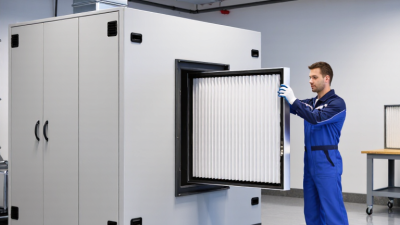
So, what's the lead time for custom Hepa Filter orders? It's a big deal when a cleanroom, hospital, lab, or production line can't afford any surprise delays. And honestly, a custom Hepa Filter is almost never something you just pull off the shelf. The timeline can hinge on a lot of things—dimensions, filtration efficiency, frame material, gasket design, airflow resistance, testing requirements. You get the idea. Dr. William C. Hinds, a well-respected aerosol scientist and the author of Aerosol Technology, put it simply: “Filter performance depends on particle size, airflow, and operating conditions.” That same idea spills over into production planning, too. A filter built for a small lab cabinet might move along faster than a huge industrial module that needs special seals and documented testing. Typically, standard custom orders run about four to eight weeks after drawing approval. More complex jobs? They can take ten weeks or more. The clock doesn't always start when the purchase order shows up. A lot of the time, it starts after the technical drawings, materials, and performance targets are locked in. One missing measurement can cause a quiet delay. Sounds minor, right? But a wrong flange depth can bring installation to a full stop. Manufacturers may also need extra time for HEPA leak testing, batch inspection, and packaging. Air freight can cut down transit time, sure—but it can't replace manufacturing time. This is where planning gets messy. Buyers tend to focus on the quoted lead time, while suppliers are watching approval timing. A solid estimate should show both. Before you approve the order, ask for a production schedule, testing date, shipping window, and written assumptions.
Read more »
Emma By:Emma - October 7, 2026
How To Choose The Right HVAC Filter 5 Tips

How To Choose The Right HVAC Filter 5 Tips

Picking out the right HVAC filter for a commercial building isn’t just about chasing the highest MERV rating. There’s a lot more to consider—like how air flows through the system, what the equipment can handle, how many people are in the space, how dusty it gets, and how often you can maintain the filters. Sometimes, a filter that looks super impressive on paper might actually end up blocking airflow, wasting energy, or overworking an older air handler. Dr. Joseph G. Allen from Harvard’s T.H. Chan School of Public Health pointed out something pretty important: “Ventilation isn't a magic fix.” It’s a good reminder that while filtration helps improve indoor air quality, it’s just one piece of the puzzle. You still need to control outdoor air, keep humidity in check, reduce pollution sources, and do regular inspections. All these systems need to work together to really make a difference. So, how do you pick the right HVAC filter for a commercial space? Well, it’s best to start by looking at what’s actually happening in your building. Check the manufacturer’s recommended pressure drop, and review the filter size, fan capacity, and past replacement records. Keep an eye out for signs like darkened filter media, rising static pressure readings, or complaints about stuffy rooms—these small things can point to bigger issues. For environments like healthcare, labs, or areas with high infection control needs, a Commercial HEPA filter might be necessary. But for a normal office with limited fan power, that could be overkill—and that’s easy to miss. You really need to think this stuff through. When comparing filters, look beyond just the marketing buzz. Focus on verified performance data—things like efficiency, proper sealing, and whether you can reliably get replacements. Reputable brands like Camfil often publish solid technical info, but don’t forget to consider your local conditions. Even the perfect specs can fall flat if your staff can’t keep up with timely filter replacements. That practical, day-to-day factor should definitely be part of your decision-making process.
Read more »
Emma By:Emma - October 4, 2026
Dpa Paint Pocket Filter Supplier China For Coating Industry?

Dpa Paint Pocket Filter Supplier China For Coating Industry?

Picking a trustworthy DPA Paint Pocket Filter supplier in China for your coating needs isn’t just about low prices. Honestly, there’s a lot more to consider. Your coating workshop needs stable airflow, good overspray capture, and filters that actually match the existing air-handling gear. A solid supplier should really know how paint booths operate—so it’s not just about making fabric bags, y’know? Paint booth pocket filters are pretty much the go-to in prep areas, spray booths, and finishing lines. But their effectiveness depends on things like pocket length, media setup, frame quality, and how well the airflow runs through. A well-designed filter plays a big role in protecting your fans, ducts, and the surfaces downstream from paint particles. Plus, it can help keep the workspace cleaner and give you more consistent coating results. Small stuff counts—like a loose frame might let paint bypass, and if the pressure drop is too high, that can crank up energy costs and mess with your booth’s performance. Savvy buyers should ask for all the technical details—think about sample sizes, pressure-drop info, and anything else relevant—before hitting the buy button. Confirm the filtration grade, stitching quality, sealing methods, and how easy they say it is to replace filters. For example, DPA Filter Solutions should be able to back up their claims with clear specs and good support. You also want to see traceable production records, thorough inspection reports, and honest info about how long the filters will last—that’s how you know they’re reliable. Of course, no filter is perfect. Real-world conditions—like paint viscosity, how busy your booth is, humidity levels, and maintenance routines—can all affect how things turn out. Going for the cheapest option might seem smart at first, but hidden costs down the line for replacements can add up. So, it’s worth doing some careful testing and vetting. This article is all about how to choose a pocket filter supplier from China for coating jobs, paying attention to performance, compatibility, durability, and making smart, responsible buying decisions.
Read more »
Emma By:Emma - October 2, 2026
How To Choose HVAC Filters For Hospitals And Healthcare?

How To Choose HVAC Filters For Hospitals And Healthcare?

So, you're wondering how to choose the right HVAC filters for hospitals and healthcare facilities? Honestly, it’s not just about looking at a MERV number or flipping through a supplier’s brochure. I mean, hospital air systems support all sorts of spaces—operating rooms, isolation rooms, labs, pharmacies, patient wards—and each of these areas comes with its own set of risks. A filter that’s perfect for a general corridor might not cut it in an operating room. Plus, the wrong filter could cause higher pressure drops, use more energy, or crank up maintenance requirements. Did you know the CDC reports that on any given day, about one in 31 hospital patients will get at least one healthcare-associated infection? That doesn’t mean filters alone are the magic solution, but it sure highlights why indoor air quality really matters. The ASHRAE Standard 170 lays out ventilation guidelines for various clinical spaces, but it’s a good idea to review these alongside infection control policies, equipment choices, and the specifics of your local condition. If you’re thinking about HEPA filters, they’re great at catching tiny particles—when installed, sealed, tested, and replaced properly. You can check out some options here: Hvac Hepa Filters. Harvard’s Joseph G. Allen once said, “Buildings are a critical part of public health,” and I think he hits the nail on the head. Getting the airflow, filtration, humidity, and maintenance right really makes a difference. But beware—just choosing a high-efficiency filter isn’t always enough. An older fan might struggle with a more demanding filter, or a cheaper filter might not fit properly and let air bypass around it. Healthcare teams should really compare things like particle efficiency, pressure drop, fire safety, how well it fits, ongoing monitoring, and overall costs over the lifespan. Don’t just go by marketing speech—make sure to review your facility’s data, chat with qualified HVAC engineers, and double-check the performance after installation. It’s all about making smart, well-informed choices to keep everyone safe and healthy.
Read more »
Sophia By:Sophia - October 1, 2026
Where To Source Spray Booth Ceiling Filter Rolls From China?

Where To Source Spray Booth Ceiling Filter Rolls From China?

Figuring out where to buy spray booth ceiling filter rolls from China—yeah, that’s a pretty common question for folks trying to balance airflow, paint capture, consistency, and costs landing right. China’s got you covered with all sorts of suppliers: specialist filter-media manufacturers, exporters, trading companies—you name it. And honestly, their products can look pretty similar in photos. But here’s the thing—once you actually install them, the performance can be a whole different story. To keep things transparent and help you make smarter choices, I like to think of an imaginary expert—let’s call him Lin Wei—who reminds us that the key is to compare verified specs and samples, not just go for the cheapest price. This detail really matters. When chatting with suppliers, ask about the roll width, length, thickness, fiber makeup, and recommended airflow. Also, request technical data on pressure drops and how well the media filters—make sure those numbers are actually for the product you’re getting, not just similar ones. For example, fiberglass filter media rolls—[check these out](https://www.ljfairfilter.com/fiberglass-filter-media-rolls)—could be a good option, but remember, the material needs to match your booth’s design and how you plan to use it. Always ask for a sample, so you can spot loose fibers, uneven density, or handling issues early on. Don’t forget to confirm packaging details, batch info, lead times, minimum orders, and what they do if there are defects. It’s also a good idea to review test reports and quality certificates—just make sure they actually reference the product you’re buying, not some similar one. And honestly, a supplier’s website is just a starting point. Always compare clear, written specs, see sample results if possible, and check if they’re quick to respond to your questions. A lot of buyers overlook how often they’ll need to replace these filters or the shipping costs—that’s a mistake, because those things can quickly eat into any savings from a lower unit price. In the end, knowing where to look and what to check makes a huge difference. This guide should help you navigate that process a bit more smoothly.
Read more »
Sophia By:Sophia - September 30, 2026
What Is Fiberglass Paint Stop Filter Roll Used For in 2026?

What Is Fiberglass Paint Stop Filter Roll Used For in 2026?

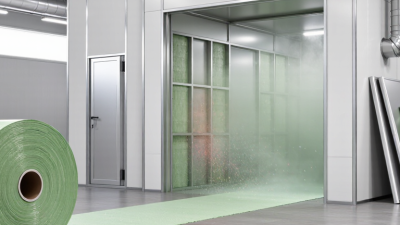
So, you’re wondering what exactly a fiberglass paint stop filter roll is used for, right? Well, even in 2026, that’s still a pretty common question if you’re running a workshop or finishing shop dealing with airborne paint overspray. Basically, a paint stop filter roll is usually cut to fit into an exhaust filter frame or the intake area of a spray booth. As air flows through it, the randomly arranged glass fibers trap the tiny droplets of paint, helping to cut down on buildup in the ducts and ventilation equipment downstream. You’ll mainly see these used in spray-painting setups where overspray tends to escape and needs catching before the air exhausts further into the system. Now, the details really matter here. Sometimes, a filter might look clean but still be loaded with paint—so don’t judge a book by its cover! And if the edges aren’t fitted properly, air can sneak past the filter media altogether. It’s a good idea for operators to keep an eye on pressure readings, airflow, and any visible signs of paint buildup. Also, be sure to follow the manufacturer’s guidelines for replacing the filter. Remember, it’s not just about sticking in a roll—make sure it fits perfectly with your equipment. And a quick heads-up: don’t treat the fiberglass roll as a substitute for proper booth design, good ventilation, or proper personal protective gear. The performance of these filters really depends on paint type, how much spray volume you use, airflow, and how everything’s installed. It’s important to follow the manufacturer’s instructions and your workplace procedures—because overlooking these details is pretty common and can cause problems. This guide’s here to help you understand where fiberglass paint stop media fits into the whole filtration setup, what it’s good for protecting, and some practical tips for keeping everything running smoothly. Plus, it tackles a common question: when should you actually replace a filter? Well, the truth is, it depends on real conditions on the ground, not just the calendar. So, keep an eye on how it performs rather than just timing it.”
Read more »
Oliver By:Oliver - September 29, 2026
How To Calculate Hvac Filter Replacement Cost Per Year?

How To Calculate Hvac Filter Replacement Cost Per Year?

Wondering how to figure out what you'll spend on HVAC filter replacements each year? Well, it all boils down to two things: what you pay for each filter and how often you need to swap them out. Before you set your replacement schedule, make sure to check the filter packaging, your HVAC manual, or the manufacturer’s recommendations—these will give you a good baseline. Keep in mind that factors like a home full of dust, pets, or heavy system use can speed up filter clogging, so don’t just go by the calendar alone. Here’s a simple way to get an estimate: take the price of a single filter and multiply it by how many you’ll use in a year. For example, if one filter costs $12 and you change it every three months, you’re looking at roughly $48 a year. It adds up, right? To get a more realistic number, make sure you're including the right filter size and type, plus any delivery fees or discounts if you buy in bulk. Keep your receipts and note down each replacement date—doing that can actually help you track your real usage over time. And heads up—filter prices can vary quite a bit, so don’t assume that a pricier filter is automatically better for your system. Always double-check the manufacturer’s specs before making a purchase. Remember, this is just for the cost of the filters themselves—labor or other maintenance costs aren’t included. Think of this as a handy starting point. It’s a good idea to review your actual expenses and habits after a year to see if anything’s changed, since things like prices and replacement routines can shift over time.
Read more »
Emma By:Emma - September 28, 2026
Can I Get Custom Size Paint Booth Filters for My Booth?

Can I Get Custom Size Paint Booth Filters for My Booth?

So, you’re wondering if you can get custom-sized paint booth filters for your specific setup? Usually, the answer is yes—though it really depends on a few things like your booth’s filter frame, airflow direction, and the coating process you're using. Sometimes, a filter that looks like it’ll fit might leave a tiny gap, ya know? And that gap can be a problem because air can slip past the media there, carrying overspray right into your exhaust system. Here's my advice: measure carefully. Jot down the inside width, height, and depth of your filter frame. Also, check how the filter is held in place—does it sit flat, fold into a track, or is there a gasket involved? Also, don’t forget that your paint booth exhaust filters need to have media suited for your airflow and the type of spray material you're using. Custom cuts are great, but only if they actually fit your system’s real conditions. Now, you could look at some technical references for guidance. The EPA’s AP-42 chapter on surface coating talks about emissions from coating processes—helpful background, but not a step-by-step sizing guide. NIOSH publications on spray-painting ventilation give you some good principles on exposure control, but they don’t cover every booth’s frame size. So, really, nothing beats taking your own measurements directly from your booth. Pay attention to the little things—like a loose edge can totally mess up a good installation. Not super glamorous, I know. Before hitting ‘order,’ double-check your measurements against what your filter supplier specifies. Make sure you’re clear on the airflow requirements and the media type you need. Honestly, I can’t give you a quote from a specific expert without a solid, verifiable source. Claiming I have some special inside knowledge wouldn’t be fair to you—or very trustworthy either.
Read more »
Emma By:Emma - September 27, 2026
Where To Buy Fiberglass Paint Arrestor Floor Filters China?

Where To Buy Fiberglass Paint Arrestor Floor Filters China?

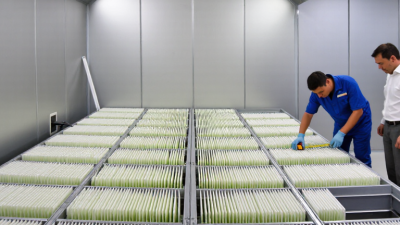
Looking to buy fiberglass Paint Arrestor Floor Filters from China? That's a pretty common question among spray booth operators, equipment distributors, and industrial purchasing teams. The truth is, choosing the right supplier can really make a difference—not just in airflow and overspray control, but also in how long the filters last, how much maintenance they need, and overall operating costs. Now, sure, a cheaper filter might seem tempting at first glance. But watch out — it could load up quickly, shed fibers, or just not fit well inside the floor frame, which can cause its own headaches. Daniel Harper, an industrial filtration expert with over 15 years of experience in booth maintenance, put it nicely when he said, “A Paint Arrestor Floor Filter needs to be judged based on airflow stability, fiber structure, and how reliably it can be replaced — not just the price.” That’s a solid reminder that, in this game, product claims should be backed up by real-world testing. For buyers who want to play it safe, it’s smart to check out things like fiberglass density, thickness, roll size, backing structure, and how much paint the filter can handle. Don’t hesitate to ask for detailed tech data sheets, samples, and even photos of the production process. And, honestly, the best way to know if a sample is good? Test it in a real booth setup. Keep an eye on the pressure gauge and see if the filter sags after a few shifts—little details like that can make a big difference. Chinese manufacturers often offer custom widths, private labeling, and a solid manufacturing capacity. But, still, it's crucial to do your homework. Confirm their experience, quality control practices, packaging, and export documentation. If you’re making a big order, it’s not overkill to get an independent inspection - better safe than sorry. This guide is here to help you understand where to buy fiberglass Paint Arrestor Floor Filters from China—covering how to evaluate suppliers, compare product specs, test samples, and communicate effectively. One thing to keep in mind: some buyers get fixated on unit price and forget about ongoing costs like disposal frequency and labor. That’s a classic mistake that can turn a bargain filter into a pretty pricey one in the long run. A trustworthy supplier will give you clear answers, consistent product batches, and proof for every key claim, so you know you’re getting what you pay for.
Read more »
Sophia By:Sophia - September 23, 2026
Best Automotive Paint Booth Filtration System China Supplier

Best Automotive Paint Booth Filtration System China Supplier

Picking the right filtration system isn't just a matter of saving a few bucks—it actually impacts the quality of your finish, how much energy you use, worker comfort, and how reliable your booth stays. When it comes to automotive manufacturers, the best paint booth filtration system from a trusted China supplier should offer more than just a good price. Things like steady airflow, consistent pressure, reliable filter media, and clear guidance on when and how to replace them are pretty much essential. Daniel Wei, who’s the Technical Director at Guangzhou CleanAir Technology Co., Ltd., puts it simply: “Filtration is a system. The filter alone can't fix a poor airflow design.” His words ring true. You see, automotive spray booth filters need to catch overspray without choking off the airflow too much. A filter that causes too much pressure drop can make your fans work overtime and mess with your spray patterns. On the flip side, a weak filter might let paint particles sneak past into the exhaust or even onto finished panels, which is obviously not what you want. So, pay attention to those little details. A good, reputable supplier in China should be able to tell you about the filter’s efficiency, media structure, what materials the frame is made of, sealing methods, and pressure-drop readings. They should also be able to provide batch traceability and clear test reports. When choosing intake filters, ISO 16890 data can be helpful. But remember, the final stage always needs to be tailored to your specific booth because factors like the type of paint, spray volume, airflow direction, and maintenance routines all come into play. At Guangzhou CleanAir Technology Co., Ltd., they support OEM production lines, repair shops, and custom booth projects with layered filtration solutions. And yes, taking proper site measurements is crucial—and so is having good communication after the sale. Keep in mind: no filter lasts forever. Choosing the right filter involves more than just picking one and forgetting about it. Think about inspection intervals, safe handling practices, inventory planning, and disposal regulations. And it’s worth noting—the biggest mistake often overlooked is installing a high-quality filter incorrectly. That’s why it’s so important to rely on supplier expertise, keep detailed records of how you've used filters, and be honest about the technical performance during the process.
Read more »
Sophia By:Sophia - September 22, 2026
5 Best Air Filter Media Roll Suppliers In China?

5 Best Air Filter Media Roll Suppliers In China?

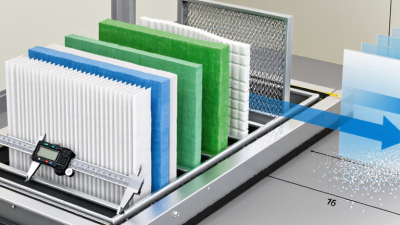
You know, air filtration is quickly becoming a top priority when it comes to procurement — it’s no longer just a detail in maintenance anymore. According to Grand View Research, the global market for HVAC air filters is still on the rise, mainly because everyone’s pushing for better indoor air quality and there’s a lot more commercial construction happening. MarketsandMarkets adds that industrial filtration, energy savings, and pollution control are big drivers of demand. The numbers they cite can vary quite a bit, though — those differences really do matter when you're making decisions. When it comes to making bag filters, the media roll you choose plays a pretty huge role. It impacts how well dust gets captured, the pressure drop, how stable the sewing is, and how long the filter lasts. A good supplier should be able to provide consistent fiber distribution, predictable basis weight, steady roll width, and test results you can trace back. You can actually see these details on the factory floor — uneven rolls can cause wrinkles, weak seams, or air resistance issues. Plus, tiny defects? They might not seem like a big deal at first, but when you’re scaling up production, those little problems can turn into real costly headaches. In this guide, I’ve rounded up five well-known Chinese suppliers for anyone comparing the best air filter media rolls for bag filter production in China. We looked at different material options like polyester, polypropylene, fiberglass, and needle-punched felt. We also considered how customizable their products are, whether they have detailed lab documentation, their export experience, and how responsive they are during production. Of course, it’s always smart to verify product claims through samples and independent tests — no one’s perfect. When evaluating suppliers, pay close attention to parameters like air permeability, tensile strength, filtration efficiency, moisture resistance, and operating temperature data. Keep in mind that EN 779 is no longer the standard; many now follow ISO 16890 for classification, though some industrial bag filters might need additional tests tailored to specific applications. It's really important to confirm which standard applies before placing your order — overlooking even one detail can really change the game. Finally, these suppliers might fit different needs depending on your factory setup, budget, and the kind of dust you're dealing with. The key is not just picking the one with the most attractive catalog but making a decision based on real evidence and performance data.
Read more »
Oliver By:Oliver - September 20, 2026
How to Extend Bag Filter Life in Commercial HVAC?

How to Extend Bag Filter Life in Commercial HVAC?

Commercial HVAC bag filters are like the first line of defense—protecting coils, fans, ducts, and the spaces where people work or relax from airborne particles that can cause trouble. But it’s not just about keeping things clean; the condition of these filters also impacts airflow, comfort levels, and how much it all costs to run. Here’s the kicker: a filter might look totally clean on the outside, yet a dusty layer could be hiding inside, quietly choking the system without showing any obvious signs. That hidden resistance really does add up. So, how long does a typical bag filter last in a commercial HVAC setup? Well, there's no one-size-fits-all answer. Many facilities tend to swap out filters every three to twelve months, but honestly, the real lifespan depends on how many particles are floating around, how much air is flowing, the level of construction or activity nearby, humidity levels, and how many hours the system runs. Places like busy hospitals or shopping centers might need more frequent changes, whereas a small, quiet office building could go longer without swapping. Relying solely on the calendar isn’t the best idea—it’s more of a rough guideline than a rule. Now, standards like those from ASHRAE (think of it as the industry’s gold standard) tell us how to evaluate filtration performance through particle-size efficiency ratings, including MERV ratings. They also recommend keeping an eye on how much dust is building up and how the pressure changes during routine maintenance. The EPA emphasizes the importance of regular filter inspections to maintain good indoor air quality. Basically, it pays to have a measured, thoughtful approach instead of just guessing. Technicians should keep track of things like initial and final pressure drops, airflow rates, installation dates, and any visible dirt buildup. Having a simple log near the air handler can uncover seasonal patterns or trends. Sadly, many maintenance teams skip this step and just replace filters without recording any of the crucial data—that’s a missed opportunity to really understand what's going on. And for specialized filters like commercial HEPA filters, close monitoring is even more critical. Since they’re more efficient, they also tend to create more resistance, which can affect system performance. The goal here is finding that sweet spot—making sure the air is clean, airflow stays steady, fans don’t waste unnecessary energy, and the equipment stays protected. Remember, don’t just assume a filter’s lifespan based on what the supplier says; it’s best to check everything firsthand on site.
Read more »
Oliver By:Oliver - September 19, 2026
Dpa Paint Pocket Filter Supplier China For Coating Industry?

Dpa Paint Pocket Filter Supplier China For Coating Industry?

Choosing a DPA paint pocket filter supplier in China for the coating industry isn’t just about comparing prices—that’s definitely not enough. Coating lines tend to generate fine overspray, pigment dust, and have changing airflow loads, so you really need a filter that can handle all that without making things worse by increasing pressure loss. Usually, Paint Booth Pocket Filters are the go-to choice for spray booths, prep areas, and controlled finishing rooms. The trick is that their performance relies on a few factors: the quality of the filter media, pocket depth, the strength of the frame, and how well everything seals up. Now, when it comes to evaluating DPA filters, you can’t just rely on flashy claims. It’s really about the proof—asking for technical data, media specs, detailed drawings, and batch inspection records. A trustworthy supplier should be able to walk you through their efficiency ratings, initial resistance, recommended airflow, and how often you should replace the filters. And don’t forget to check samples—make sure they fit your existing housing, with no folded edges or loose seals. Because here’s the thing, a filter might look clean after a day or two, but airflow can already be dropping—that’s a detail that really counts. It impacts everything from booth performance and drying times to worker safety. Experience also shows us that small issues can crop up over time. For instance, uneven stitching can shorten a filter’s lifespan, or a weak galvanized frame might bend during installation. Sometimes, if the pocket spacing is off, it can cut down on the usable filter area. No filter is perfect, of course, but the best ones are supported by actual testing, straightforward communication, and consistent manufacturing. It’s smart to compare samples under real coating conditions, then check pressure readings after installation. This way, you’re not just guessing—it helps make the whole process safer and more predictable. Of course, initial specs might not be spot-on. Changes in airflow, paint types, humidity levels, or how you maintain things can all impact performance. A good supplier will understand this and be open to working together to refine the final setup. Ultimately, it’s all about trust, good info, and a little bit of trial and error that leads to reliable, efficient operations.
Read more »
Sophia By:Sophia - September 18, 2026
What Is A Pocket Filter (Bag Filter) And How Does It Work?

What Is A Pocket Filter (Bag Filter) And How Does It Work?

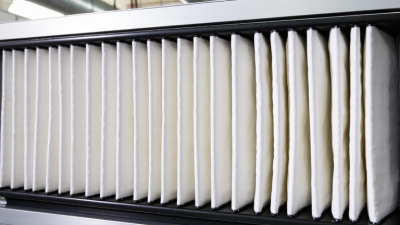
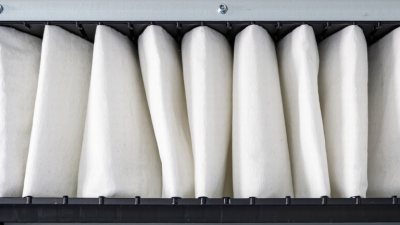
So, you might wonder, what exactly is a pocket filter (sometimes called a bag filter), and how does it actually work? This question's pretty important whether you're dealing with commercial HVAC systems, cleanrooms, offices, hospitals, or production facilities. Basically, a pocket filter is a flexible air filter made up of several deep pockets or bags stitched onto a supporting frame. When air flows through it, dust and tiny particles get trapped inside those fabric pockets, letting cleaner air pass on to the ducts or the space you're trying to keep fresh. It looks pretty simple on the surface, but the details really matter. These filters usually use synthetic materials or fiberglass, depending on how fine the filtration needs to be. The design with those deep pockets gives it a bigger surface area than a flat panel filter, which means it’s better at letting air through while catching more dust. In real life, a technician checks things like the seal around the frame, the direction of airflow, the condition of the pockets, and the pressure drops across the filter. If the seal isn’t tight, dirty air can sneak past the media, which isn’t great — even a tiny gap can reduce the whole system’s efficiency. The principle behind how they work is pretty straightforward, but in practice, things get a bit messier. Over time, as dust builds up, resistance increases, and the system might need more energy to keep things running smoothly. Instead of just eyeballing the filter, most pros rely on pressure measurements to decide when it’s time to replace, since appearance can be deceiving. Keep in mind that the filter’s performance depends on the quality of the media, how correctly it’s installed, the capacity of the fan, and the environment around it. No single filter is perfect for every building, and that’s something people often overlook. Picking the right one isn’t just about trapping particles — it’s about balancing airflow, lifespan, operating costs, and filtration needs. And, even when the filter looks clean, regular inspections are still a good idea to keep things running smoothly.
Read more »
Oliver By:Oliver - September 16, 2026