
Leave Your Message
Explore our top-performing intake barriers, diffusion rolls, and multi-layer capture media engineered specifically for high-volume powder coating enclosures and dynamic air recovery systems.
In contemporary electrostatic powder coating operations, filtration is not merely an auxiliary environmental control measure; it is the fundamental heart of process stability, aerodynamic containment, finish quality, and raw material efficiency. During electrostatic application, thermoset and thermoplastic powder particles—typically ranging in diameter from 10 to 50 micrometers—are propelled toward grounded conductive substrates. However, even with state-of-the-art automatic corona and tribo-charging guns, first-pass transfer efficiency rarely surpasses 60% to 75%. This inevitable aerodynamic bypass leaves an immense volume of airborne overspray suspended within the booth enclosure.
Managing this persistent cloud requires a meticulously calibrated powder coating booth filtration system. The air filtration array must execute three critical functions simultaneously: first, it must supply laminar, dust-free intake air across the ceiling plenum to eliminate seed defects and orange peel texture; second, it must maintain a consistent negative enclosure pressure (face velocity typically between 0.4 to 0.6 m/s) to prevent combustible powder dust from escaping into ambient shop floors; and third, it must capture ultra-fine particulates for non-destructive pneumatic recovery or safe terminal containment without excessive pressure drop.
Maintains non-turbulent downdraft velocities that shepherd atomized powder directly into collection hoppers without cloud turbulence or edge swirling.
Nanofiber and thermally bonded spunbond substrates capture microscopic fractions down to 0.3 microns, protecting downstream blowers and HEPA final banks.
Antistatic aluminized surfaces and carbon conductive filament lines dissipate static accumulation, eliminating deflagration ignition risks.
Historically, standard powder spray booths relied on standard blended cellulose filter media. While cellulose provides adequate initial surface area at a low upfront purchase cost, its organic fibrous matrix tends to embed microfine powder deeply within the substrate depth. During automated reverse-pulse compressed air cleaning, embedded particles fail to release, resulting in rapid depth-blinding, steep increases in static differential pressure (ΔP), and elevated fan motor electrical draw.
Modern industrial powder coating lines have almost universally transitioned to high-performance synthetic media, led by 100% continuous filament spunbond polyester, hydro-entangled micro-denier fabrics, and electrospun nanofiber web laminates. Thermally bonded spunbond polyester exhibits outstanding mechanical rigidity, dimensional stability under high pulsating pneumatic loads (typically 4.5 to 6.5 bar pulse pressure), and exceptional chemical resistance. When laminated with a microporous expanded PTFE (Polytetrafluoroethylene) membrane or electrospun nanofiber outer layer, filtration changes from depth-loading to purely surface-loading.
In true surface-loading filtration, the oversprayed polymer particles form an impermeable, uniform dust cake on the microscopic outer layer. When the differential pressure sensor triggers a reverse air pulse, the shockwave expands the pleated cartridge, instantly shattering the surface cake. The reclaimed powder drops cleanly into the collector hopper below, preserving a pristine baseline differential pressure and extending continuous element service life beyond 8,000 operating hours.
The global powder coating sector is currently navigating a profound structural shift driven by industry-wide sustainability mandates (zero VOC emissions), rising virgin powder raw material costs, and lean manufacturing demands for rapid color switching. In automated continuous conveyorized lines, finishing shops no longer have hours to perform manual washdowns between color runs. This operational paradigm has catalyzed revolutionary breakthroughs in powder coating filtration design.
| Filter Category / Stage | Substrate Material | Standard Efficiency Rating | Primary Engineering Role | Typical Lifespan |
|---|---|---|---|---|
| Primary Intake Pre-Filters | Progressive Density Synthetic Fibers | G3 / G4 (EN779) / MERV 7-8 | Interception of coarse ambient debris, pollen, and airborne shop dust | 3 – 6 Months |
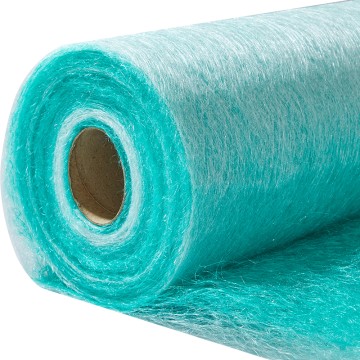
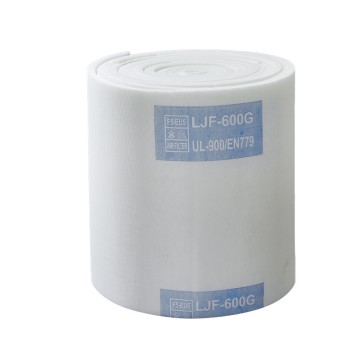
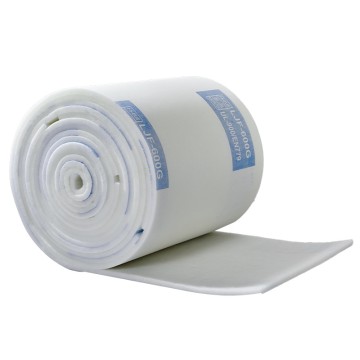
| Ceiling Diffusion Media | Thermally Bonded Polyester + Tackifier | F5 / 600G (EN779) / MERV 10 | Laminar airflow smoothing, suppression of eddy currents, micro-particle retention | 6 – 12 Months |
| Recovery Cartridge Filters | Spunbond Polyester / PTFE Nanofiber | F9 / H10 (EN1822) / MERV 16 | Primary overspray capture, continuous pulse-jet release, material recovery | 12 – 24 Months |
| Secondary Exhaust / HEPA | Micro-glass Fiber Pleated Packs | H13 – H14 (99.95% - 99.995%) | Secondary safety backup; clean air recirculation directly into workplace | 18 – 36 Months |
1. Automotive Exterior & Lightweight Alloy Wheels: In high-throughput automotive wheel production lines, powder coatings provide critical chip-resistant, corrosion-proof barrier coats. Even a single 20-micron airborne contaminant entering through ceiling plenum air can cause a micro-crater or blister, resulting in immediate rejection during automated optical inspection. Multi-stage filtration combining synthetic pre-filtration with 600G tacky ceiling media ensures Class 10,000 cleanroom-grade downdraft purity.
2. Architectural Aluminum Extrusions & Façade Panels: Architectural finishers working under stringent Qualicoat Class 2/3 or AAMA 2605 certifications require hyper-durable fluoropolymer powder formulations. Because these specialized powders command premium material prices, reclaiming and re-blending overspray without cross-color contamination is essential. Advanced cyclone separation paired with quick-release antistatic recovery cartridges allows rapid booth purging and near-zero material waste.
3. Major Home Appliances (White Goods): Refrigerator cabinets, washing machine drums, and oven wrappers require immaculate visual smoothness without orange peel texture. High-density ceiling filtration media with full-depth adhesive bonding ensures total stabilization of air velocities, suppressing turbulence that can deflect electrostatic deposition paths.
4. Heavy Machinery, Agricultural & Mining Equipment: Industrial chassis and structural steel components demand thick, high-build powder applications under high-velocity ventilation. Heavy overspray loads require rigid, wide-pleat cartridge filters with synthetic inner and outer cores that resist deformation under extreme continuous differential pressure.
Guangzhou LJF is a trusted air filter supplier with over 10 years of industry experience. We pride ourselves on offering competitive pricing while maintaining high product quality, which can help you minimize maintenance costs. Our custom filters are specifically designed to meet the unique air filtration needs of a wide range of industrial and commercial applications. No matter how complex your system, our team of experts is committed to providing a tailored solution to ensure optimal performance and air quality.
Our premium air filter products are crafted to enhance indoor air quality, lower maintenance expenses, and optimize the efficiency of HVAC systems. We are committed to delivering top-notch products that effectively tackle our clients' filtration needs.
One of our primary strengths is our competitive pricing, which we offer to our customers. We recognize the significance of delivering high-quality air filters at reasonable prices, and we work diligently to keep our pricing competitive without compromising product quality. This approach enables our customers to lower their maintenance expenses.
As a trusted air filter supplier with more than 10 years of industry filtration experience, we can provide custom filters to meet the specific air filtration needs of a variety of industrial and commercial applications. No matter how complex your system, our team of experts is committed to providing the best solution to meet your requirements.


At Guangzhou LJF, we recognize that each customer has unique needs. We provide customized solutions to meet specific needs, whether it is a specific size, material or filtration efficiency. Our team of experts works closely with you to develop products that perfectly meet the needs of your operation.


Guangzhou LJF is a fast-growing manufacturer of air filtration solutions located in Guangzhou, southern China, only 10 kilometers from Guangzhou Baiyun Airport. Our strategic location enables us to efficiently serve domestic and international customers. We pride ourselves on providing a comprehensive range of air filtration products that meet the diverse needs of a wide range of industries, including electronics manufacturing, semiconductor production, liquid crystal display (LCD) technology, bio-pharmaceuticals, food processing, petrochemicals, clean rooms, hospitals, rail transit systems, paint booths, and commercial and residential buildings.
Browse our full series of intake media, tackified ceiling filters, corrugated baffle paper, and heavy-duty replacement rolls engineered for exceptional reliability in demanding finishing environments.



To extract maximum economic value from powder coating booth filters while upholding rigorous quality standards, finishing managers must implement disciplined operating protocols. The life expectancy and energy consumption of a filtration system depend heavily on pneumatic cleaning calibration, ambient relative humidity control, and differential pressure tracking.
1. Compressed Air Quality & Pulse-Jet Calibration: Reverse pulse-jet cleaning systems require clean, dry, oil-free compressed air certified to ISO 8573-1 Class 1.4.1. Moisture or compressor oil in the pulsing stream will instantly agglomerate thermoset powders directly on the filter face, creating un-cleanable crusts that permanently blind the media. The pulse pressure should be calibrated between 5.0 and 6.2 bar, with a valve duration of 100 to 150 milliseconds.
2. Smart On-Demand Pulse Cleaning: Running continuous timer-based pulsing rapidly degrades media fibers, accelerates dust penetration, and wastes substantial pneumatic power. Integrating automated differential pressure sensors that trigger pulse cleaning only when ΔP reaches 600 to 800 Pa allows a protective dust cake to build naturally, achieving peak filtration efficiency (99.99%) while extending cartridge service life by over 40%.
3. Climate & Humidity Control: Thermosetting powder coatings (epoxy, polyester, hybrid) exhibit hygroscopic characteristics. If booth ambient relative humidity exceeds 60%, electrostatic charging efficiency plummets and powder particles agglomerate into heavy, damp clusters. Installing temperature and humidity stabilization in intake makeup air units safeguards both powder fluidity and filter permeability.