

Spray Booth Air Filter with polyester filter material
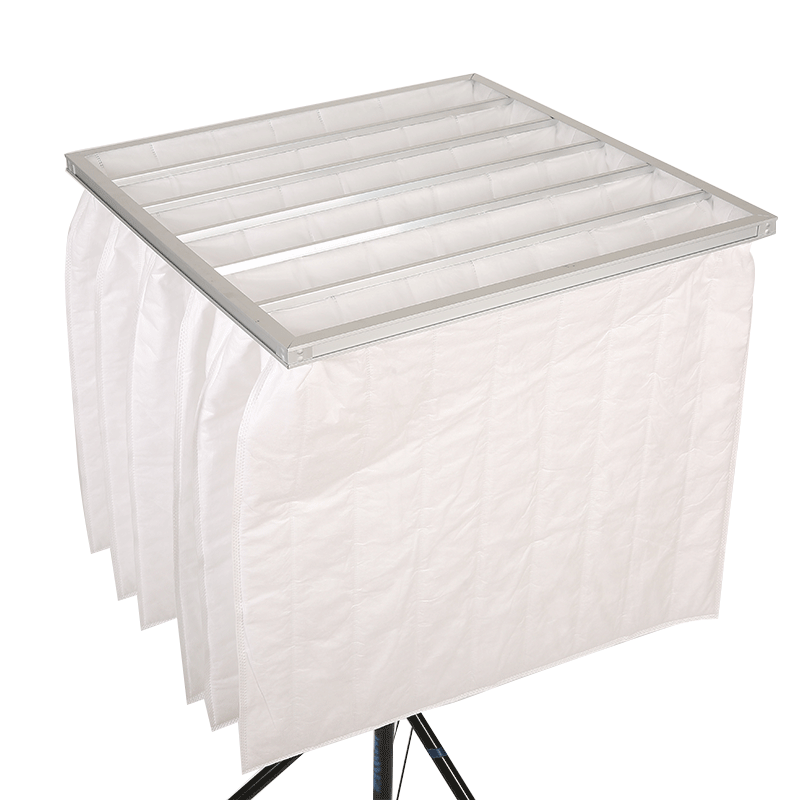
Polyester filter material has grown in popularity for spray booth air filtration, especially in workshops that run frequent painting cycles and face diverse contaminant loads. Its inherent material properties make it a strong fit for environments where durability, moisture resistance, and consistent performance under variable operating conditions are top priorities. Many automotive painting teams now turn to this type of filter media to handle the unique challenges of their daily finishing workflows.
Core Material Characteristics of Polyester Filter Media
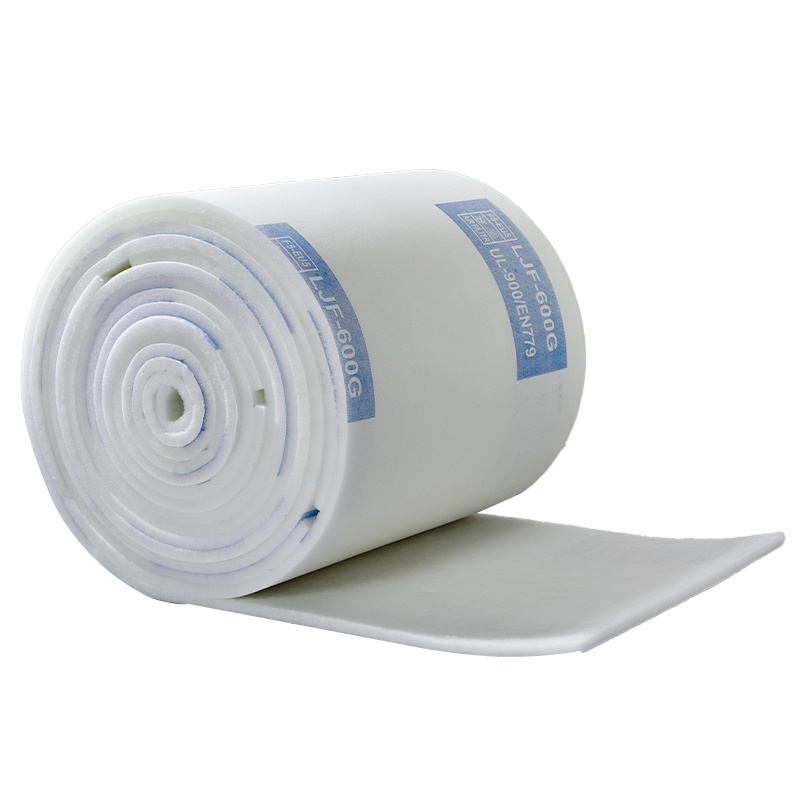
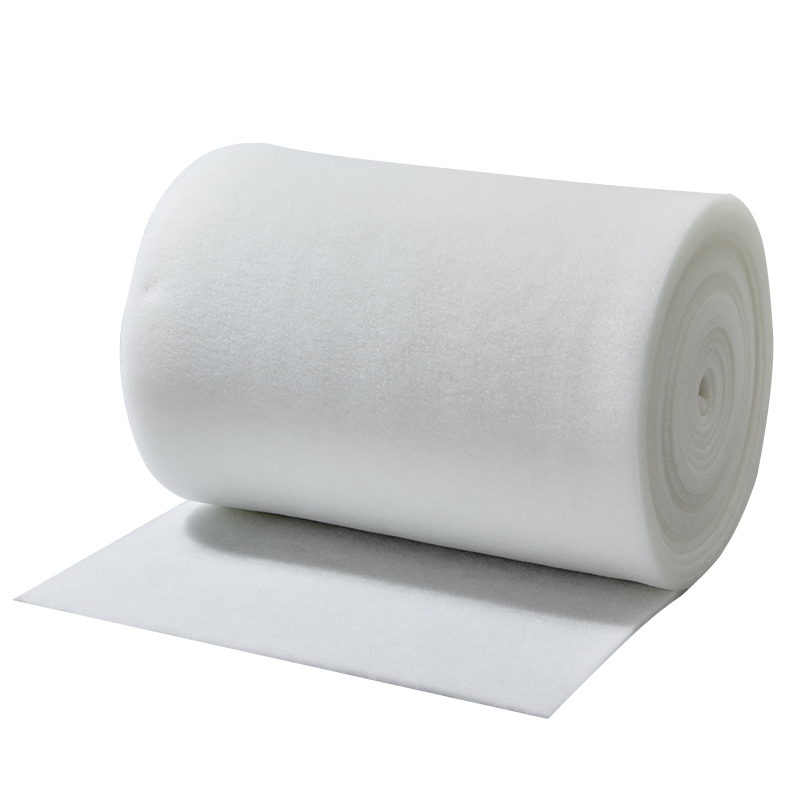
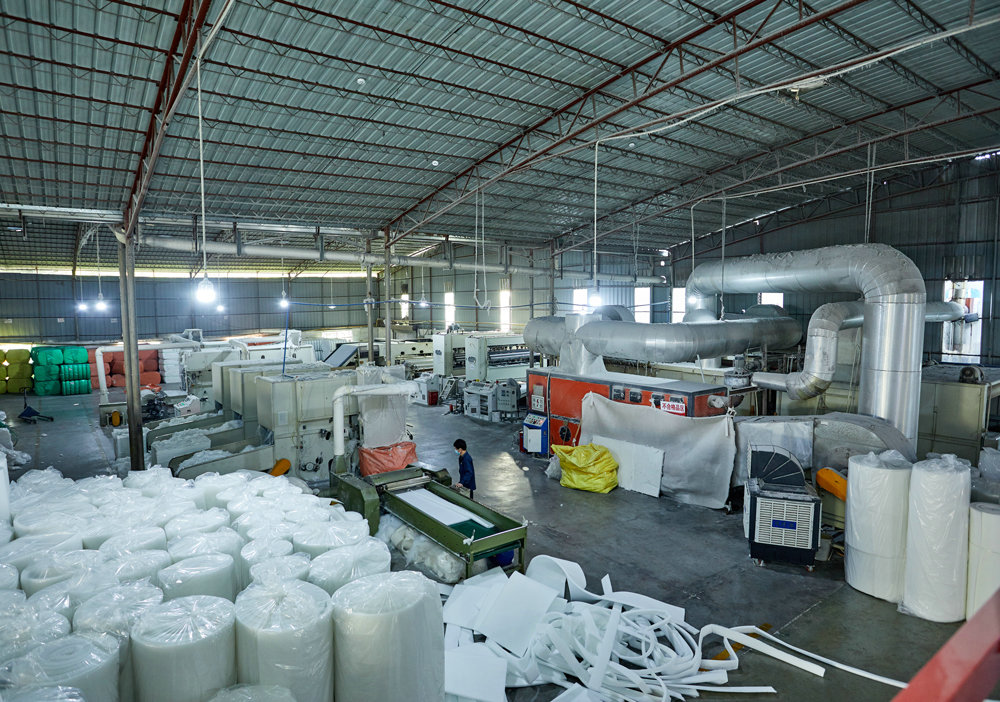
This type of filter media is manufactured from synthetic polyester fibers arranged in a uniform, non-woven structure that can be engineered to different thicknesses and density grades. The fibers offer strong resistance to moisture, many common solvents found in automotive paints, and minor chemical exposure that can degrade other filter materials over time. The material can also be treated to carry electrostatic properties, which enhance its ability to capture ultra-fine airborne particles that might otherwise pass through standard mechanical filter layers. Its rigid, self-supporting fiber structure maintains its shape even when fully loaded with overspray, preventing sagging or collapse that could create gaps in the filtration path.
Key Operational Benefits for Spray Booth Use
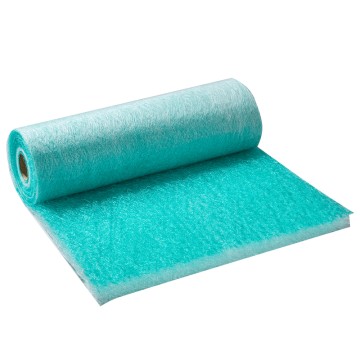
Polyester filter media brings distinct advantages that align with the practical needs of busy spray booth operations. Its robust fiber structure resists tearing and abrasion during routine handling, installation, and removal, reducing the risk of accidental fiber release that could contaminate fresh paint surfaces. The material’s consistent particle capture efficiency stays stable even when exposed to variable airflow velocities, making it suitable for booths that adjust fan speeds for different painting and curing modes. It also holds up well in environments with higher humidity levels, where some other filter media types can absorb moisture, swell, and create unexpected spikes in airflow resistance. These traits help painting teams maintain steady, predictable filtration performance across long production runs.
Effective Usage and Maintenance Guidelines
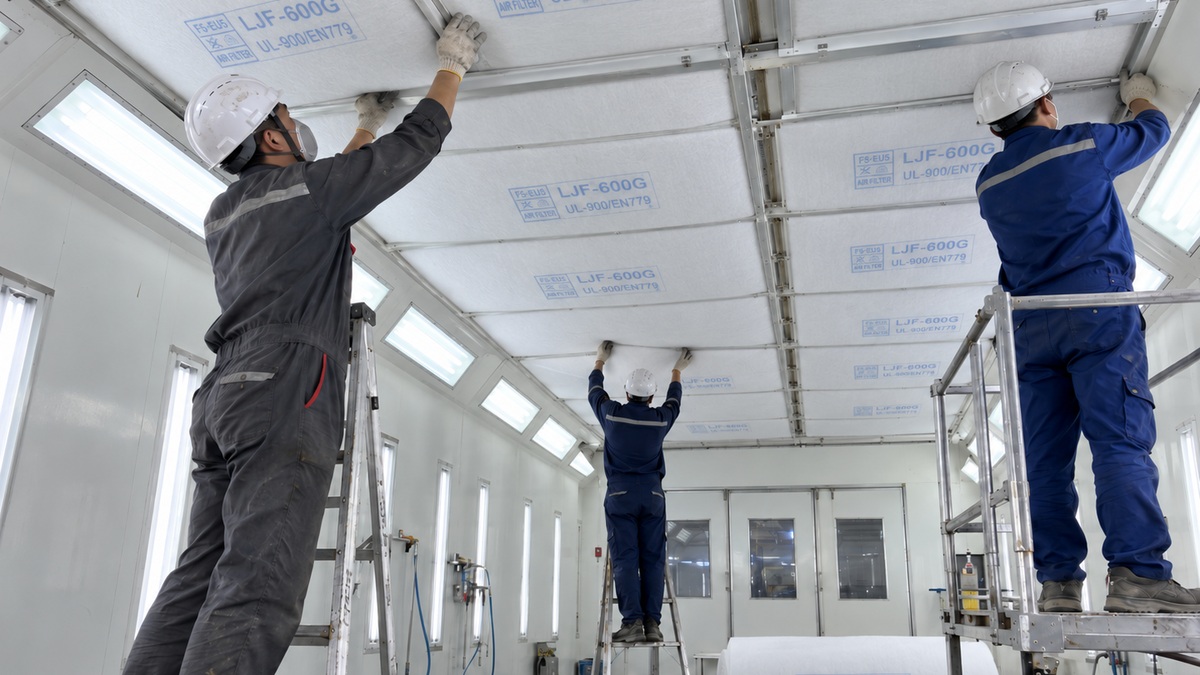
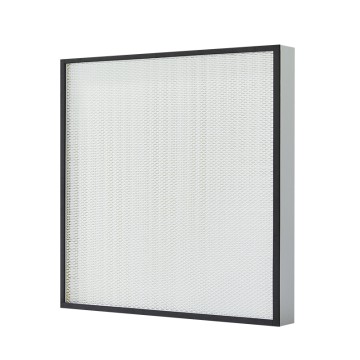
Getting the best performance out of polyester spray booth filter media relies on simple, repeatable practices that fit naturally into existing workshop routines. Always inspect the media surface for visible damage or tears right before installation, to make sure no pre-existing defects compromise the filtration seal. Align the media properly within its holding frame, and confirm that all four edges sit fully against the gasket to eliminate any bypass points where unfiltered air could enter the booth workspace. Track filter loading patterns alongside your painting volume records, so you can identify the typical service life under your specific workshop conditions instead of following generic replacement timelines. Avoid exposing the media to sharp tools or heavy physical pressure during handling, as deep creases or compressed fiber sections can create uneven airflow distribution across the filter face.
When deployed correctly, polyester filter media supports a cleaner, more reliable spray booth environment that reduces paint defects and minimizes unplanned workflow interruptions. Its combination of chemical resistance, structural durability, and consistent particle capture makes it a practical choice for automotive painting operations that demand long-lasting, dependable filtration performance every single shift.