


Spray Booth Air Filter replacement frequency guidelines
Spray Booth Air Filter Replacement Frequency Guidelines
Core Factors That Shape Filter Replacement Timing
No single universal timeline applies to all spray booth operations, as replacement frequency depends heavily on daily operating hours, overspray volume, and the type of coating materials used in the space. Facilities running high-volume industrial painting shifts will see Filter Media load with paint particles far faster than low-volume shops that only run a few painting cycles each week. The type of coating being applied also plays a critical role: high-solid paints and heavy primer materials deposit far more solid particulate onto filter surfaces than thin, low-viscosity clear coats. Even the ambient air quality in the facility’s surrounding area adds to dust loading, as fine outdoor particles pulled into the intake system accumulate on the filter media over time.
Pressure Drop Tracking as the Primary Reference Metric
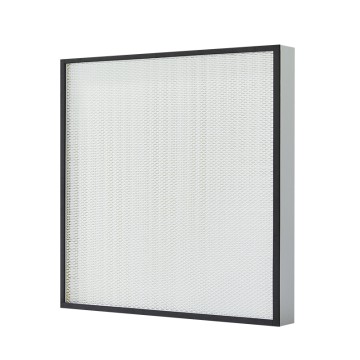
Monitoring real-time pressure drop across the filter layer remains the most reliable, data-driven method to set accurate replacement intervals, rather than relying on arbitrary calendar-based schedules. As captured overspray and dust build up on the filter, resistance to airflow rises steadily, and this change shows up clearly on the manometer readings installed across the filter bank. When the measured pressure difference rises to the upper threshold defined in the booth’s original ventilation design, performance begins to degrade enough to disrupt consistent airflow patterns in the painting zone. Many maintenance teams log pressure drop readings at the same time each work shift, creating a clear historical trend that reveals exactly when the filter will reach the end of its effective service life.
Visual Inspection and Operational Observation Supplementary Checks
Regular hands-on visual inspections add an extra layer of confirmation to pressure drop data, catching unexpected loading patterns that pure numerical tracking might miss. Technicians check the downstream side of the filter for any signs of particle breakthrough, which happens when overspray works its way fully through the media and begins to contaminate the clean air side. They also watch for subtle operational changes in the booth itself, such as slower overspray clearing time, uneven airflow across the working surface, or unexpected dust specks landing on fresh wet paint. When any of these observable signs appear, they act as an early warning that the filter has reached the end of its reliable performance window, even if pressure drop readings have not yet hit the pre-set maximum threshold.