

Spray Booth Air Filter maintenance for heavy-duty workshop
Heavy-duty industrial workshops place extreme, continuous strain on Spray Booth Air Filter systems, as large volumes of airborne debris, overspray particles, and fine industrial dust get pulled through the filtration loops every single operating shift. Without a structured, consistent maintenance routine, clogged or degraded filters can quickly compromise air quality, disrupt finish quality, create unnecessary energy waste, and even lead to non-compliance with local environmental emission standards. A well-executed maintenance framework tailored to high-output workshop conditions keeps the entire spray booth system running reliably even under the most demanding production schedules.
Pre-Filter and Primary Barrier Regular Inspection
The first stage of the filtration system bears the brunt of large, heavy debris that gets pulled into the booth airflow, including metal shavings, dried paint flakes, rubber fragments, and general workshop dirt that gets stirred up during equipment movement and part preparation. These components should be checked at the start of every work shift, with visible debris brushed or vacuumed away from the intake surface before production begins. In high-volume workshops with frequent heavy part processing, these filters often need attention on a weekly schedule, though their service interval can be extended if routine inspections show no significant buildup or discoloration that restricts airflow. Any pre-filter that shows signs of physical tearing, surface caking, or uneven particle loading should be addressed immediately, as a compromised primary barrier will send excess debris deeper into the downstream filtration stages and drastically shorten their usable life.
Deep Layer Filtration Performance Tracking
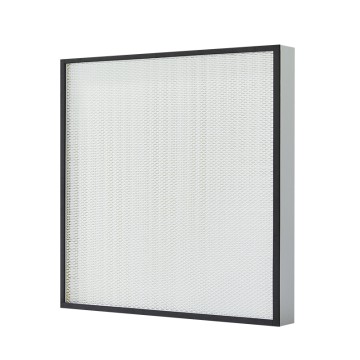
The middle and high-efficiency final filtration layers handle the fine, microscopic overspray particles that make it past the initial barriers, and their condition cannot be reliably assessed through simple visual checks. The most effective way to monitor their status is through consistent differential pressure logging across the filter bank, taken at the same time each day under matched booth airflow operating conditions. A steady, gradual rise in measured pressure differential signals normal particle loading as the filter captures contaminants over time, while an unexpected sudden pressure drop can indicate a tear, bypass leak, or improper seal that allows unfiltered air to move through the system. This data should be logged in a shared workshop record, so maintenance teams can spot long-term performance trends, adjust service intervals based on actual workshop usage, and avoid unnecessary premature servicing that wastes labor and resources.
Seal Integrity and System Airflow Validation
Even perfectly maintained Filter Media cannot perform as intended if gaps, leaks, or degraded seals exist around the filter housing edges, access panel gaskets, or ductwork connection points. Every time a filter is accessed for inspection or replacement, technicians should inspect all surrounding sealing surfaces for signs of cracking, paint buildup, or compressed deformation that could break the airtight seal. After any filter service work is completed, a full system airflow test should be run to confirm that air distribution across the entire booth face remains uniform, with no unexpected low-flow zones that indicate unaddressed bypass leakage. This step also verifies that the booth’s fan system is not operating under unnecessary strain from unexpected airflow restrictions, which prevents premature motor wear and keeps energy consumption aligned with the system’s original design specifications.
Workshops that embed these structured maintenance practices into their daily operational workflows see far fewer unexpected booth shutdowns, more consistent paint finish quality, and far fewer issues with environmental compliance audits. The routine turns filter care from a reactive, last-minute chore into a core part of the spray booth’s overall process architecture that supports long-term, reliable production.