

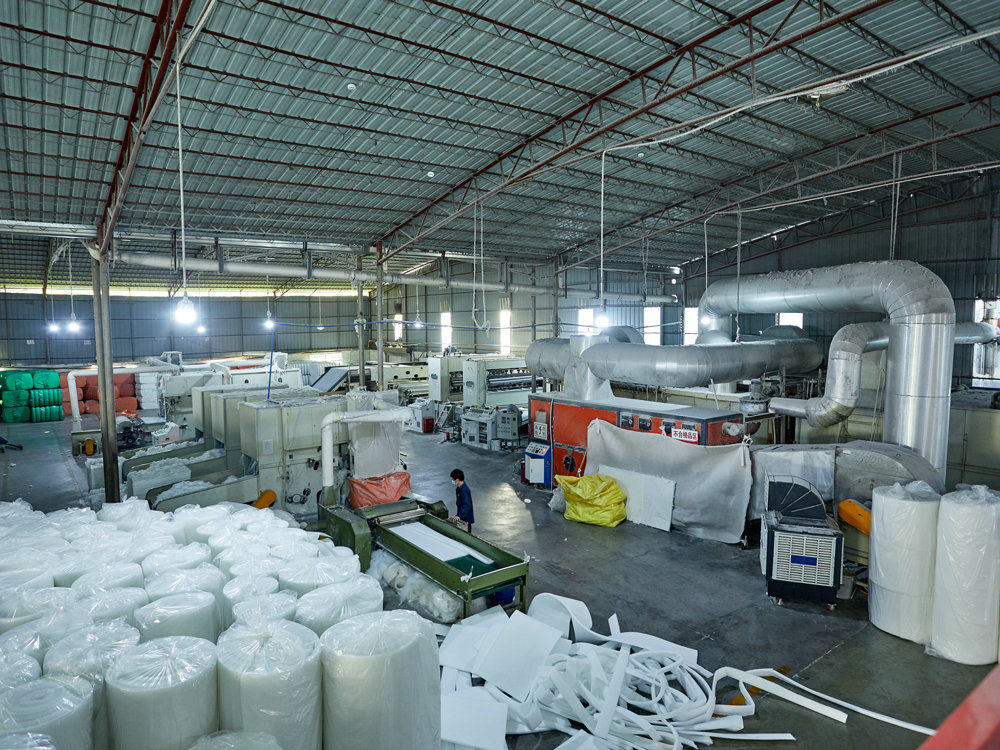
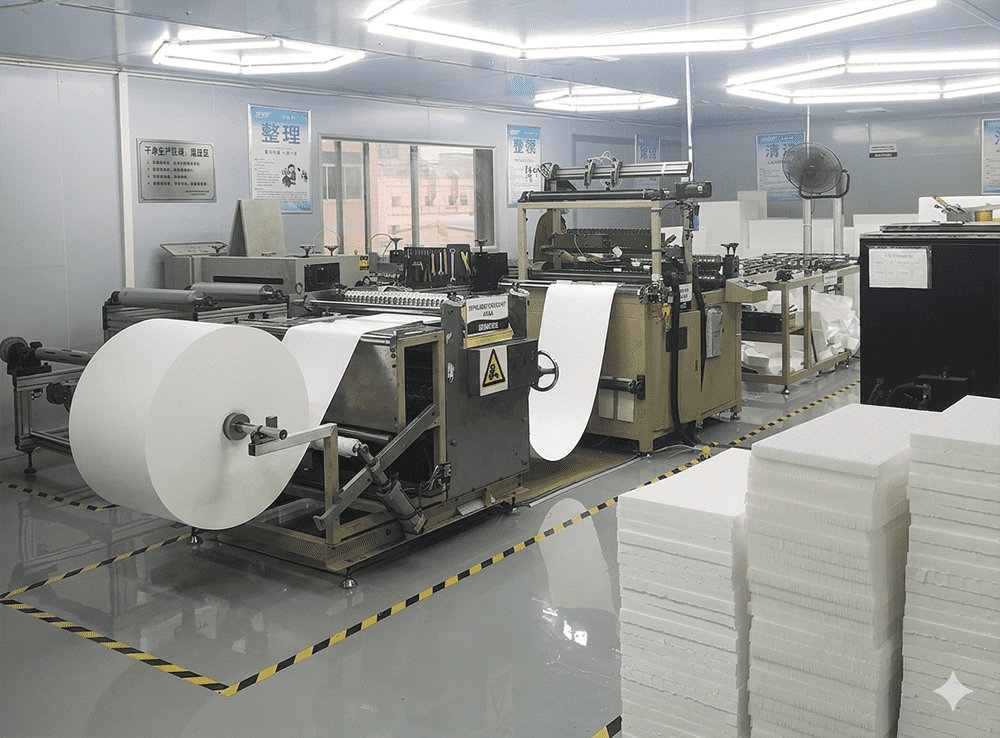
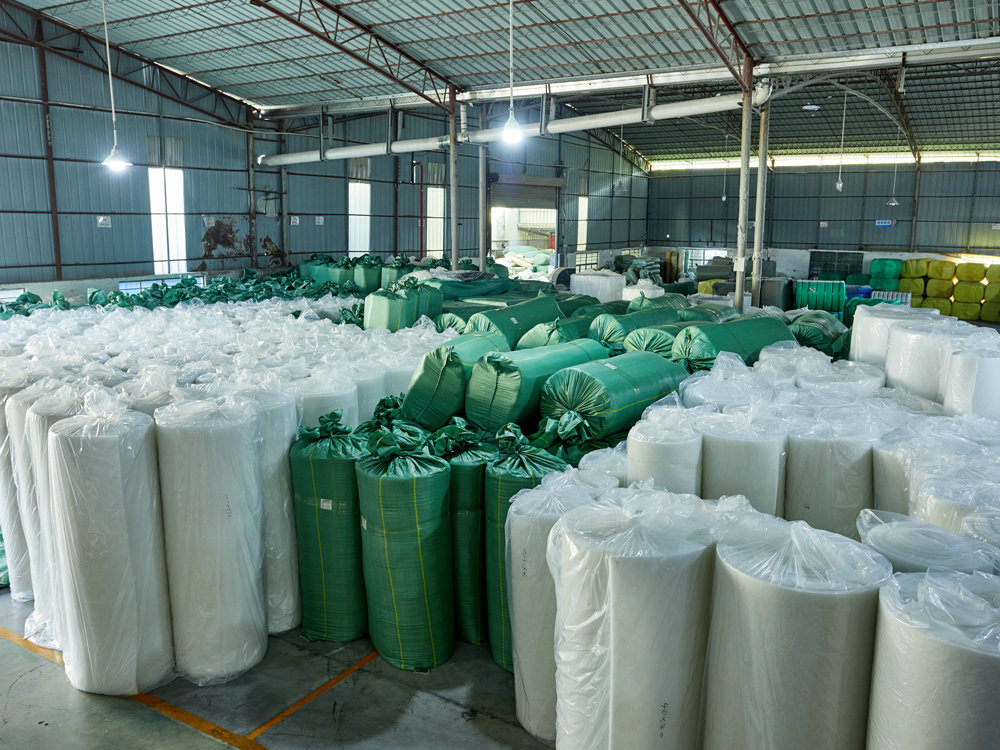
Spray Booth Air Filter made of fiberglass media
Fiberglass Media has become one of the most widely used materials for spray booth air filtration, especially in environments focused on high-quality automotive painting results. Its unique structural properties make it well suited for capturing overspray and fine particles that would otherwise compromise finish quality, while adapting to the continuous airflow demands of busy workshop operations. Many teams that work with high-volume painting schedules rely on this type of filter media to maintain consistent performance across long daily shifts.
Structural Properties of Fiberglass Filter Media
This type of media is constructed from layered, randomly oriented glass fibers that gradually increase in density from the air intake side to the exhaust side. This progressive density design allows larger overspray particles to be captured near the surface, while finer microscopic particles are trapped deeper within the fiber matrix. The open, three-dimensional structure prevents particles from building up only on the outermost layer, which helps maintain more stable airflow resistance over a longer service period. Unlike more rigid filter materials, the fibrous structure creates a large total surface area for particle capture without creating unnecessary backpressure that would disrupt the spray booth’s carefully balanced airflow patterns.
Performance Advantages for Spray Booth Operations
Fiberglass filter media delivers specific benefits that align closely with the needs of automotive painting workflows. Its high dust holding capacity means it can accumulate large volumes of wet and dry overspray before airflow becomes restricted, reducing the frequency of filter changes during periods of heavy production. The material also exhibits good temperature resistance, making it suitable for use in spray booths that operate with heated air systems during the flash-off and curing stages. It does not easily shed loose fibers into the moving airstream, which lowers the risk of tiny foreign particles landing on fresh wet paint surfaces and creating visible defects that require rework. These characteristics combine to support more consistent, uninterrupted painting cycles that help teams stay on schedule.
Proper Handling and Installation Best Practices
Working with fiberglass spray booth filter media effectively depends on following simple, practical steps that preserve its designed performance. Always support the full length and width of the media during installation to avoid creating folds or gaps that would allow unfiltered air to bypass the fiber layers completely. Make sure all edges sit flush against the filter holding frame, with no open spaces around the perimeter that could let unfiltered particles slip through into the booth workspace. Avoid applying unnecessary pressure or squeezing the media during placement, as compressing the layered fiber structure can create uneven airflow paths that reduce overall capture efficiency. After installation, run the booth’s ventilation system for a short period before starting any painting work to clear any loose, stray fibers from the airstream.
When maintained and installed correctly, fiberglass filter media supports steady spray booth performance that aligns with the strict cleanliness requirements of modern automotive painting. Its predictable loading behavior, stable airflow characteristics, and reliable particle capture make it a practical choice for workshops looking to minimize finish defects and keep their painting processes running smoothly day after day.