


Spray Booth Air Filter low initial pressure drop
Spray Booth Air Filter Low Initial Pressure Drop
Core Mechanism Behind Low Initial Pressure Drop Performance
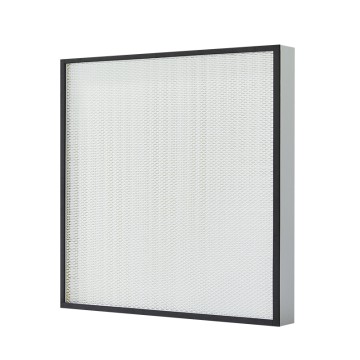
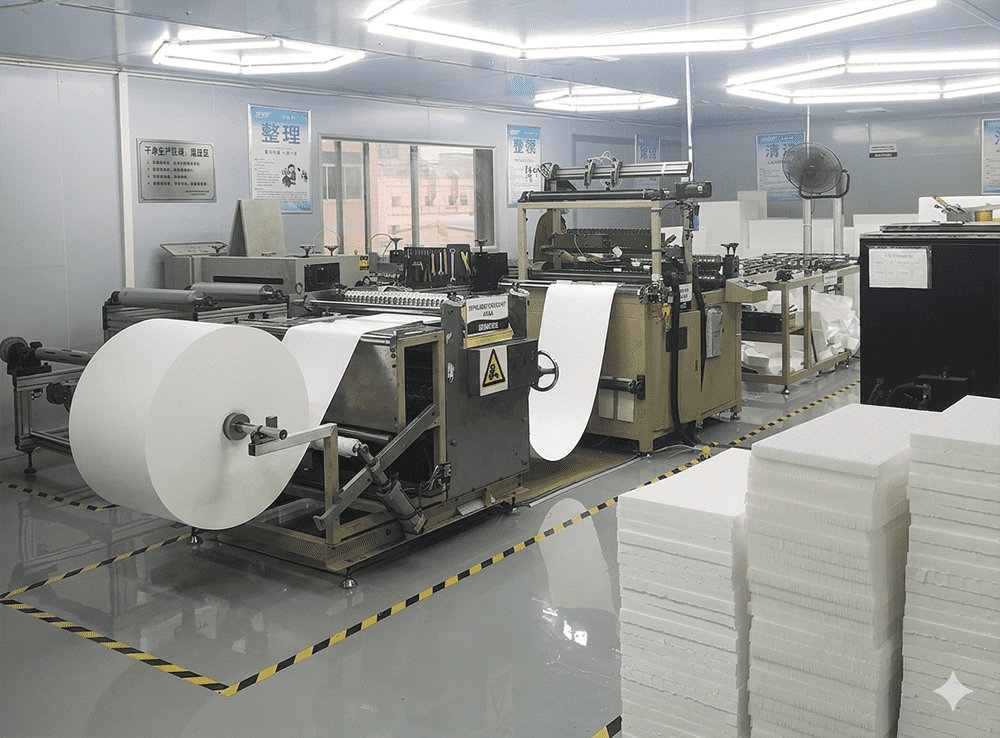
Low initial pressure drop describes the minimal resistance a brand new filter presents to incoming airflow when the spray booth system first starts running. This characteristic comes from the optimized structural layout of the Filter Media, which creates open, evenly distributed air passages that do not block airflow unnecessarily. When initial resistance stays at a low level, the air supply fan does not need to consume excess energy to push air through the filter layer, allowing the entire ventilation system to operate at a steady, efficient pace from the very first moment of use. This also helps maintain consistent airflow velocity across the booth working zone, avoiding unexpected drops in air movement that could disrupt overspray capture during early operation.
Operational Benefits for Daily Spray Booth Workflows
Filters with low initial pressure drop deliver noticeable improvements to regular painting operations from the first day of installation. The stable, unobstructed airflow prevents sudden shifts in air pattern that could cause paint mist to swirl around freshly coated parts, reducing the risk of uneven finishes and surface dust contamination. Operators can maintain the designed piston airflow pattern across the full booth space without frequent adjustments to fan speed, even when the system runs for extended continuous shifts. This consistent performance also reduces unnecessary strain on the entire air handling system, extending the stable operating window between routine maintenance checks.
Long-Term Performance Consistency and Pressure Drop Evolution
A well-designed low initial pressure drop filter does not lose its performance advantage as dust and overspray particles load onto the media over time. The gradual, even buildup of captured particles across the full filter layer creates a slow, predictable rise in pressure drop, rather than a sharp spike that forces early replacement. This extended, gentle loading curve lets maintenance teams plan filter replacement on a predictable schedule, instead of reacting to unexpected airflow failures mid-production. Even after long hours of continuous operation, the system still maintains enough airflow volume to keep the spray booth environment clean and compliant with required air quality standards.