

Spray Booth Air Filter intake side replacement
Spray Booth Air Filter Intake Side Replacement
Pre-Replacement System Lockout and Site Preparation
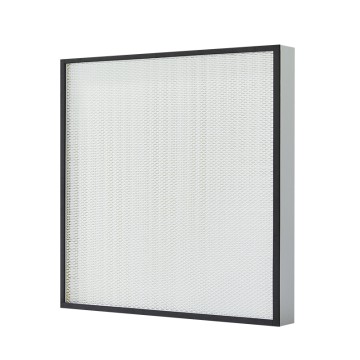
Before any intake side filter replacement work begins, full system lockout procedures must be followed to isolate all connected air supply and exhaust equipment. This step prevents accidental fan startup or unexpected airflow surges that could dislodge loose filter media or expose workers to accumulated overspray dust. The surrounding work area should be cleared of loose painting tools, solvent containers, and unprotected coated parts to avoid cross-contamination during the process. All personnel involved in the task should wear appropriate personal protective gear to handle dust-laden old Filter Material safely, without spreading captured paint particles into adjacent clean zones.
Contaminated Old Filter Removal and Containment Protocols
Removing the old intake side filter requires slow, controlled movements to prevent built-up overspray and dry paint particles from shaking loose into the intake duct or booth interior. Technicians typically seal the used filter material directly inside heavy-duty containment bags as soon as it is detached from the mounting frame, minimizing airborne dust release during transport out of the facility. Every edge of the filter frame should be wiped down thoroughly after the old media is removed, clearing away residual dust buildup that could otherwise break loose and travel downstream once new airflow resumes. This careful removal process also prevents accumulated contaminants from entering the clean air side, which would compromise the performance of the newly installed filter.
New Filter Alignment, Sealing and Post-Installation Airflow Verification
Once the new intake filter is positioned in the mounting frame, every seam and perimeter edge must be checked to ensure a complete, airtight seal with no visible gaps. Even small unsealed gaps along the frame edge can allow unfiltered air to bypass the media, carrying unprocessed dust directly into the spray booth and ruining finished paint surfaces. After the mounting hardware is secured, technicians run the air supply system at low initial speed first, gradually ramping up to full operating velocity to check for unexpected pressure fluctuations or air leaks around the filter housing. A final downstream air particle count check confirms that the intake side replacement has restored the system to its designed air cleanliness level before regular painting operations resume.