

Spray Booth Air Filter inspection routine procedures
Pre-shift quick operational parameter check
Start every inspection routine with a fast, non-intrusive check that requires no disassembly or booth downtime. Record the differential pressure value across the intake and exhaust filter banks while the spray booth runs at its normal full operating airflow speed, and compare the reading against the baseline value logged after the last full filter service. Confirm all airflow status indicators on the booth control system show normal active status, and note any subtle drift or gradual upward pressure trend that has developed since the previous work shift.
Walk around the exterior of the booth to listen for unusual whistling or air leak sounds around filter access panels, and check that all access door seals are properly seated with no visible gaps that could pull unfiltered air into the airflow path. This quick pre-shift check catches early warning signs of filter issues long before they develop into major operational disruptions that interrupt painting work.
Scheduled mid-depth filter element inspection
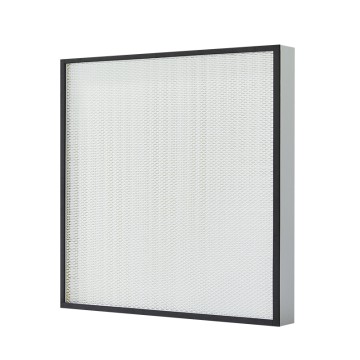
At regular scheduled intervals that align with the workshop’s production volume, perform a more thorough hands-on inspection of the filter elements themselves. Power down and lock out the booth’s fan systems following all site safety protocols, then remove the filter access panels one at a time to inspect the condition of every filter layer in sequence. Check the upstream face of each filter for accumulated paint overspray, dust buildup or uneven loading patterns that indicate unbalanced airflow distribution across the filter bank.
Run a gloved hand gently across the filter surface to feel for areas where the media has become saturated, hardened or caked with thick overspray residue, and inspect for any physical damage, tearing or media collapse that could create unfiltered air bypass. Document the condition of each filter stage clearly, so you can track loading rate trends over time and adjust service intervals to match actual production demand rather than following a generic fixed schedule.
Post-high-volume production deep system verification
After extended periods of high production output or large batch painting work that generates unusually high volumes of overspray, carry out a full deep inspection that extends beyond the Filter Media itself. Inspect the filter holding frames, sealing gaskets and mounting edges to confirm no gaps, worn seals or misaligned elements have developed that could allow contaminated air to bypass the filter entirely. Check the downstream side of the filter bank for any accumulated fine particulate or overspray residue that has worked its way through the media, which signals the filter has reached the end of its effective service life.
Inspect the plenum walls and adjacent duct sections near the filter bank for built up overspray residue that could flake loose and contaminate the filter surface unexpectedly. This deep inspection step ensures the full filter system maintains complete sealing and filtration performance, even after the booth has been pushed through extended continuous production cycles.
Post-maintenance functional performance test
Every time filter service or replacement work is completed, run a full functional inspection routine before returning the booth to active painting operations. Secure all filter access panels back into their proper positions, restart the booth ventilation system and allow it to run at full speed for a sufficient period to stabilize the internal airflow. Re-measure the differential pressure across every filter stage, and confirm the new readings align with the expected clean filter baseline values for the system.
Perform a visual smoke test inside the booth to verify the airflow pattern remains consistent and stable, with no unexpected dead zones, turbulence or unfiltered air leakage points that could compromise finished paint surface quality. This final verification step confirms the entire filter inspection and maintenance work was completed correctly, and the booth is fully ready to deliver consistent, high quality painting results for upcoming production runs.