

Spray Booth Air Filter for water-based paint systems
Water-based paint systems introduce unique filtration challenges that set them apart from traditional solvent-based painting workflows, making the right Spray Booth Air Filter setup a critical factor for consistent, high-quality finishes. The higher moisture content and distinct particle characteristics of water-based overspray require filtration solutions tailored to handle these specific properties without disrupting booth airflow or compromising final paint results. Many automotive painting teams transitioning to water-based formulations find that small adjustments to their filtration approach can eliminate a surprising number of previously hard-to-diagnose finish defects.
Unique Filtration Challenges for Water-Based Paint Overspray
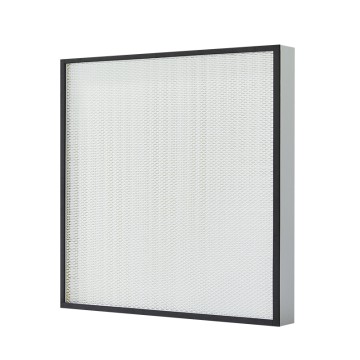
Water-based paint particles carry higher moisture content and often exhibit different adhesion behaviors compared to solvent-based overspray, which can change how they interact with Filter Media. Wet, tacky overspray particles can stick to the surface of some filter materials instead of penetrating deeper into the fiber structure, leading to rapid surface blinding that spikes airflow resistance unexpectedly. The higher humidity levels common in water-based painting environments can also affect the structural integrity of certain filter media types, causing fiber swelling, sagging, or uneven loading that disrupts balanced booth pressure. Even small amounts of residual overspray that recirculate through the ventilation system can create water-based paint mist that lands on wet or curing paint layers, leaving faint but noticeable haze or texture on the final clear coat surface.
Performance Requirements Tailored to Water-Based Applications
Spray booth air filters for water-based paint systems need to meet specific performance criteria that address these unique operating conditions. The media structure must allow wet, tacky particles to penetrate gradually through the fiber layers instead of building up only on the outermost surface, extending service life and maintaining stable airflow for longer periods. The filter material itself needs strong resistance to constant high humidity and occasional contact with water-based paint carriers, so it does not degrade, shed loose fibers, or lose its structural shape when fully loaded. Consistent particle capture efficiency for fine, lightweight water-based paint mist is also essential, as these tiny particles can easily bypass poorly matched filters and create subtle but costly finish defects that only become visible after the curing process is complete.
Practical Installation and Operational Tips
Simple, intentional adjustments to how you handle and maintain spray booth air filters can drastically improve performance in water-based paint systems. Always confirm the filter media is oriented correctly according to its designed airflow direction, so incoming overspray first encounters the more open fiber layer that captures larger wet particles before they can clog the finer downstream sections. Inspect filter loading patterns at the end of every production week to spot uneven buildup that might signal unbalanced airflow or unexpected overspray concentrations in specific zones of the booth. Avoid running the booth ventilation system at excessively high speeds during water-based paint application, as this can push wet particles straight through the filter media instead of letting them be captured by the fiber matrix. Keep a basic log of filter service life alongside your water-based painting volume, so you can identify the optimal replacement interval that prevents unexpected pressure spikes before they disrupt your workflow.
When aligned properly with the unique properties of water-based paint systems, spray booth air filtration creates a far more stable painting environment that reduces rework, supports more consistent finish quality, and helps teams get the most out of their water-based painting investments over time.