

Spray Booth Air Filter for reducing paint surface defects
Spray Booth Air Filter for Reducing Paint Surface Defects
Root cause link between unfiltered air and paint surface defects
Even small airborne contaminants that are invisible to the naked eye can create visible, costly flaws on finished painted surfaces. Uncontrolled particulates including dry paint overspray, ambient dust, fine lint, and oil mist from workshop machinery will stick to wet paint layers before they cure, creating rough spots, pinholes, fisheyes, and uneven texture that require time-consuming rework to repair. Many teams spend hours adjusting spray gun parameters and paint mixing ratios trying to eliminate these defects, without realizing the root cause traces back to insufficient air filtration that lets these contaminants enter the booth environment in the first place.
Air flow that moves too fast or too slow across the painting surface also creates its own set of defects. Unstable, unfiltered air movement can cause wet paint to dry unevenly, leading to orange peel texture, or push tiny droplets of fresh paint into unintended patterns that ruin the smooth, uniform finish. The Air Filter system is not just a simple contaminant barrier, it is the core foundation that creates the stable, controlled clean air environment required for consistent high quality painting results.
Staged filtration configuration for different booth air zones
Different sections of the spray booth air path require targeted filter configurations that match the specific contaminant levels present in each location. The intake air path that draws in ambient workshop air needs a multi-stage setup that captures progressively finer particulates, starting with larger dust and debris at the first stage before moving to higher efficiency layers that catch the tiny sub-micron particles that cause the most subtle surface defects.
The exhaust air path, by contrast, is designed to capture wet paint overspray before it can escape back into the workshop atmosphere, preventing recycled overspray from being pulled back into the booth intake and creating cross-contamination issues. No single filter layer can handle both intake and exhaust requirements effectively, and mismatched filter placement will leave critical gaps that let defect-carrying air bypass the filtration system entirely. Proper staged configuration ensures every cubic meter of air moving through the booth is treated to the exact cleanliness level needed for its specific role in the painting process.
Real-time condition monitoring to prevent hidden performance degradation
Filter performance does not stay constant over extended operation, and gradual clogging or unnoticed damage to Filter Media can introduce defects that appear randomly across batches, making them extremely hard to trace. Many teams only replace filters on a fixed calendar schedule, without accounting for actual operating load, which can leave filters operating past their effective service life or waste usable filter capacity through unnecessary early replacement.
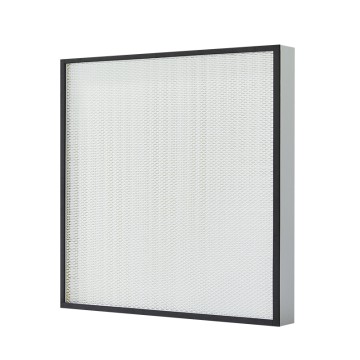
Monitoring the pressure differential across each filter stage gives a clear, real-time view of remaining filter capacity, so maintenance teams can schedule replacements exactly when performance reaches the defined threshold, before contaminant breakthrough starts creating visible paint defects. Regular visual inspections of filter media during each maintenance cycle also catch small tears, unsealed edge gaps, or improper seating that would let unfiltered air leak directly into the clean booth zone. This proactive monitoring approach eliminates the unexpected, random defect events that happen when filter performance degrades without anyone noticing.
Installation and sealing best practices to eliminate bypass leakage
Even the highest efficiency filter media cannot deliver its rated performance if there are small unsealed gaps around the filter frame that let unfiltered air flow around the media instead of passing through it. These leakage paths are often located at the corners of filter mounting frames, between adjacent filter panels, or where the filter housing meets the booth wall structure, and they can introduce more unfiltered contaminants than the filter itself would ever allow to pass through its media.
During every filter replacement, inspect all sealing gaskets for signs of wear, flattening, or damage that would break the airtight seal, and make sure every mounting fastener is tightened evenly to apply consistent pressure across the full edge of the filter frame. After installation, perform a simple smoke test inside the booth to identify any unexpected air flow patterns that point to hidden bypass leakage, and seal any gaps found before resuming full painting operations. This small, often overlooked step removes one of the most common hidden causes of persistent, hard-to-eliminate paint surface defects.