

Spray Booth Air Filter for industrial paint finishing
Industrial paint finishing environments operate under unique demands that set their air filtration requirements far apart from small workshop or hobby spray booth setups. These facilities run extended daily shifts, process high volumes of large or complex workpieces, and handle a wide range of coating materials that release heavy concentrations of overspray, solvent fumes, and fine pigment particulates into the booth airstream. The Air Filters deployed in these spaces must not only capture these contaminants reliably, but also maintain consistent performance across weeks of continuous operation, resist chemical degradation from aggressive coating chemistries, and support full compliance with strict workplace safety and environmental emission standards. A poorly optimized filtration system in an industrial finishing line does not just compromise paint finish quality, it creates cascading risks for operator health, equipment uptime, and long-term operational compliance.
Many industrial teams learn through costly experience that generic Air Filtration Solutions cannot keep pace with the rigors of continuous paint finishing. Filters that work adequately for low-volume, intermittent use will clog rapidly under heavy industrial overspray loads, creating sudden spikes in exhaust static pressure that disrupt the carefully calibrated downdraft or crossflow velocity required to contain paint mist. This disruption leads to floating overspray that settles on wet coating surfaces, generates hours of rework, and exposes technicians to elevated levels of airborne contaminants that exceed occupational safety limits. Over months of operation, these underperforming filters also allow uncollected paint residue to build up inside exhaust ductwork, creating hidden fire hazards that require costly, time-consuming deep cleaning to resolve.
Filtration Requirements for Continuous Industrial Operation
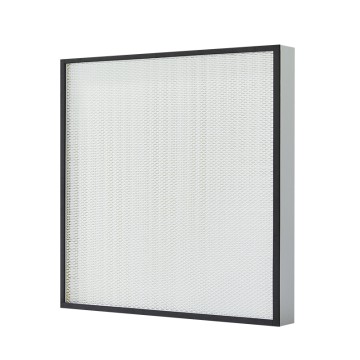
Industrial paint finishing filters must be engineered to handle highly variable contaminant loads across different zones of the spray booth. Near the painting station, where overspray concentrations peak, filters need deep, high-capacity media beds that can trap massive volumes of wet paint mist without surface plugging. In upstream intake sections, filters must capture ambient dust and airborne shop debris before it can enter the booth and ruin freshly coated surfaces, even when the facility’s surrounding manufacturing floor generates high levels of general particulate matter. This layered, zoned approach ensures no single filter stage is forced to handle more contaminant load than it is designed to manage, preserving consistent airflow across every square foot of the booth workspace.
Chemical compatibility represents another non-negotiable requirement for industrial finishing filters. Many modern high-performance industrial coatings contain aggressive solvents, curing agents, and specialty pigments that can break down standard Filter Media over extended contact time. Degraded media loses its structural integrity mid-operation, releasing captured contaminants back into the airstream and creating unexpected gaps in filtration coverage. Filters built for industrial paint finishing use chemically resistant fiber structures that maintain their strength, shape, and particle capture efficiency even after prolonged exposure to the full range of coating chemistries commonly used in heavy industry, from high-solids polyurethanes to waterborne base coats and high-temperature powder coating overspray.
Impact on Finish Consistency and Process Stability
Reliable air filtration forms the invisible foundation of repeatable, high-quality industrial paint finishing. When airflow remains perfectly balanced across the booth, every workpiece receives the same stable, overspray-free environment during coating application, eliminating random defects that create inconsistent finish appearance across large production batches. This level of consistency is critical for industrial sectors where uniform coating thickness, gloss level, and surface cleanliness are mandatory to meet part performance specifications, such as heavy equipment, aerospace components, and industrial machinery parts. Even minor fluctuations in filtration performance that shift airflow velocity by a small margin can create visible variations in final finish quality that force entire batches of parts to be reprocessed.
Consistent filtration performance also protects the long-term functionality of downstream air handling equipment. Industrial exhaust systems for spray booths represent a major capital investment, and unfiltered overspray that bypasses primary filters will coat fan blades, heat exchangers, and emission control components with sticky paint residue. This buildup reduces fan efficiency over time, increases energy consumption, and can even cause rotating components to become unbalanced, leading to unexpected mechanical failure and unplanned downtime. High-performance industrial spray booth filters capture nearly all solid paint particles before they can travel downstream, preserving the performance and extending the service life of the entire air handling system for years beyond the original design expectations.
Maintenance and Compliance Alignment for Industrial Facilities
Structured filter maintenance workflows tailored to industrial operating cycles ensure filtration performance never drifts outside regulatory or safety requirements. Most industrial finishing teams track static pressure differentials across each filter stage on every work shift, creating a clear, data-driven record of filter loading that can be cross-referenced against production volume, coating type, and hours of booth operation. This data not only helps teams schedule filter changes at the optimal time to maximize service life, it also creates a documented performance trail that simplifies compliance audits for workplace air quality and environmental emission regulations.
Proper filter handling during changeouts also reduces operational risk in high-volume industrial environments. Saturated industrial paint filters hold large volumes of captured overspray and solvent residue, which can release volatile organic compounds if left exposed to open workshop air. Industrial teams follow strict protocols to seal used filters in impermeable, labeled containers immediately upon removal, minimizing fume exposure for technicians and preventing loose paint residue from contaminating other areas of the facility. This structured approach turns filter maintenance from a routine chore into a core part of the facility’s overall safety and compliance management system, eliminating hidden risks that could disrupt production or lead to regulatory penalties.
For industrial paint finishing operations that run around the clock to meet tight production deadlines, the right spray booth air filtration system does far more than clean air. It stabilizes the entire finishing process, reduces unplanned downtime, protects operator health, and ensures every part that leaves the booth meets the strict quality standards that define industrial-grade coating work.