
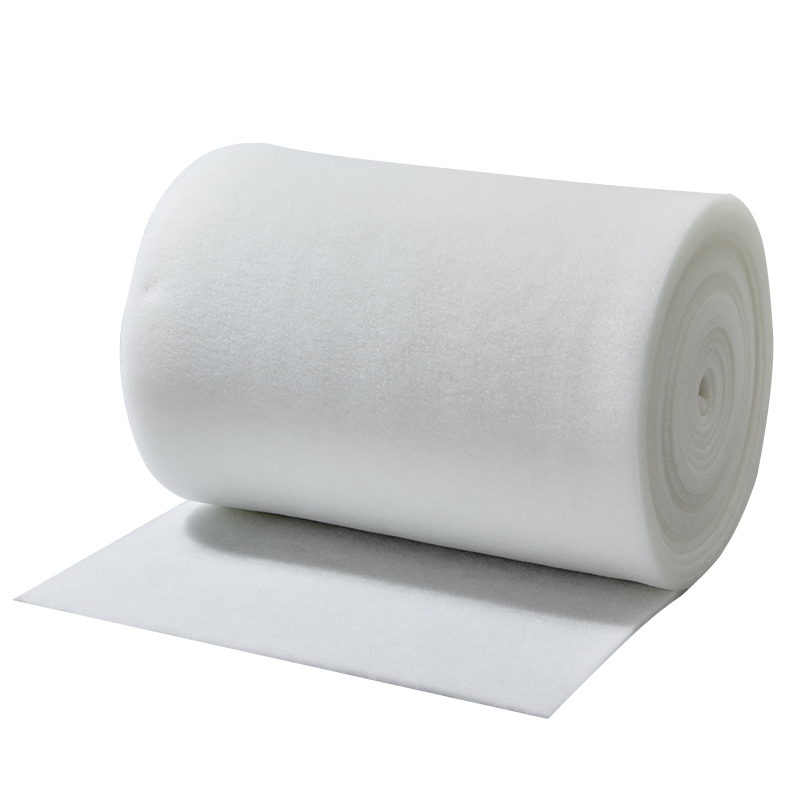

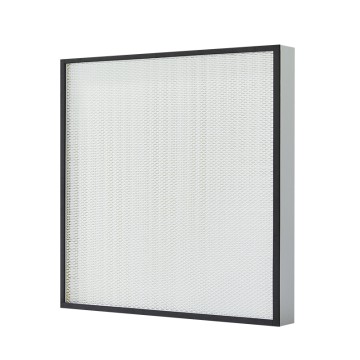


Spray Booth Air Filter for downdraft spray booth
Downdraft spray booths rely on carefully controlled vertical airflow to pull contaminants away from painted surfaces, and the performance of their air filters directly shapes how well this entire system functions. Unlike cross-draft or semi-open booth designs, downdraft systems move clean air from ceiling-level intakes all the way down through the workspace before exhausting it at floor level, which places very specific demands on every layer of filtration in the airflow path. For automotive painting teams, matching the right filter setup to this vertical airflow pattern eliminates many common finish defects that are hard to resolve with other booth configurations.
Filtration Requirements for Downdraft Airflow Patterns
The vertical, evenly distributed airflow in a downdraft booth requires filters that can deliver consistent air velocity across the entire ceiling intake area, with no weak spots or uneven resistance that would create turbulence in the painting zone. Any variation in filter loading or efficiency across the intake face can create dead spots where clean air fails to reach, allowing fine dust or overspray to linger and settle on wet paint surfaces. The filters must also handle large volumes of intake air without creating excessive backpressure, as even small changes in airflow resistance can disrupt the carefully calibrated negative or positive pressure balance that downdraft booths depend on. This uniform performance across the full filter surface is far more critical in downdraft systems than in booth designs with more limited, localized intake zones.
Performance Benefits Optimized for Downdraft Booth Operations
Well-matched air filters for downdraft spray booths unlock the full operational advantages that this booth layout is designed to deliver. When intake filtration performs consistently across the entire ceiling, the vertical airflow creates a smooth, laminar air blanket that moves straight past the painted workpiece, carrying overspray and fine contaminants downward and away from fresh wet paint instead of letting them drift back onto panel surfaces. This drastically reduces the risk of dust nibs, overspray specks, and faint haze that often appear in finishes from booths with uneven airflow distribution. It also creates a far more predictable working environment for painters, since there are no hidden low-pressure zones where unfiltered air can leak in through unprotected gaps around booth doors or access panels.
Installation and Maintenance Best Practices
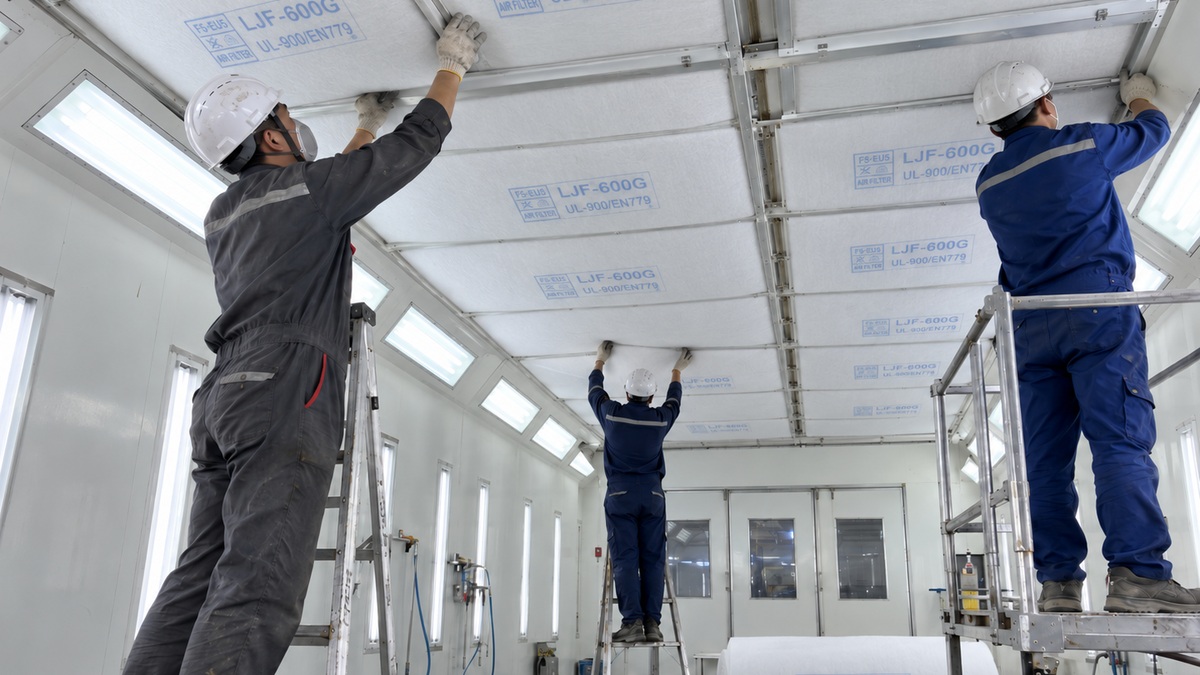
Getting the most reliable performance out of downdraft spray booth filters depends on small, intentional steps that align with the unique layout of these systems. When installing ceiling intake filters, work systematically across the full grid to ensure every panel sits flush in its frame, with no gaps, loose edges, or misaligned sections that could create unfiltered air bypass. During every routine maintenance check, inspect the floor exhaust filters as well, since these components also play a key role in maintaining consistent vertical airflow balance across the entire booth. Track pressure drop readings across both intake and exhaust filter sets over time, so you can spot uneven loading patterns that signal blocked vents, damaged fan components, or sections of filter media that are failing prematurely. Never leave large sections of the ceiling filter grid uncovered during partial filter replacement, as this will create massive airflow imbalances that can ruin an in-progress paint job in minutes.
When filtration is properly aligned with the unique vertical airflow characteristics of a downdraft spray booth, teams can deliver far more consistent, high-quality automotive finishes with fewer defects, less rework, and a far more predictable daily painting workflow.