
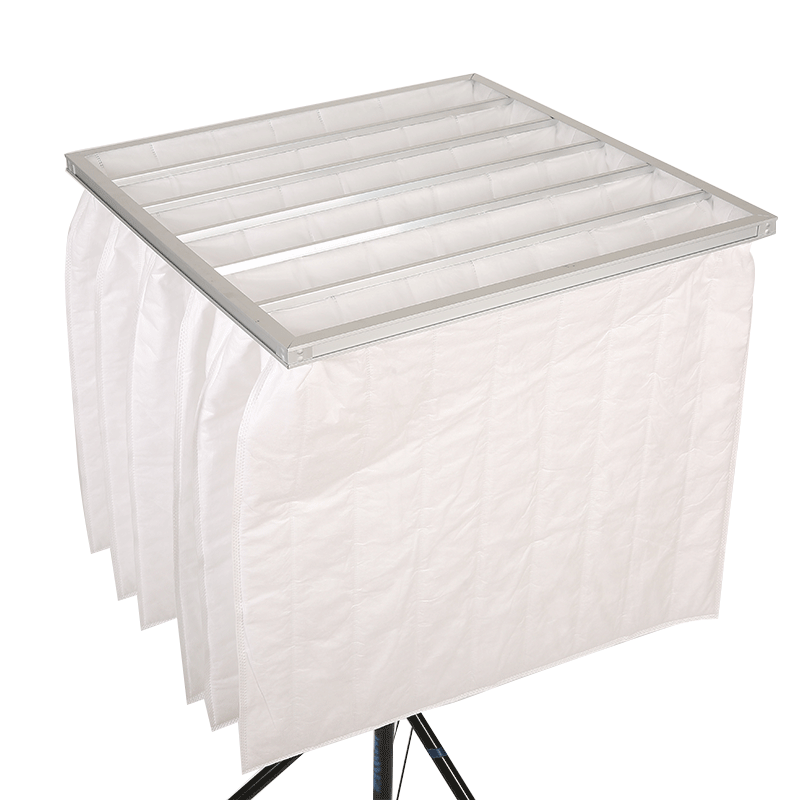
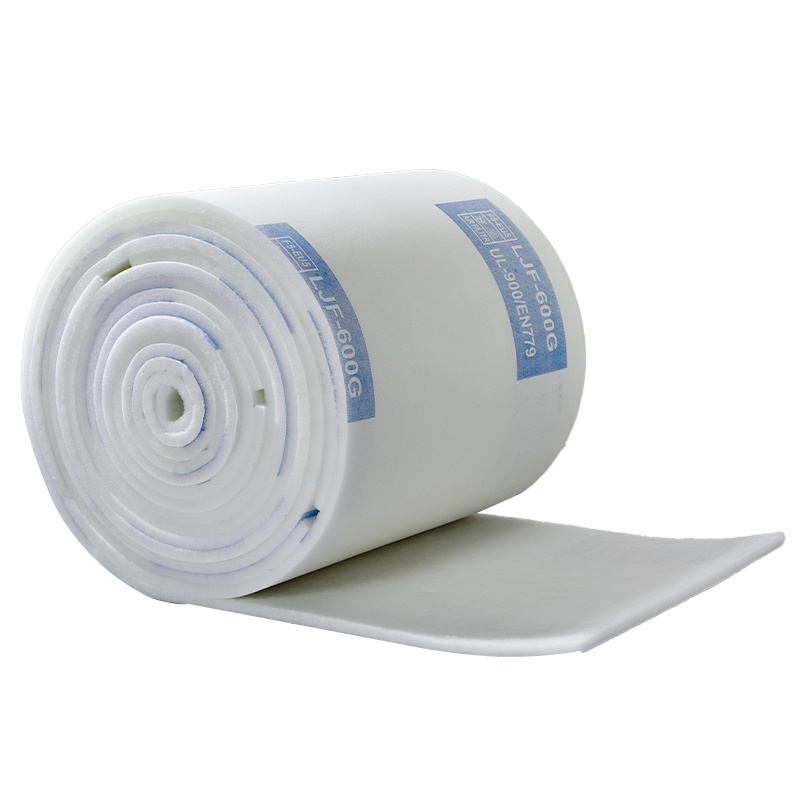
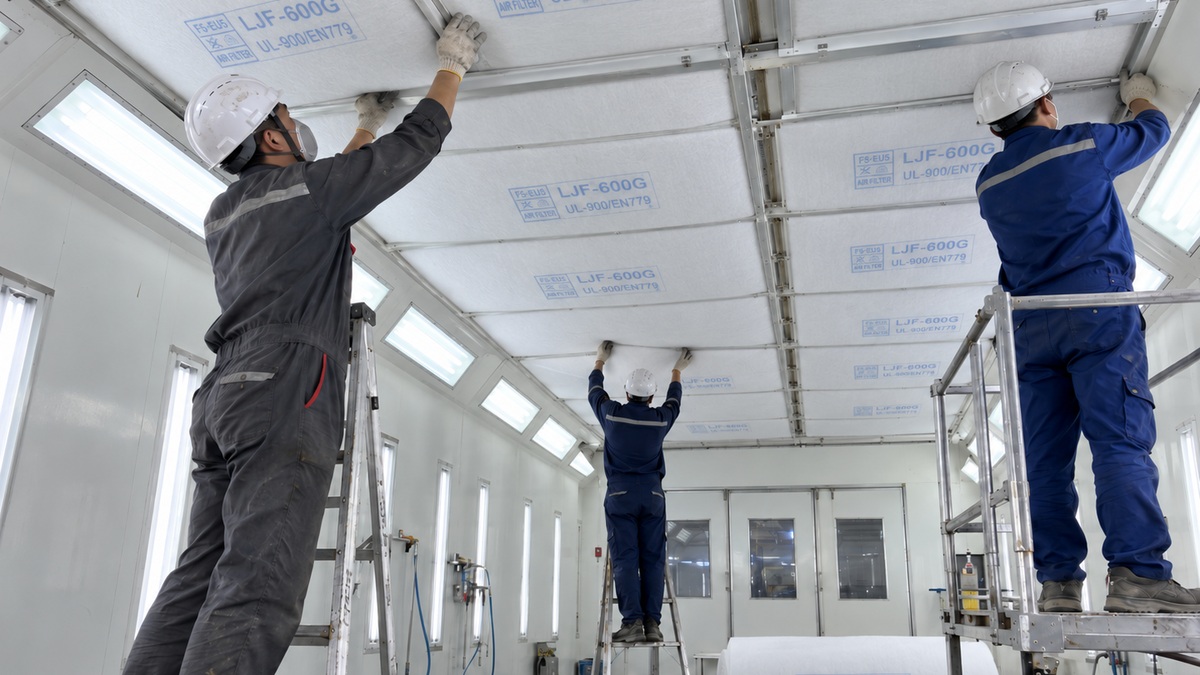
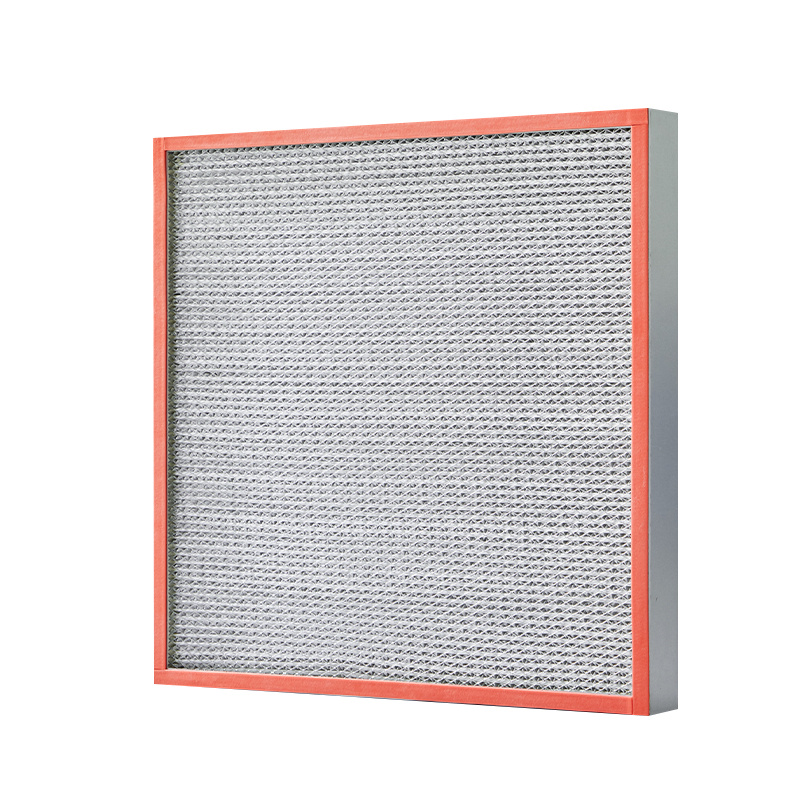
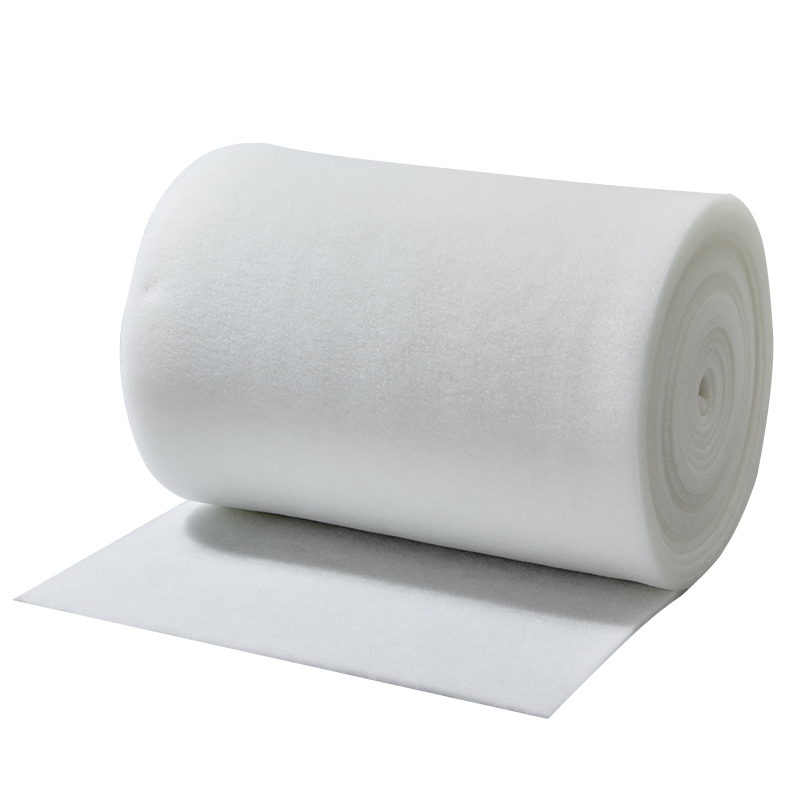
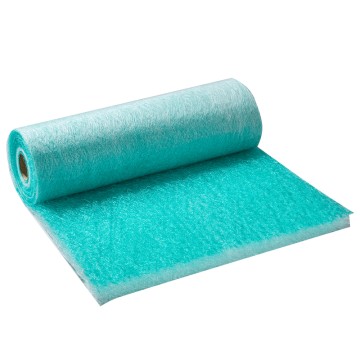
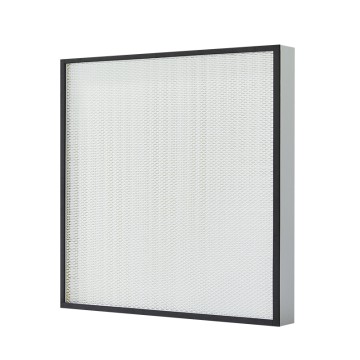


Spray Booth Air Filter for cross draft spray booth
Cross draft spray booths move horizontal airflow across the painting workspace, pulling clean air through one side of the booth and exhausting contaminated air out the opposite wall. This layout creates unique filtration challenges that differ significantly from downdraft designs, as the horizontal air path carries overspray directly past the painted workpiece before it reaches the exhaust filters. For automotive painting teams, understanding how filtration interacts with this horizontal airflow pattern is key to reducing finish defects and keeping consistent working conditions across every painting shift.
Unique Filtration Demands of Horizontal Airflow Paths
In a cross draft booth, the entire volume of intake air travels parallel to the painted panels, so even small inconsistencies in intake filter performance can create uneven air velocity across different sections of the workspace. If intake filtration has localized gaps or uneven resistance, unfiltered dust can drift directly onto wet paint surfaces before the horizontal airflow carries it toward the exhaust side. The exhaust filters in these systems also face concentrated loads of wet overspray that builds up quickly on the side of the booth closest to the exhaust fan, which can create rapid spikes in airflow resistance that throw the entire booth’s pressure balance off. Unlike downdraft systems that distribute overspray loading evenly across a full ceiling or floor filter grid, cross draft booths tend to concentrate contaminant buildup on the exhaust filter bank, creating uneven performance that requires targeted maintenance.
Operational Advantages of Properly Matched Filters for Cross Draft Booths
When filtration is calibrated to the horizontal airflow of a cross draft booth, teams can unlock far more consistent performance that aligns with the layout’s natural strengths. Well-balanced intake filters deliver a smooth, uniform curtain of clean air that moves steadily across the painting zone, carrying overspray away from the painter’s line of sight and preventing it from settling on freshly applied paint layers. This horizontal air movement also creates a predictable, low-turbulence working zone right in the center of the booth, where painters can apply base coat and clear coat without unexpected air gusts that cause runs, sags, or uneven coverage. The right filter setup also prevents heavy overspray from building up inside the exhaust ductwork, reducing long-term fire risk and cutting down on the deep, time-consuming duct cleaning work that many cross draft booth operators face.
Practical Installation and Maintenance Guidance
Simple, repeatable practices make a huge difference in how reliably filters perform in cross draft spray booth operations. When installing intake filter panels, double check that every edge seals tightly against the booth’s intake frame, paying extra attention to the corners where small gaps often form that can pull in unfiltered ambient dust. Inspect the exhaust filter bank at the end of every full production day, since the concentrated overspray load on these filters can create uneven loading that you can spot long before it causes a noticeable pressure drop across the booth. Rotate filter positions periodically if you notice that the section of the exhaust bank closest to the spray gun zone loads far faster than the rest of the filter bank, to extend overall service life and keep airflow balanced. Never run the booth’s exhaust fan without a full set of properly seated filters in place, as unfiltered overspray will coat the fan blades and internal ductwork in hours, creating hard-to-remove buildup that permanently disrupts airflow balance.
A well-tuned filtration setup tailored to the horizontal airflow of a cross draft spray booth creates a stable, low-defect painting environment that helps teams deliver consistent automotive finishes without the unnecessary workflow disruptions that come from mismatched or poorly maintained filters.