
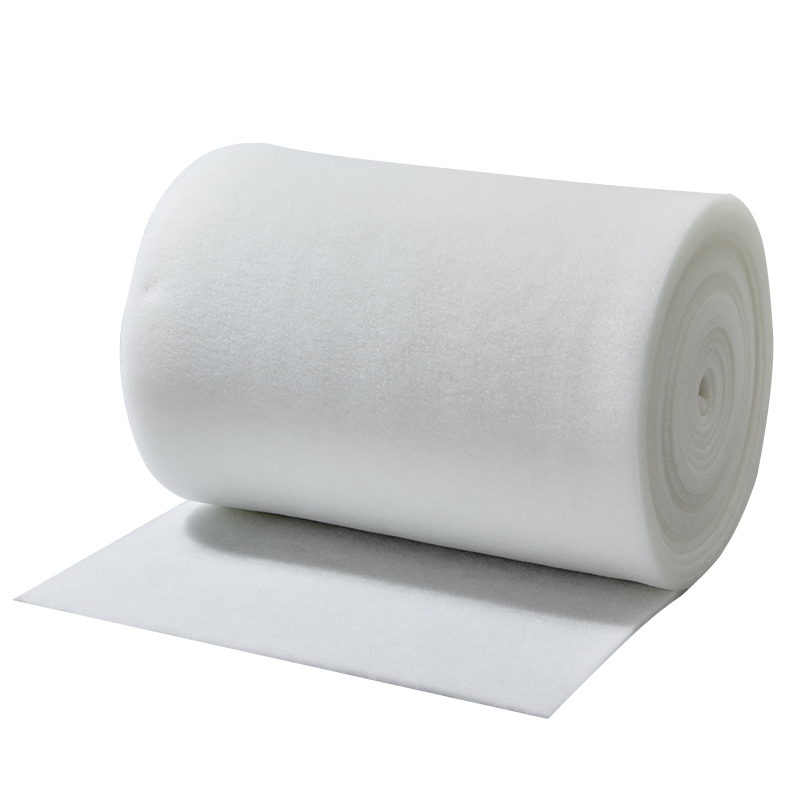
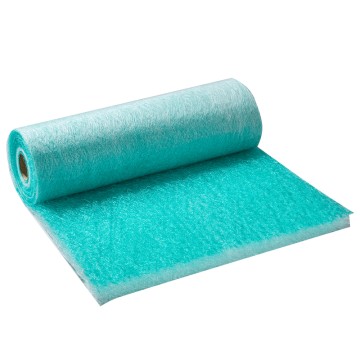
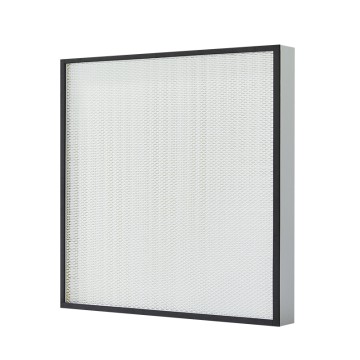

Spray Booth Air Filter for automotive painting applications
When working with automotive painting operations, maintaining consistent air quality inside the spray booth directly impacts every stage of the finishing process. Even tiny airborne particles can ruin hours of careful prep work, leaving visible flaws that require rework and delay project timelines. Many teams overlook how small changes in air filtration performance can create noticeable differences in final paint results, long-term equipment health, and overall workplace conditions.
Core Functions in Automotive Painting Environments
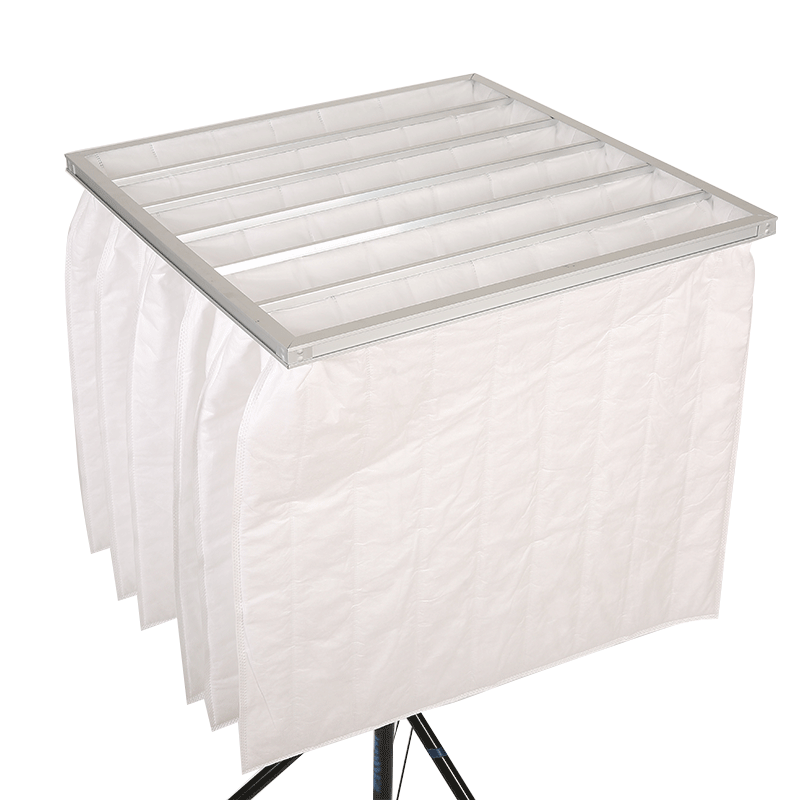
Proper air filtration for automotive spray booths targets both large and microscopic contaminants that would otherwise settle on wet paint surfaces. These systems capture overspray particles before they can recirculate through exhaust pathways, preventing buildup on internal fans, ductwork, and heating components that can reduce system efficiency over time. They also help control the even distribution of clean air across the booth workspace, ensuring consistent paint coverage without unexpected turbulence that causes runs or sags. For teams running continuous painting shifts, reliable filtration keeps airflow balanced so every vehicle panel receives the same level of clean air exposure during application and curing stages.
Key Performance Factors to Prioritize
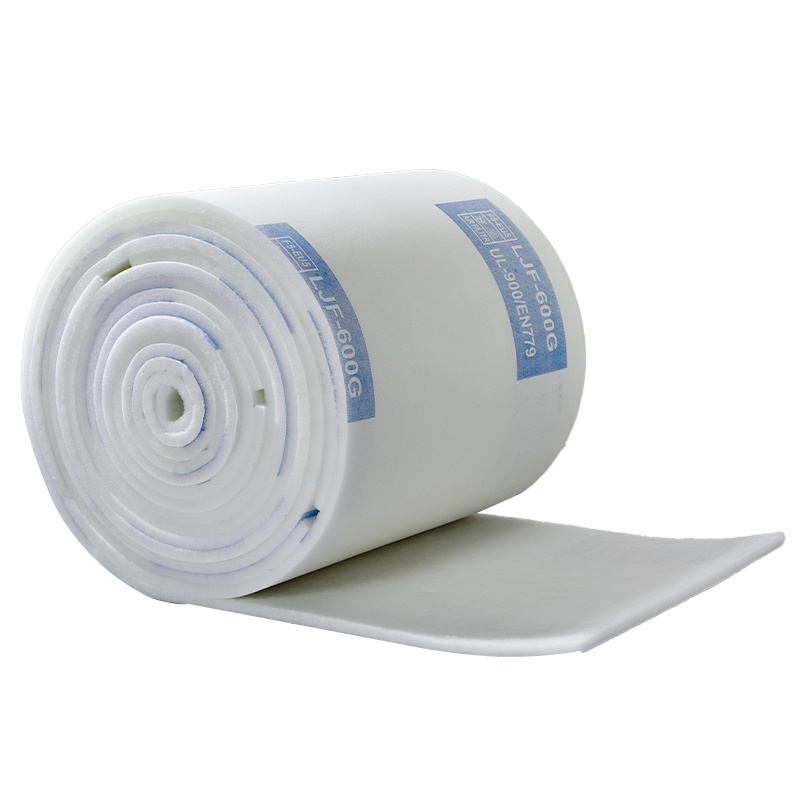
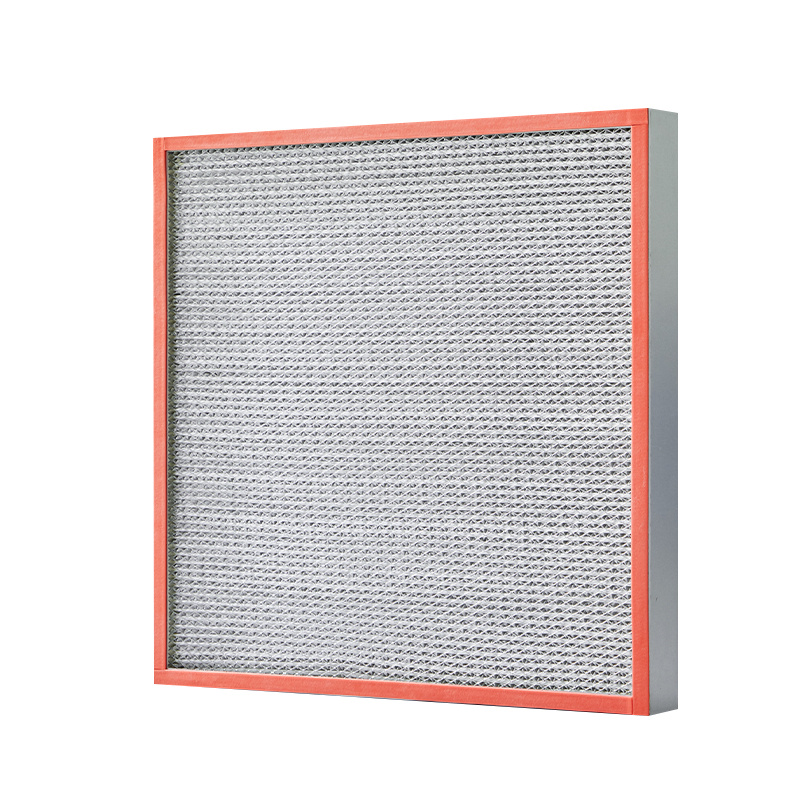
Filtration performance depends on three interconnected factors that matter most for automotive painting use cases: particle capture efficiency, dust holding capacity, and resistance to airflow. Higher capture efficiency for fine particles means fewer specks end up embedded in clear coat layers, reducing the need for time-consuming buffing or repainting. Strong dust holding capacity extends service intervals, so teams spend less time stopping production to replace filter media during busy workweeks. Low and stable airflow resistance ensures the booth maintains the correct pressure balance that prevents unfiltered air from leaking in through gaps around doors or access panels. Each of these factors works together to support steady, uninterrupted painting operations that deliver consistent results across every job.
Practical Maintenance and Installation Tips
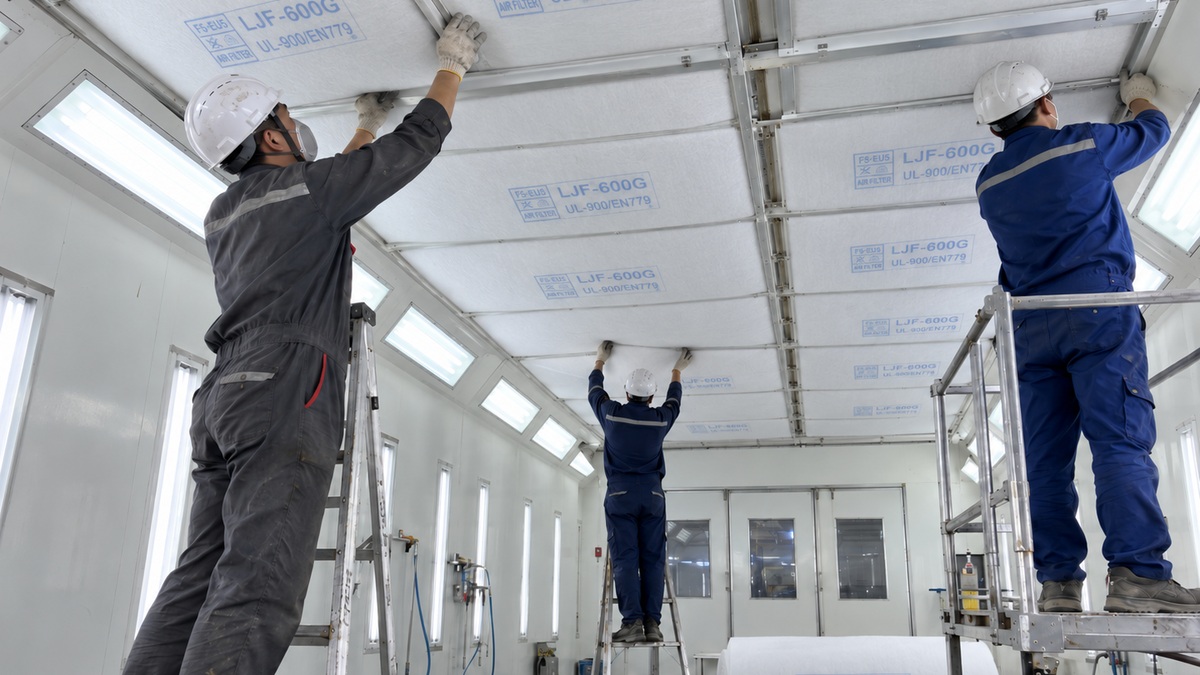
Getting the most out of spray booth air filtration starts with simple, repeatable practices that fit easily into existing workshop routines. Always inspect filter media during every pre-shift check to spot unexpected loading or damage that could compromise airflow before starting a painting cycle. Follow the manufacturer’s recommended installation orientation to ensure air passes through the media in the designed direction, as reversed placement can drastically reduce filtration effectiveness. Keep a basic log of filter change intervals and painting volume to identify patterns in how quickly media loads under your specific workshop conditions, rather than relying on generic replacement timelines. Avoid blocking intake or exhaust vents with stored tools, parts, or packaging that can create uneven airflow and put unnecessary extra strain on sections of the filter system.
Beyond day-to-day painting results, well-maintained air filtration also supports a safer, more comfortable workspace for every team member working in and around the spray booth area. Reduced overspray buildup in exhaust systems lowers long-term fire risk, while cleaner recirculated air cuts down on unnecessary VOC exposure for technicians. These small, consistent improvements add up to fewer unexpected disruptions, more predictable workflow scheduling, and better overall finishing quality that holds up for years on every completed vehicle.