


Spray Booth Air Filter floor pit filter version
When a spray booth relies on vertical downward airflow to carry overspray away from the painting zone, the floor pit filter becomes one of the most critical components in the entire air handling system. Unlike wall-mounted filters used in other booth configurations, these filters sit directly in the exhaust path beneath the grated floor, where every particle of paint mist, solvent residue, and fine airborne debris must pass through before the air moves further into the exhaust ductwork. This placement means their performance directly impacts both indoor air quality inside the booth and the overall compliance of the exhaust stream with environmental standards.
Many operators overlook how much the floor pit filter contributes to consistent finish quality. When overspray is captured effectively at floor level, it cannot recirculate upward onto wet paint surfaces, eliminating common defects like dust nibs, orange peel irregularities, and unwanted paint specks that force time-consuming rework. Even small gaps in filter coverage or improperly seated media can create dead zones where contaminated air lingers, undermining hours of careful painting preparation.
Core Installation Principles for Floor Pit Filters
Correct orientation is non-negotiable for these deep-loading media. The more open, fibrous side of the filter must face upward toward the booth floor, so incoming overspray particles gradually embed themselves deeper into the media rather than clogging only the surface layer. This design extends service life significantly and maintains consistent airflow resistance across the entire filter face. If installed backward, the dense backing layer traps heavy paint particles right at the entry point, causing rapid pressure rise, uneven airflow, and premature saturation that can collapse media under sustained exhaust load.
Sealing around every filter edge also demands careful attention. Even a narrow gap between adjacent filter panels or between the filter and the pit frame allows unfiltered overspray to bypass the media entirely. Over weeks of operation, these bypass streams coat internal duct surfaces with accumulated paint residue, creating fire risks and reducing the efficiency of downstream filtration stages. Most experienced technicians use lightweight, compressible sealing strips along frame edges to eliminate air leaks without creating unnecessary resistance that would disrupt the booth’s carefully balanced downdraft pattern.
Performance and Load-Bearing Considerations
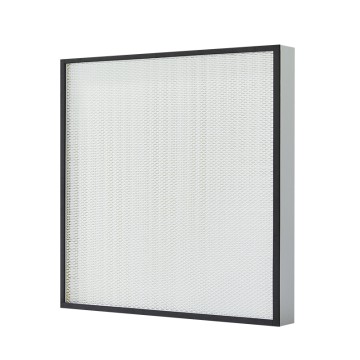
Floor pit filters must handle far more than just paint capture. They are positioned beneath grated flooring that supports technicians, rolling tool carts, and occasional heavy equipment movement during booth setup and cleaning. This means the media and its supporting frame must maintain structural integrity even when partially saturated with wet paint, without sagging, tearing, or creating uneven airflow across the pit opening. Media selected for this application typically features progressive density construction, where fiber density increases gradually from the entry face to the final backing layer. This structure holds massive volumes of overspray before reaching terminal pressure drop, far outperforming standard flat Panel Filters designed for wall mounting.
Airflow distribution across the entire pit area defines how well the booth maintains its designed downdraft velocity. When filters become saturated unevenly, some sections of the pit draw far more air than others, creating slow-moving air pockets near painting stations where overspray lingers instead of being pulled downward. Operators who map pressure differentials across different zones of the pit during each filter change can identify patterns of uneven loading, which often point to blocked upstream diffusers, misaligned floor grates, or sections of media that were not seated properly during the previous installation.
Maintenance and Service Life Optimization
Regular monitoring of static pressure across the filter bank is the most reliable way to schedule service before performance degrades. As paint particles load into the media, resistance increases steadily, and the booth’s exhaust fan must work harder to maintain design airflow. Waiting too long to replace filters causes airflow velocity to drop below the minimum threshold needed to contain overspray within the booth workspace, exposing painters to higher concentrations of solvent fumes and unfiltered particulates. Many teams log pressure readings at the start of every work shift, creating a clear trend line that predicts remaining service life far more accurately than arbitrary calendar-based replacement schedules.
Proper handling during filter changes also prevents unnecessary waste and safety risks. Saturated floor pit filters hold significant amounts of wet paint residue, which can release volatile organic compounds if left exposed in open work areas. Operators should place used filters directly into sealed, impermeable containers immediately upon removal, minimizing fume release during transport off the work floor. Preparing all new filters, tools, and sealing materials before beginning the swap reduces the total time the booth remains open and unfiltered, preventing loose debris from the surrounding facility from falling into exhaust ducts and creating long-term maintenance problems later.
Even small adjustments to how floor pit filters are positioned, sealed, and monitored can create measurable improvements in booth safety, finish quality, and long-term operational cost. For facilities running high-volume painting schedules, mastering these details turns a often-overlooked component into one of the most reliable contributors to consistent, compliant daily operation.