
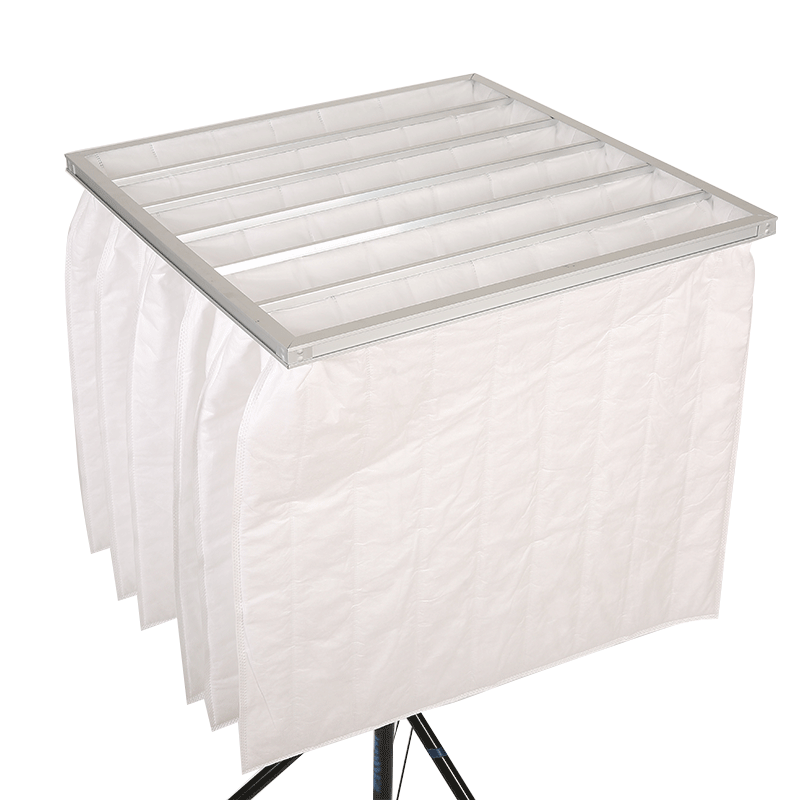
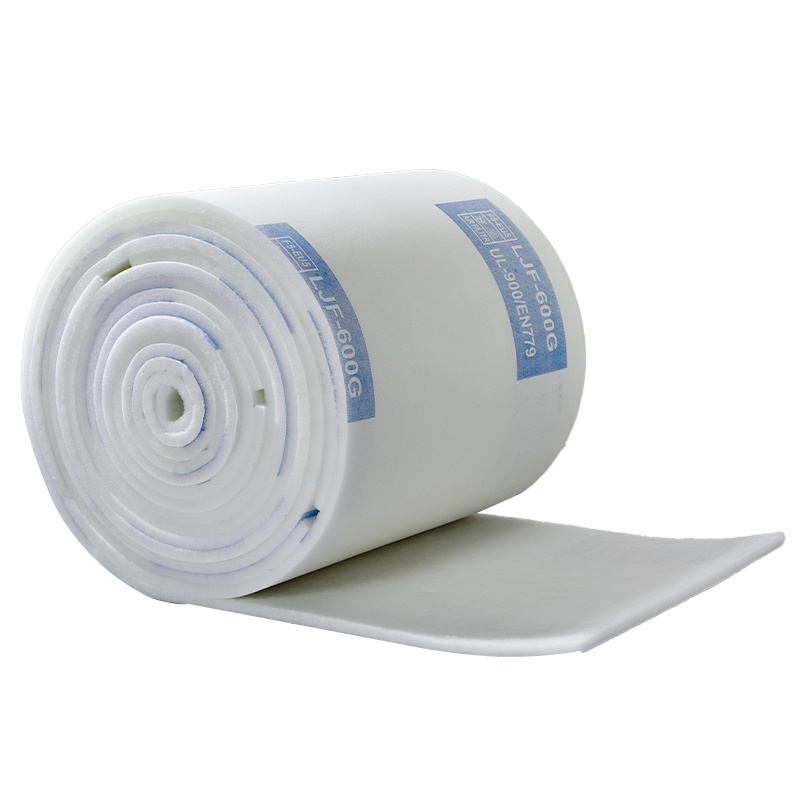
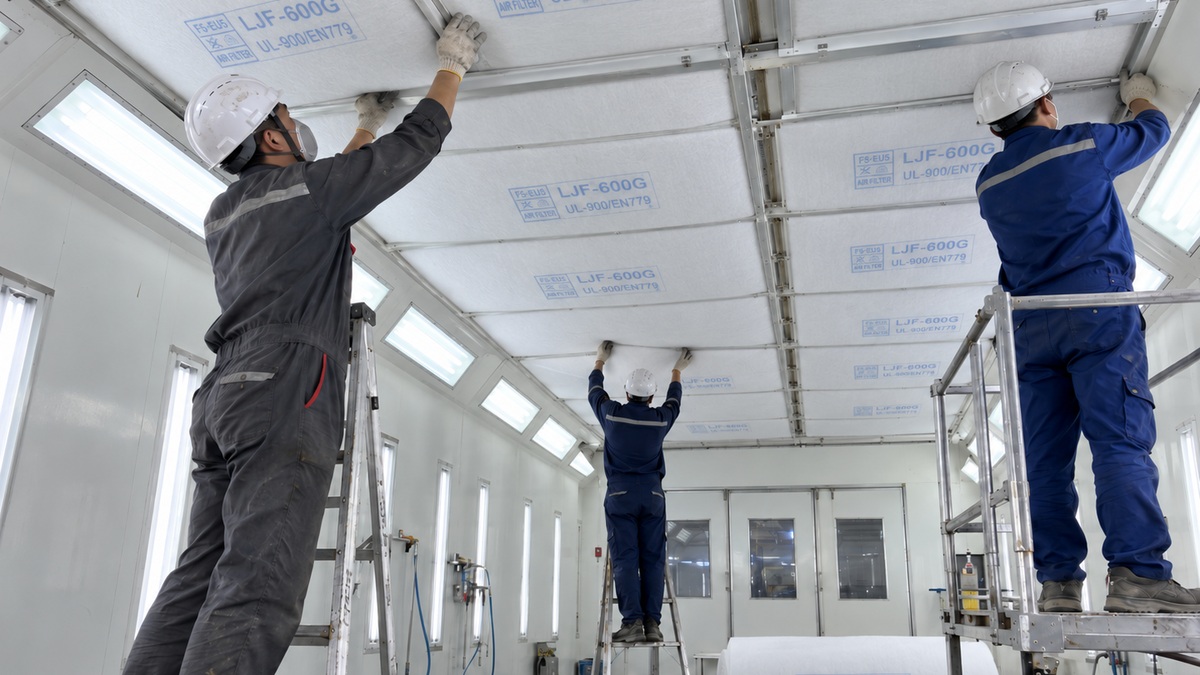
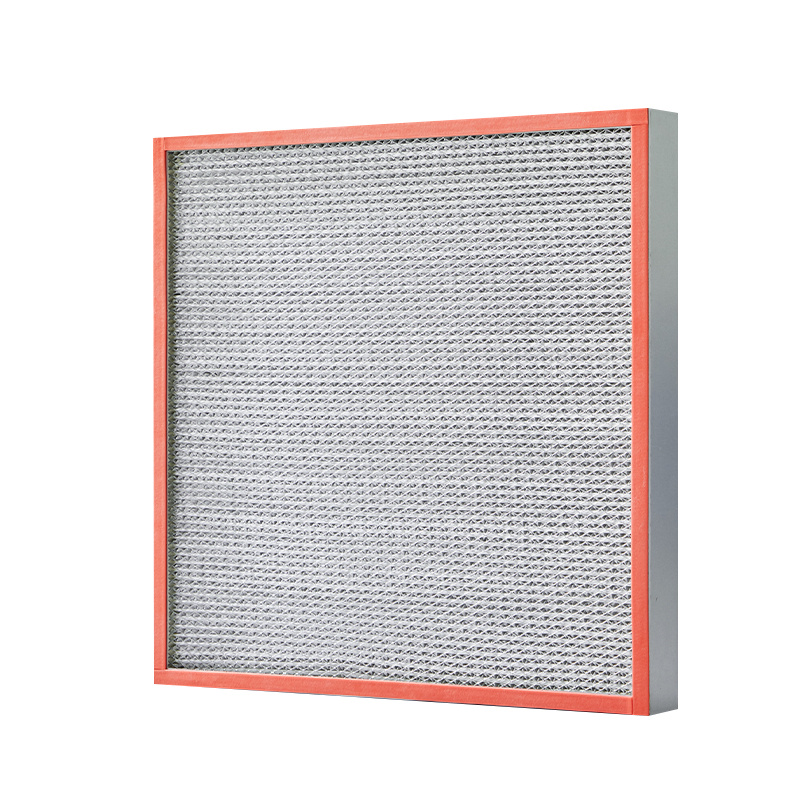
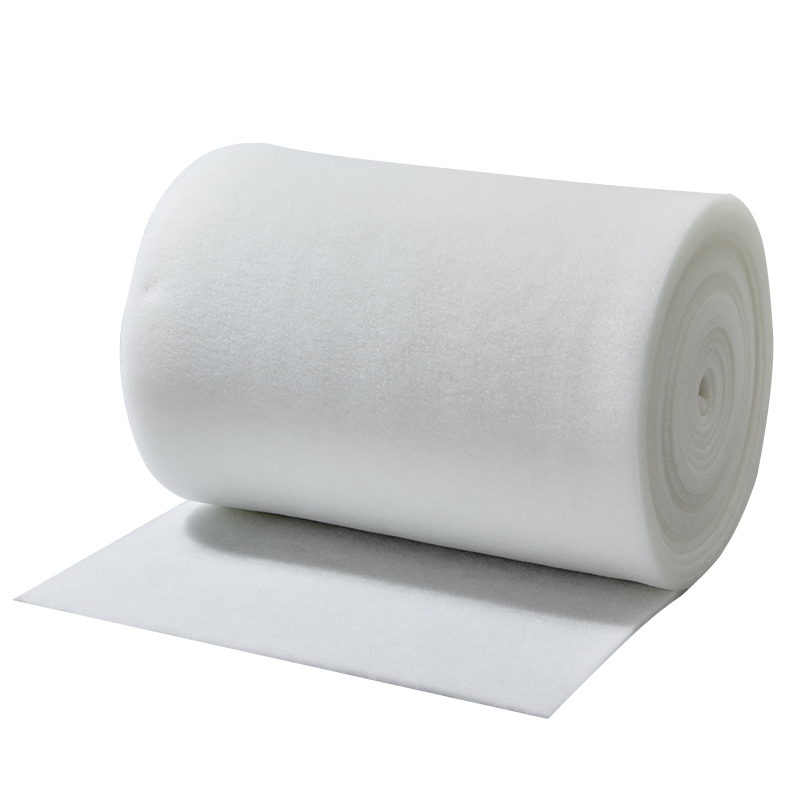
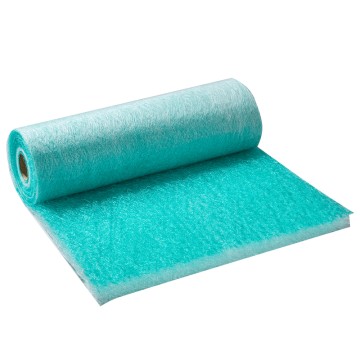
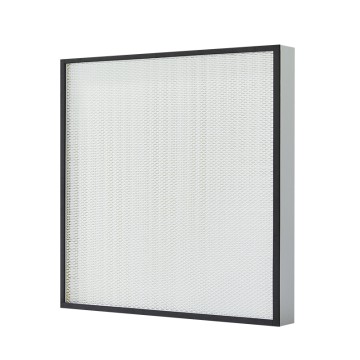

Spray Booth Air Filter flame retardant grade
Flame retardant performance is one of the most critical safety considerations for spray booth air filters, as paint overspray buildup in filtration systems creates a well-documented fire risk in automotive painting environments. Understanding how flame retardant grades are defined, tested, and applied helps workshop teams make informed choices that reduce hazard exposure while keeping their daily painting operations running reliably. This focus on fire safety does not have to come at the cost of filtration efficiency or long-term operational stability.
How Flame Retardant Grades Are Classified and Tested
Flame retardant grades for spray booth air filters are defined through standardized test methods that measure how filter media responds when exposed to direct flame or high-temperature ignition sources. These tests evaluate key behaviors including flame spread rate, afterflame duration once the ignition source is removed, and the tendency of the material to produce burning droplets that could spread fire to other parts of the booth. Different regional and industry standards set clear thresholds for these performance metrics, ensuring that filter media meets minimum safety requirements for use in spaces where flammable paint overspray accumulates. The grading process also accounts for performance after the filter has been partially loaded with real paint overspray, not just when the media is brand new, to reflect real-world workshop conditions more accurately.
Practical Safety Impacts in Spray Booth Operations
A properly rated flame retardant filter directly reduces fire risk in high-volume painting workshops in tangible, day-to-day ways. It limits the ability of a small ignition source, such as a stray spark from equipment or a nearby hot surface, to spread rapidly through layers of accumulated dry overspray trapped in the filter matrix. Even if a small fire does start near the exhaust or intake filter, a correctly graded flame retardant media will slow flame propagation significantly, giving on-site technicians more time to respond, shut down ventilation systems, and contain the hazard before it escalates. This added layer of protection also reduces the risk of filter media melting or dripping burning material into ductwork or onto surrounding workshop surfaces, which is a common cause of secondary fire spread in painting facilities.
Key Factors That Affect Long-Term Flame Retardant Performance
The flame retardant properties of spray booth filter media can change over its service life, and several common workshop practices directly influence how well it maintains its rated performance. Exposing the filter to excessive temperatures far beyond its designed operating range can break down flame retardant treatments over time, reducing their effectiveness even if the media still appears structurally intact. Allowing the filter to become overloaded with extremely thick layers of paint overspray can overwhelm the material’s inherent fire-resistant properties, creating a dense fuel layer that burns far more vigorously than the original clean media. Regularly documenting filter condition, tracking accumulated overspray load, and replacing filters before they become excessively saturated helps preserve the intended flame retardant safety margin that the grade rating was designed to deliver.
Prioritizing a clear understanding of flame retardant grades for spray booth air filters creates a safer working environment for every team member, while also supporting more consistent, compliant operation that aligns with standard industrial safety requirements for automotive painting facilities.