

How to Choose the Right Spray Booth Ceiling Filter
What Does a Ceiling Filter Do?
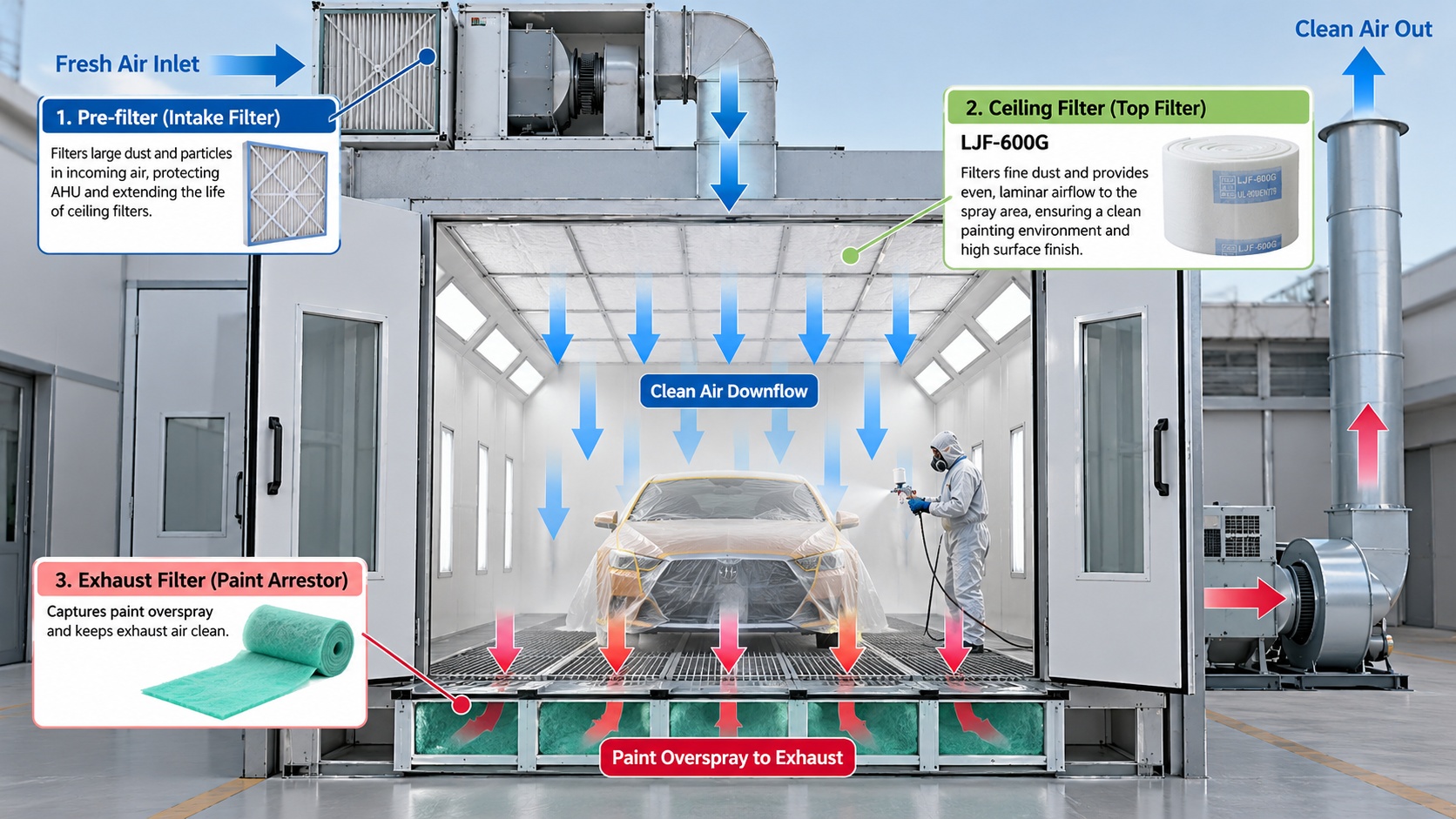
A spray booth ceiling filter is a final supply-air or intake diffusion filter, often installed downstream of a coarse pre-filter. It is not the same as an exhaust paint arrestor. Ceiling media captures dust in incoming air; exhaust media captures paint overspray before air leaves the booth. These filters face different particle loads and should not be interchanged without technical verification.
1. Match the Filter to the Booth Design
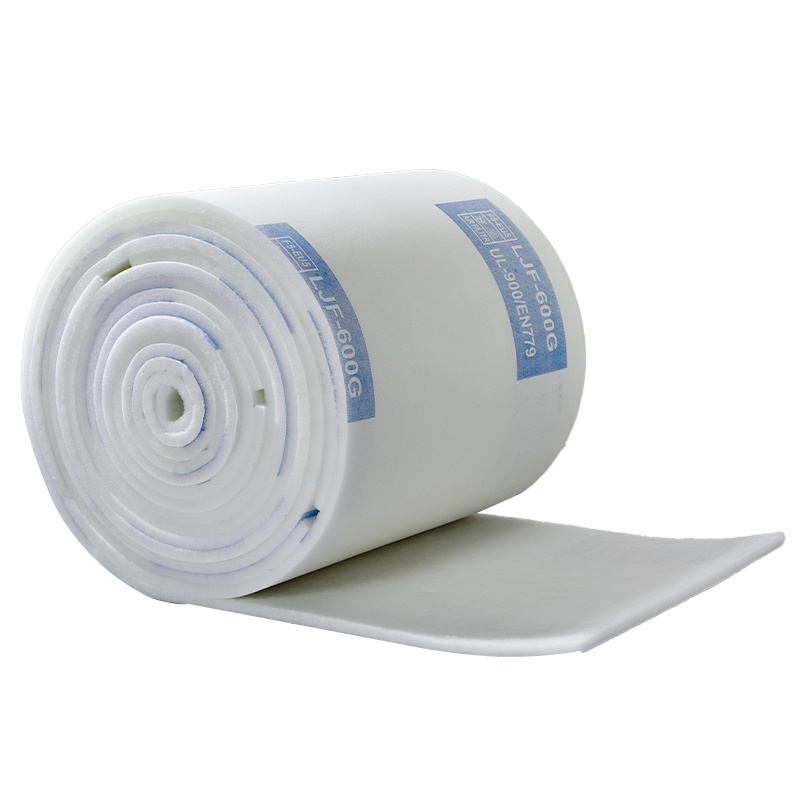
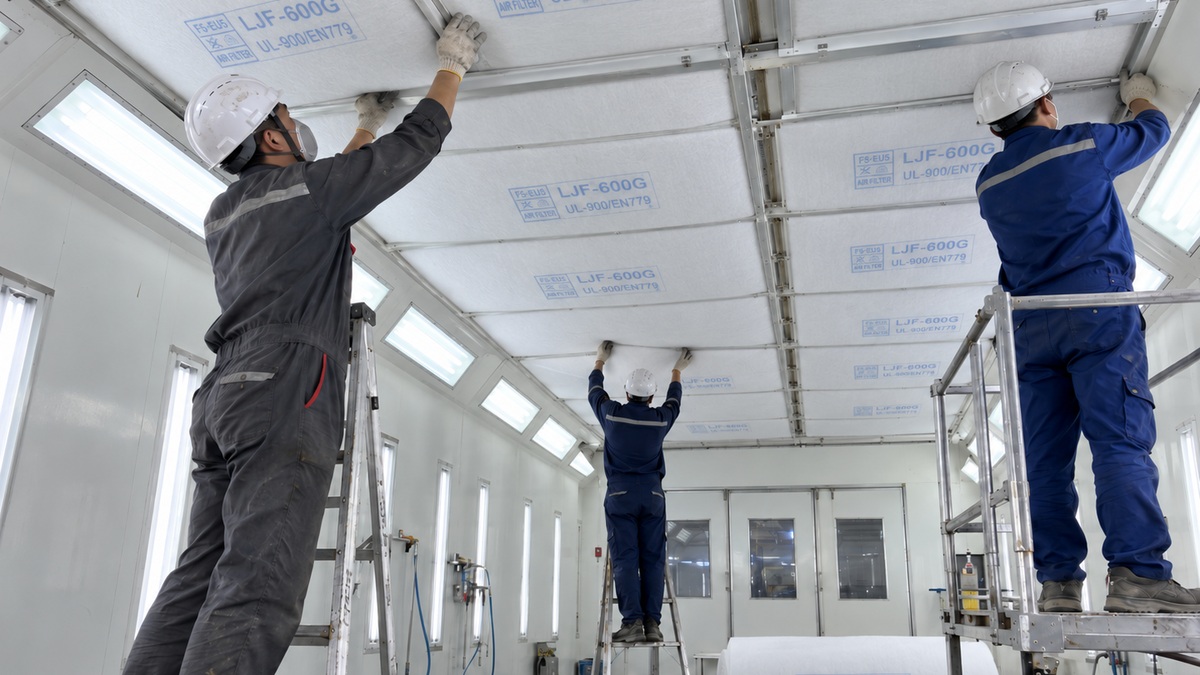
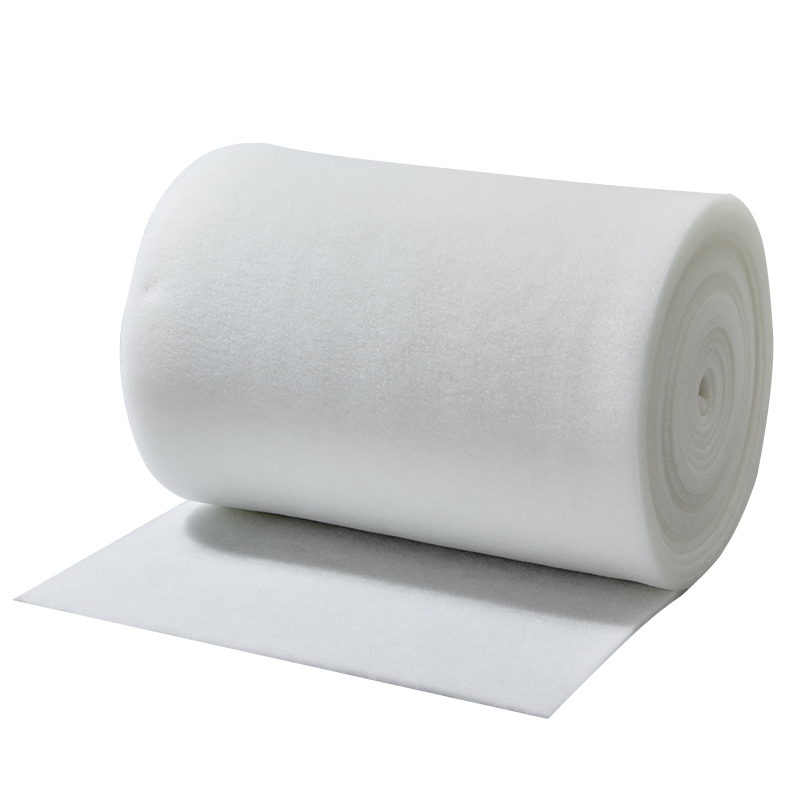
Downdraft booths normally introduce filtered air through a ceiling plenum and extract air at floor level. They often use tackified polyester ceiling media in rolls or panels. Semi-downdraft booths supply air from an upper section and exhaust it toward the lower rear; coverage and mounting details differ. Crossdraft booths move air horizontally and may use framed intake panels rather than full-ceiling media. Always check the booth manufacturer’s specification and the location of the existing filter before ordering a replacement.
2. Verify Filtration Performance—Not Just a Grade
Suppliers may describe ceiling media using legacy EN 779 grades such as F5, MERV ratings under ASHRAE 52.2, or ISO 16890 classifications. These systems use different test methods and should not be treated as exact equivalents. A designation such as “600G” is also not a universal efficiency rating; it may refer to a product grade or nominal basis weight. Ask for a technical data sheet showing the tested filtration performance, applicable standard and test conditions. Choose a grade that satisfies cleanliness needs without exceeding the booth fan’s available pressure.
3. Select the Appropriate Filter Media
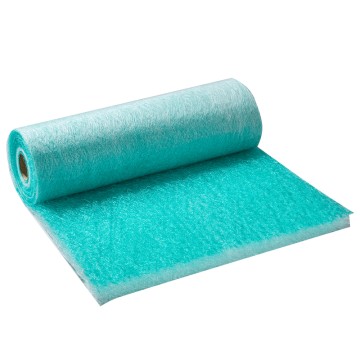
Tackified polyester is widely used for supply-air ceiling filtration. Its adhesive-treated fibers help hold captured particles, and progressive-density designs can load dust through the media depth. Fiberglass paint stop media, in contrast, is commonly designed for paint-overspray capture in exhaust systems. A standard fiberglass arrestor is not a direct substitute for a tacky ceiling filter. Compare the actual construction and intended application rather than relying on the material name alone.
4. Compare Pressure Drop and Dust Holding Capacity
Initial pressure drop is the resistance of a clean filter at a specified face velocity or rated airflow. A filter with excessive resistance may reduce supply airflow if the fan cannot compensate. Dust holding capacity indicates how much test dust the filter can retain before a defined endpoint; real-life service life also depends on upstream filtration, local dust levels and operating hours. Compare pressure-drop values only at the same face velocity and confirm the recommended final pressure drop with the filter and booth suppliers.
5. Confirm Fit, Sealing and Safety
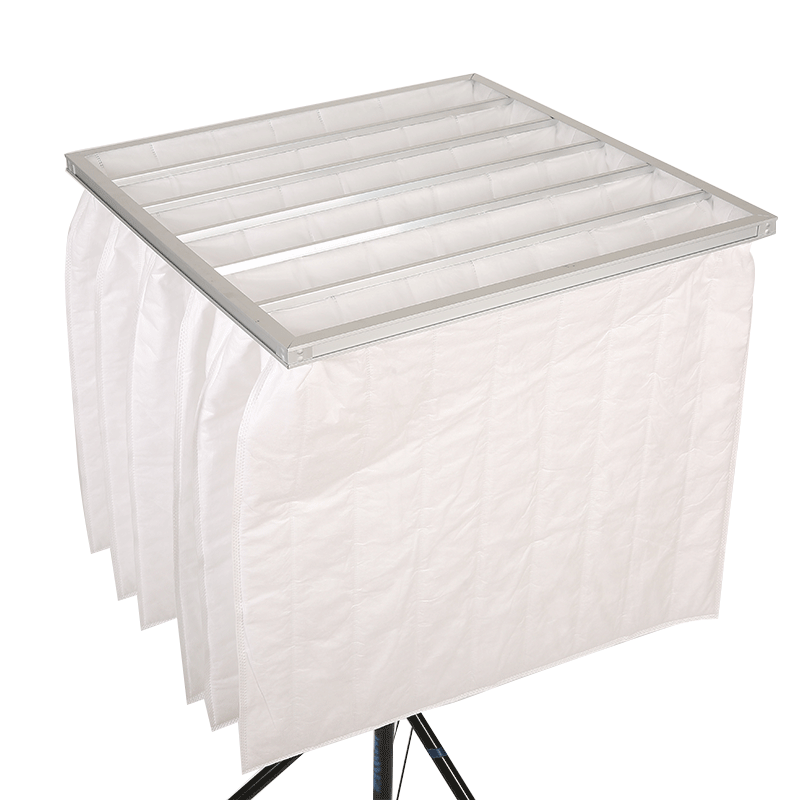
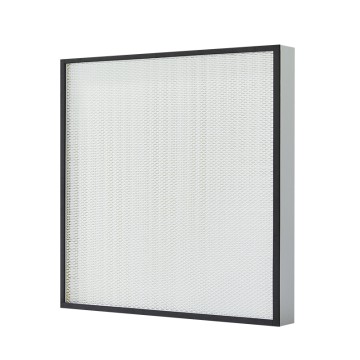
For roll media, verify width, length, thickness, cut dimensions and mounting supports. For panels, check outside dimensions, frame depth and gasket arrangement. Poor seals allow unfiltered air to bypass even an efficient filter. Also request any required fire-performance documentation and confirm suitability for booth temperatures and chemical exposure. Fire-retardant does not mean non-combustible, and particulate ceiling filters are not designed to remove gaseous VOCs.
Common Selection Mistakes
- Specifying the highest efficiency without checking fan capacity and pressure drop.
- Selecting solely by 600G, thickness or basis weight instead of tested performance.
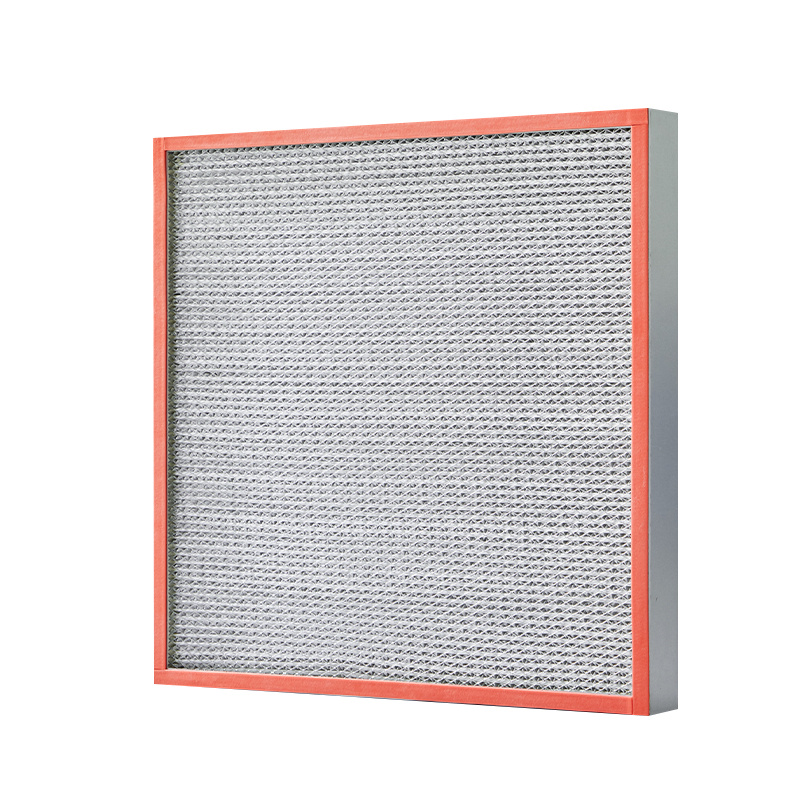
- Using an exhaust paint arrestor as a supply-air ceiling filter.
- Ignoring gaps, damaged retaining grids or incorrect installation direction.
Quick Purchasing Checklist
|
Confirm with supplier |
Information to provide or request |
|
Booth and installation |
Downdraft/crossdraft/semi-downdraft; photo of existing filter; position |
|
Size and format |
Roll or panel; dimensions; thickness; frame or support details |
|
Tested performance |
Efficiency and standard; rated face velocity/airflow |
|
Operating resistance |
Initial and recommended final pressure drop; dust loading data |
|
Safety and supply |
Applicable fire test; TDS; sample; MOQ; lead time and packaging |
Conclusion
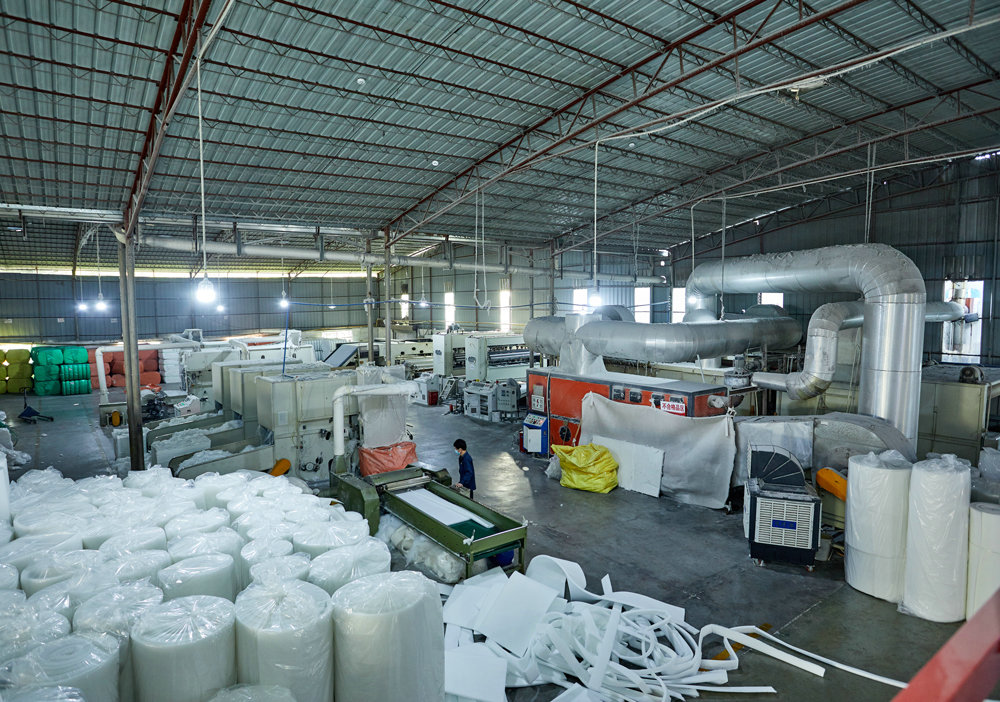
The right spray booth ceiling filter balances particle capture, airflow resistance, loading capacity and a properly sealed fit. Checking these specifications against the booth design is more reliable than selecting by grade name or price alone. LJF supplies ceiling filter media and custom-sized industrial air filters; our team can help review existing specifications and identify suitable replacement options.
Frequently Asked Questions
Is a 600G ceiling filter suitable for every booth?
No. “600G” alone does not establish efficiency or airflow performance. Check the manufacturer’s technical data sheet and the booth’s operating requirements.
How often should ceiling filters be changed?
Use the booth maker’s maintenance guidance and monitor pressure drop, contamination and physical condition. Replacement intervals vary with operating hours and incoming air quality.
Can fiberglass paint stop media replace a polyester ceiling filter?
Usually not as a direct replacement. Exhaust arrestors and supply-air diffusion filters are designed for different tasks and operating conditions.
What details should I send when requesting a quote?
Provide booth type, filter position, dimensions, photos, target airflow or face velocity, required efficiency, quantity and any fire-performance requirements.
Author: LJF Technical Team