

News

Aiming for Grade-A Environmental Compliance? It's Time to Focus on Dry Paint Overspray Separation!
Recently, the General Office of the Ministry of Ecology and Environment released a draft notice on accelerating solutions to current prominent issues in VOC management. The document pinpointed several chronic problems in VOC treatment, such as **"poorly designed treatment facilities that mismatch production systems"** and the **"widespread use of inefficient technologies like photocatalysis, photo-oxidation, and low-temperature plasma, resulting in poor treatment efficacy."** To fundamentally address the issue of non-compliant emissions, the ministry explicitly recommends that enterprises adopt mature, professional combined treatment processes.
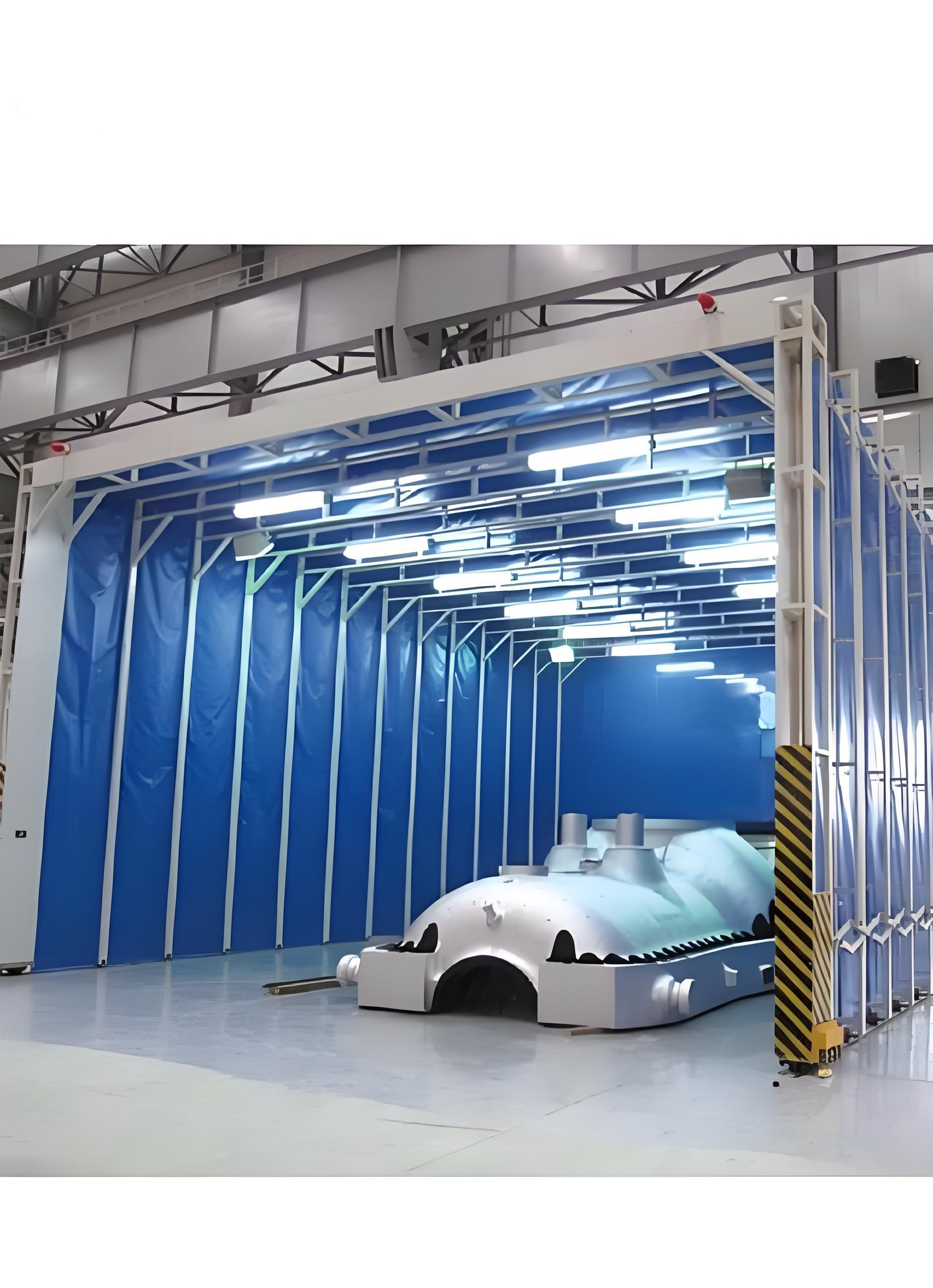
Main Applicable Industries of Mobile Extendable Spray Booths
spray booth is equipment that provides a dedicated environment for painting operations. The artificial environment created within a spray booth meets the requirements for temperature, humidity, illumination, and cleanliness for coating operations; protects the health of the operator; and manages waste emissions from the painting process, preventing environmental pollution. In general terms, it is used to promptly remove floating paint particles (mist) generated during spray painting from the site, thereby ensuring coating quality, protecting the environment, and safeguarding the health of personnel.

Core Functions of Environmental Spray Booths
An environmental spray booth, also known as a paint booth or water wash booth, is an essential piece of equipment designed to provide a controlled and safe environment for spray painting operations.

Optimal Timing for Replacing Paint Booth Filter Pads
The replacement schedule for filter pads in a paint booth is not universally fixed and depends heavily on operational conditions. Rather than adhering strictly to a timeline, it’s essential to evaluate their physical condition and the booth’s performance to determine the right time for replacement.
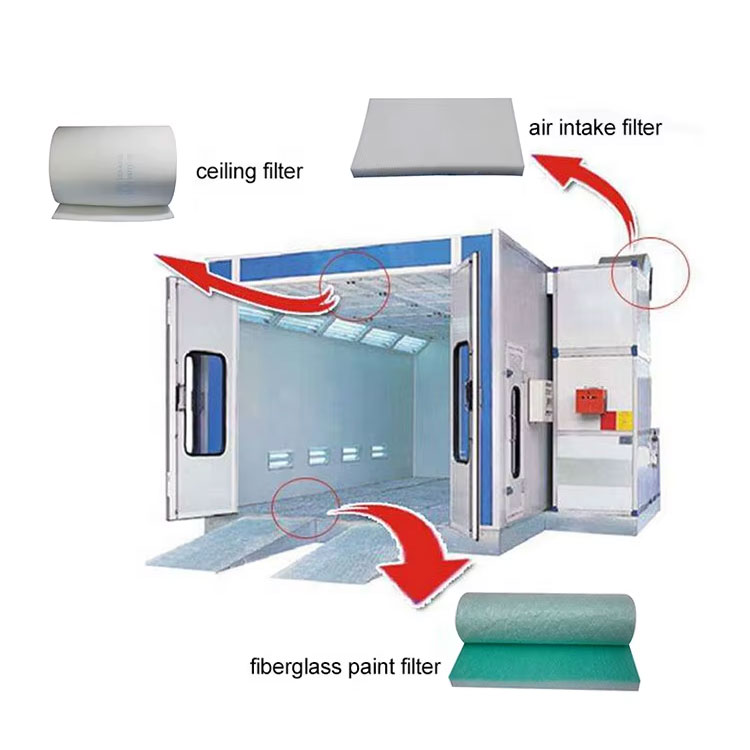
The function of various air filter media in the paint booth
With the increasing national emphasis on environmental protection, the emission issues from the essential painting processes in manufacturing have drawn growing attention. The working environment for painting has seen significant improvements, with most operations now equipped with spray booths. Currently, there are two primary bottom structures used to treat exhaust gases from spray booths:
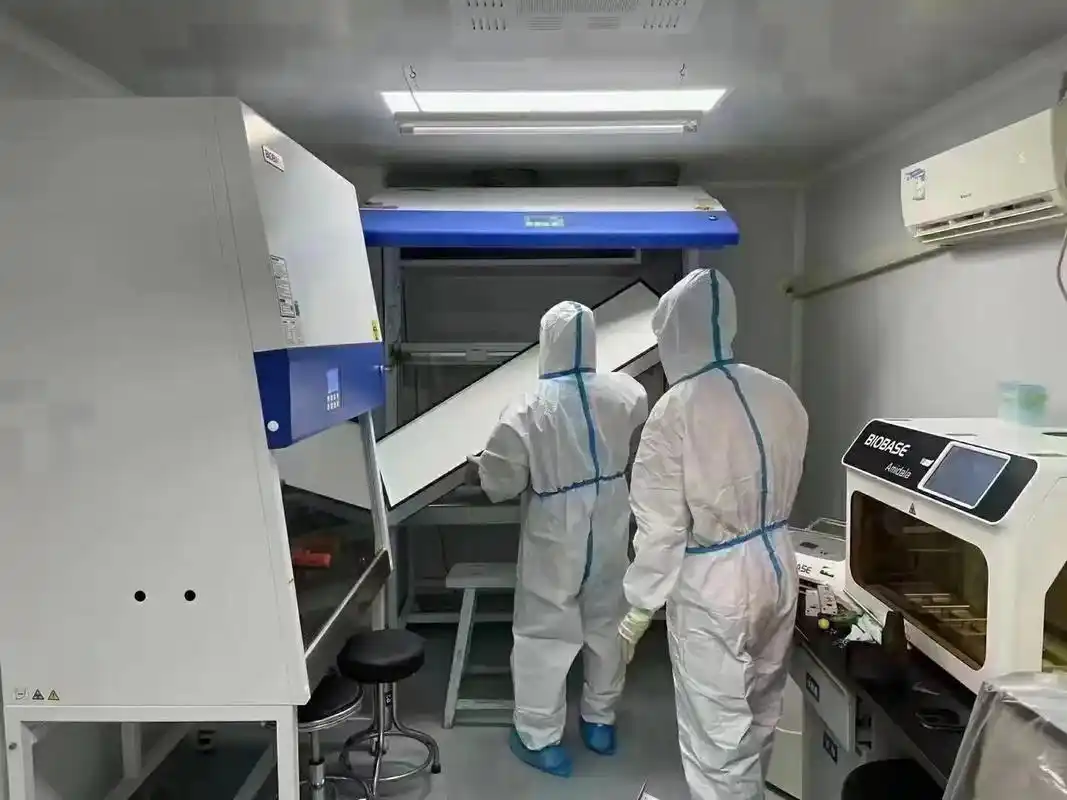
Professional Installation of HEPA Filters: The Critical Barrier for Cleanroom Air Quality
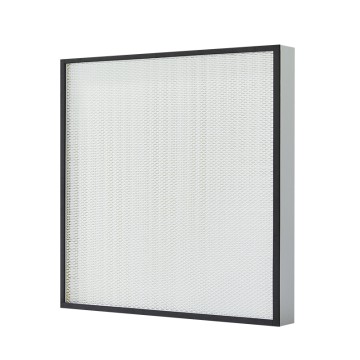
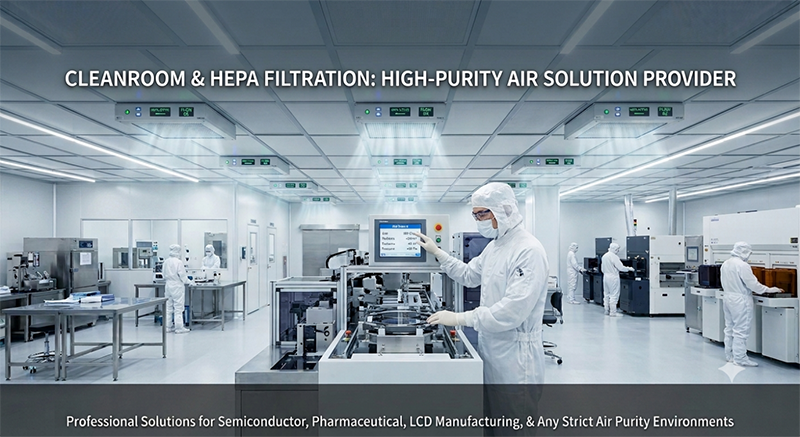
In precision manufacturing, biopharmaceuticals, and the electronics industry, cleanrooms function like meticulously operating organs, with High-Efficiency Particulate Air HEPA filter serving as their essential "lungs." Professionally standardized installation directly determines the environmental stability of cleanrooms and product yield rates.

Guide to Replacement Of Spray Booth Filters
Spray booth filters are critical components of the air purification system. Their primary role is to efficiently capture airborne suspended particles (such as dust and fibers), ensuring air cleanliness within the spray environment. Through a physical filtration mechanism, airborne contaminants are trapped within the fiber network, significantly improving air quality during painting operations.
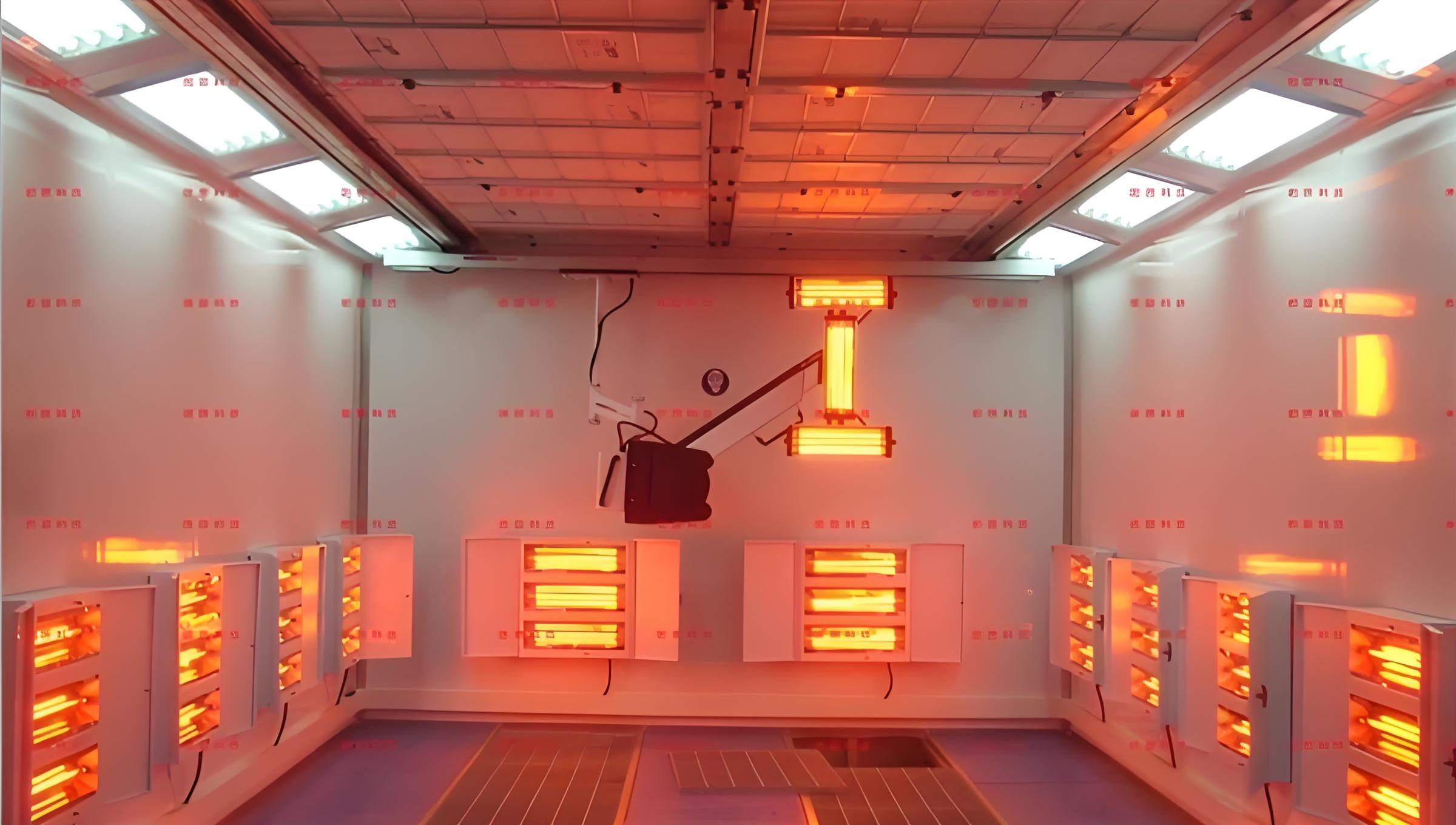
Core Configurations and Functional Analysis of High-Temperature Paint Baking Booth
In the industrial coating field, high-temperature paint baking rooms have become essential equipment for surface treatment due to their energy efficiency and high performance. Compared to traditional baking rooms, their structural design is more streamlined, optimizing pipeline layouts and heating systems to significantly reduce energy consumption and failure rates. Below is a detailed breakdown of their core configurations and functional advantages across six dimensions.
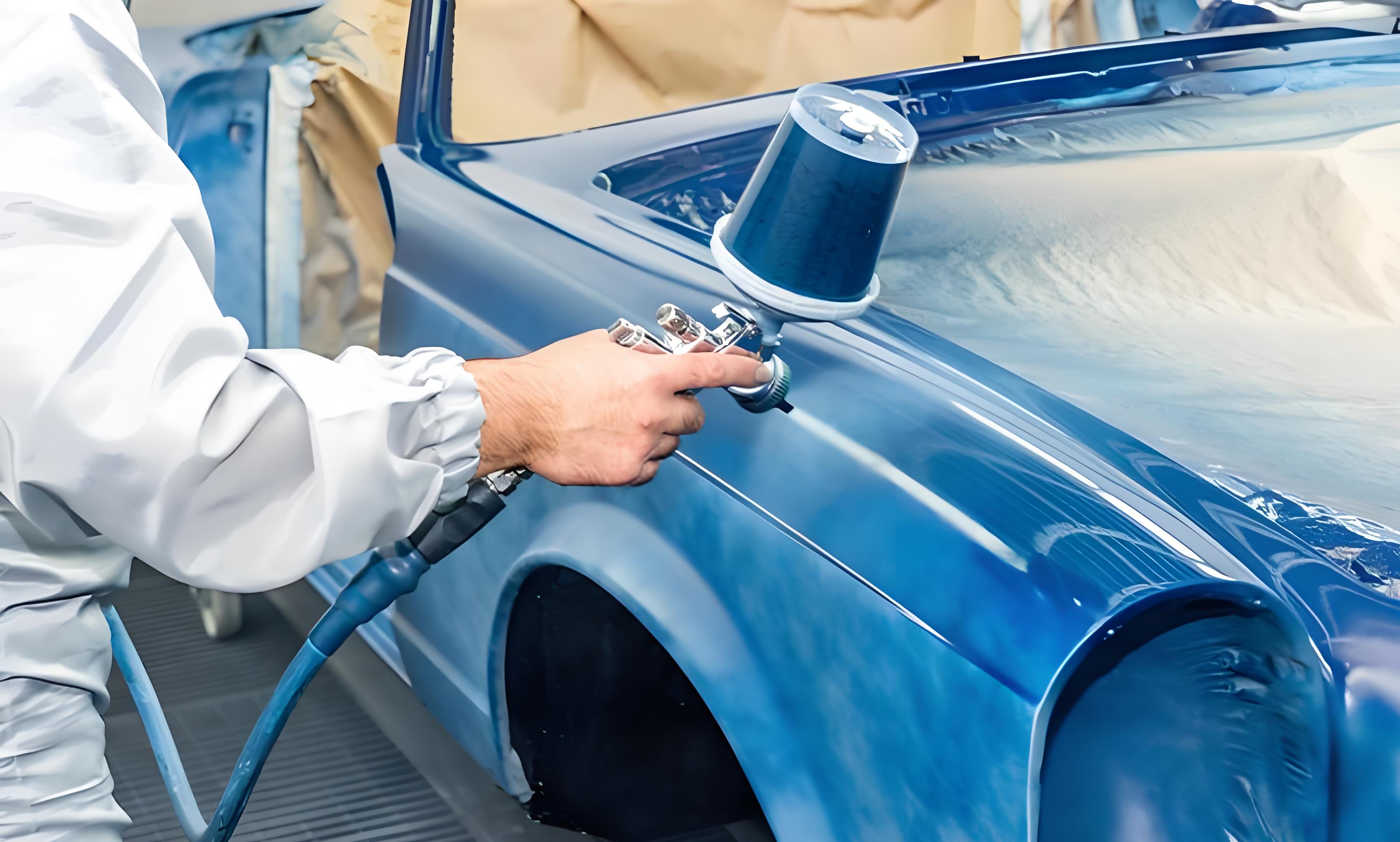
Comprehensive Treatment Technologies for Spray Coating Industry Exhaust Gases
Spray coating operations generate exhaust gases containing benzene series, esters, volatile organic compounds (VOCs), and suspended particulate matter, posing significant threats to ecosystems and human health. With increasingly stringent environmental regulations, the industry urgently requires efficient and cost-effective exhaust gas treatment systems. Current technologies have evolved from single purification methods to multi-stage collaborative treatment systems, combining physical adsorption, thermal decomposition, and phase-change processes to achieve compliant emissions. This article provides a detailed analysis of mainstream treatment technologies and innovative applications, offering insights for pollution control in the industry.
Technical Analysis of U15, U16, and U17 Ultra-High Efficiency Filters
In the field of air purification, U15, U16, and U17 ultra-high efficiency filters form a rigorous filtration hierarchy. Their core differences lie in filtration precision, structural design, and targeted application scenarios. All three classes are validated using the MPPS (Most Penetrating Particle Size) testing method, but their performance parameters exhibit tiered improvements.