
Industry News
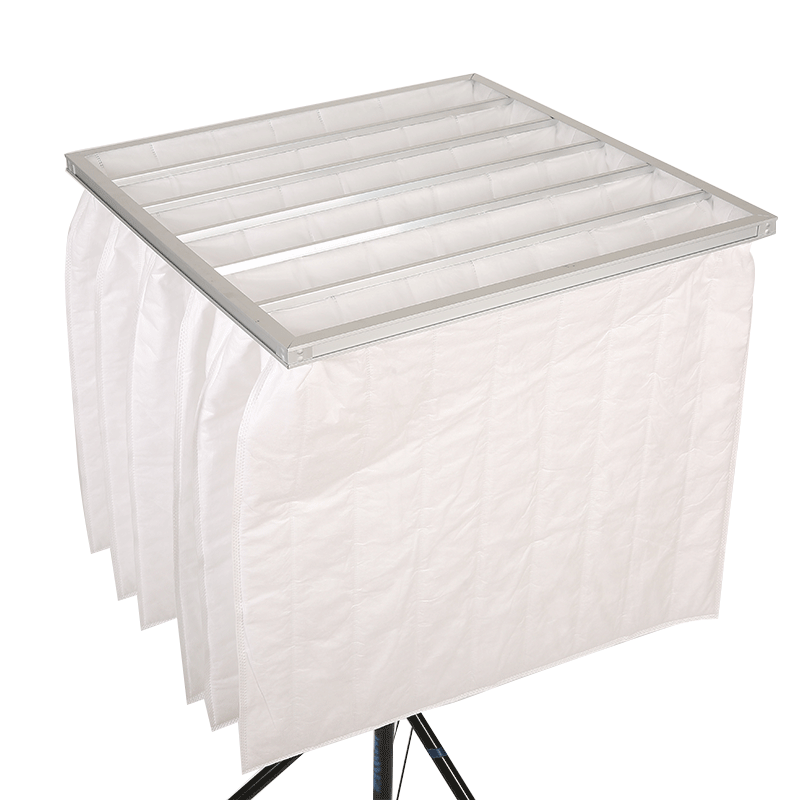
F7 vs. F8 vs. F9 Pocket Filters: How to Choose for Your AHU
Choosing the right pocket filter for an Air Handling Unit (AHU) is not simply a matter of selecting the highest filtration efficiency. F7, F8, and F9 filters are all designed to capture fine airborne particles, but they differ in particle removal performance, airflow resistance, operating requirements, and suitability for different indoor environments.
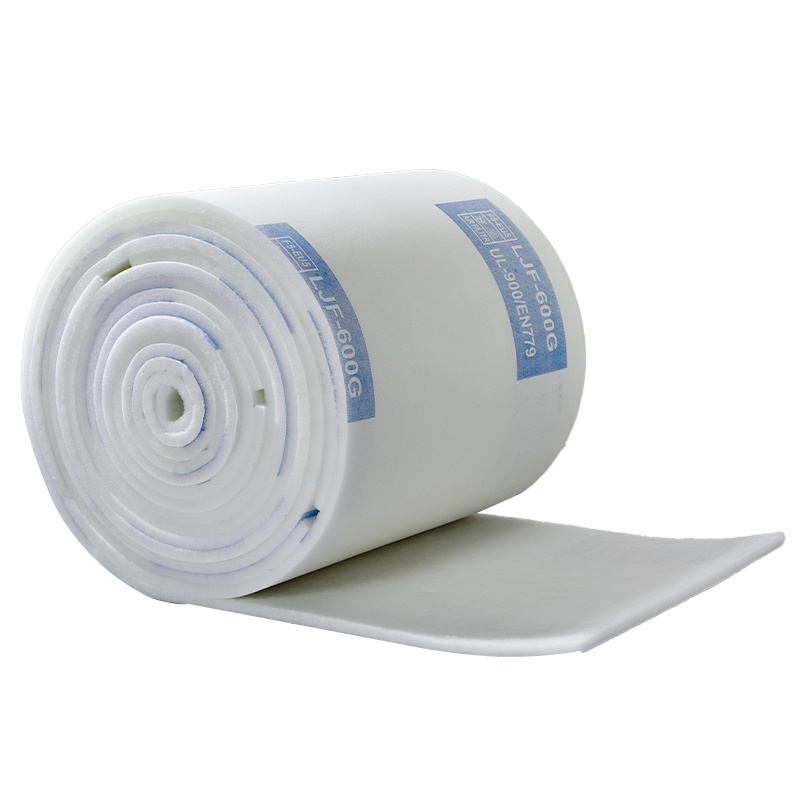
What Does 600G Mean in Spray Booth Ceiling Filter Media?
n industrial painting and automotive refinishing, maintaining clean and consistent airflow is essential for achieving a high-quality surface finish. Even small airborne dust particles can settle on freshly painted surfaces, resulting in defects, additional polishing, and costly rework. This is why spray booth ceiling filter media plays an important role in modern paint booth ventilation systems.
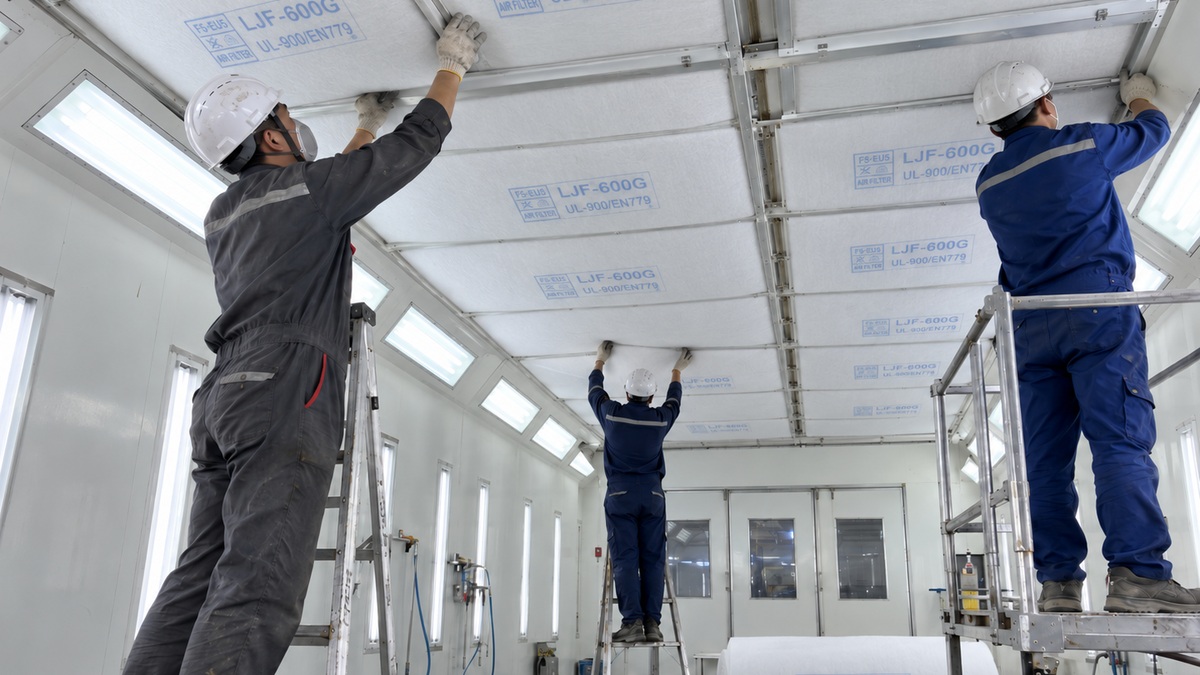
How to Choose the Right Spray Booth Ceiling Filter
Clean supply air is essential for consistent paint finishes. In downdraft spray booths, the ceiling filter removes airborne particles before air reaches the vehicle or coated part. It also helps distribute supply air across the ceiling, supporting stable airflow through the work area. A poorly selected or installed filter can increase dust inclusions, disrupt ventilation and lead to rework. Orange peel can be influenced by airflow and application conditions, while fisheyes are more commonly linked to oil, silicone or other surface contamination. Choosing a filter therefore requires more than matching its thickness or price.
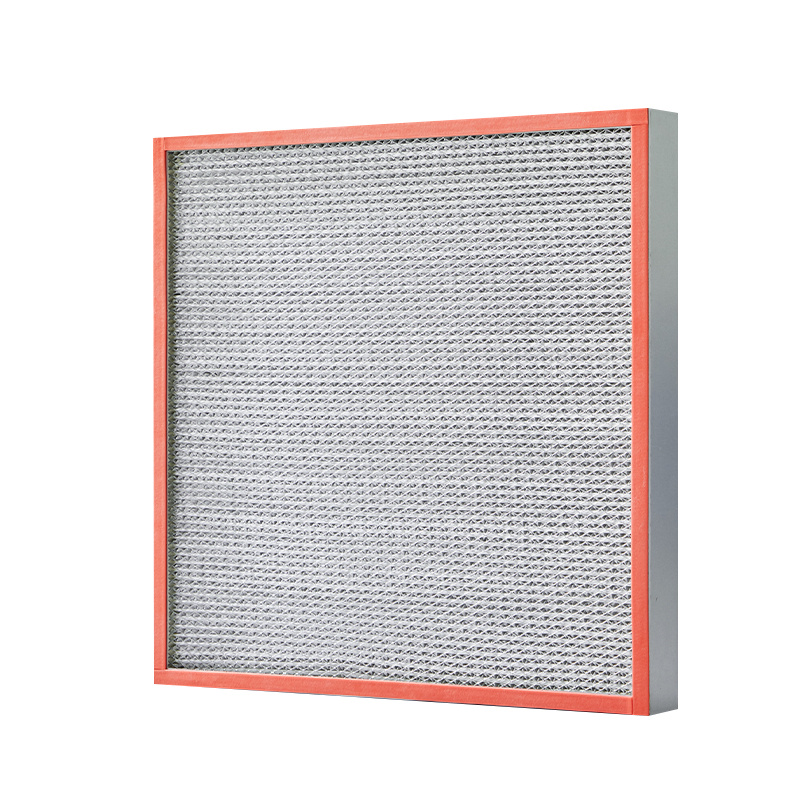
V-Bank vs. Deep Pleat: Which HEPA Filter Design Offers Better Longevity and Airflow?
When specifying final-stage HEPA filtration for cleanrooms, hospital HVAC systems, pharmaceutical manufacturing, laboratory air handling units (AHUs), and semiconductor production environments, two dominant designs rise to the top: V-Bank (V-cell / W-type compact HEPA) and Deep Pleat box HEPA filters. Engineers and facility managers frequently ask: which delivers better sustained airflow, longer service life, and lower total operating cost?
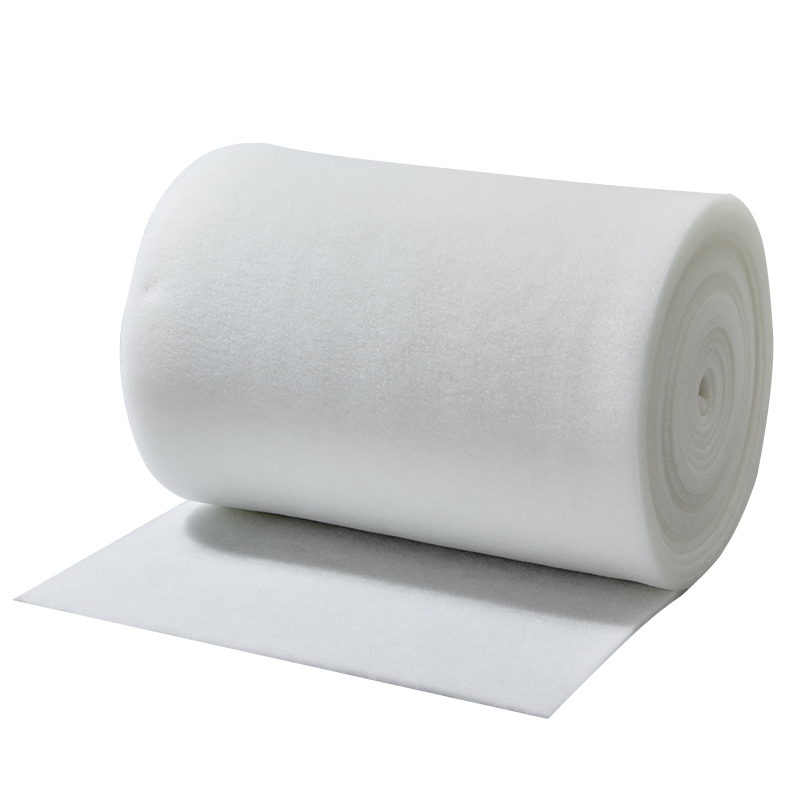
G3 vs. G4 Pre-Filters: How to Choose the Right Initial Filtration for Industrial Systems
Pre-filters are the least glamorous component in any industrial air filtration system — and one of the most expensive to get wrong. Choose too coarse, and your main filter loads up prematurely, driving up pressure drop, fan energy, and replacement frequency. Choose too fine, and the pre-filter itself becomes the bottleneck: it clogs faster, its pressure drop climbs rapidly, and the effective protection period shrinks. According to a controlled two-stage filtration study published in Separation and Purification Technology, the G4 pre-filter achieves the highest overall performance index (T**), outperforming both the lower-efficiency G3 by higher capture efficiency and the higher-efficiency M5 by a longer effective protection period[reference:0].
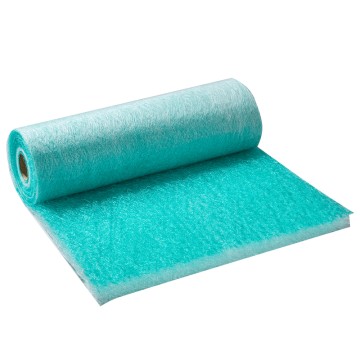
Fiberglass vs. Synthetic: A Comprehensive Pros and Cons Guide for Paint Booth Filters
The short answer: Both fiberglass and synthetic polyester exhaust filters can meet the EPA NESHAP 6H requirement of capturing at least 98% of paint overspray by weight. Neither is inherently "more compliant." The real decision comes down to four operational variables — upfront cost, overspray-holding capacity, airflow stability across the filter's service life, and disposal handling. This guide breaks down each variable with data, field experience, and a clear decision framework.
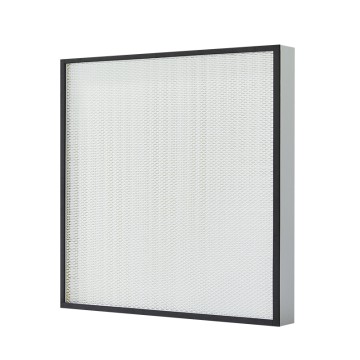
HEPA H13 vs. H14 Which Efficiency Level Does Your Cleanroom Actually Need
Choosing between H13 and H14 HEPA filters looks simple on a specification sheet: H13 is rated at ≥99.95% efficiency at MPPS, while H14 reaches ≥99.995%. But cleanroom filtration is rarely that simple. The filter grade is only one part of the contamination-control system.
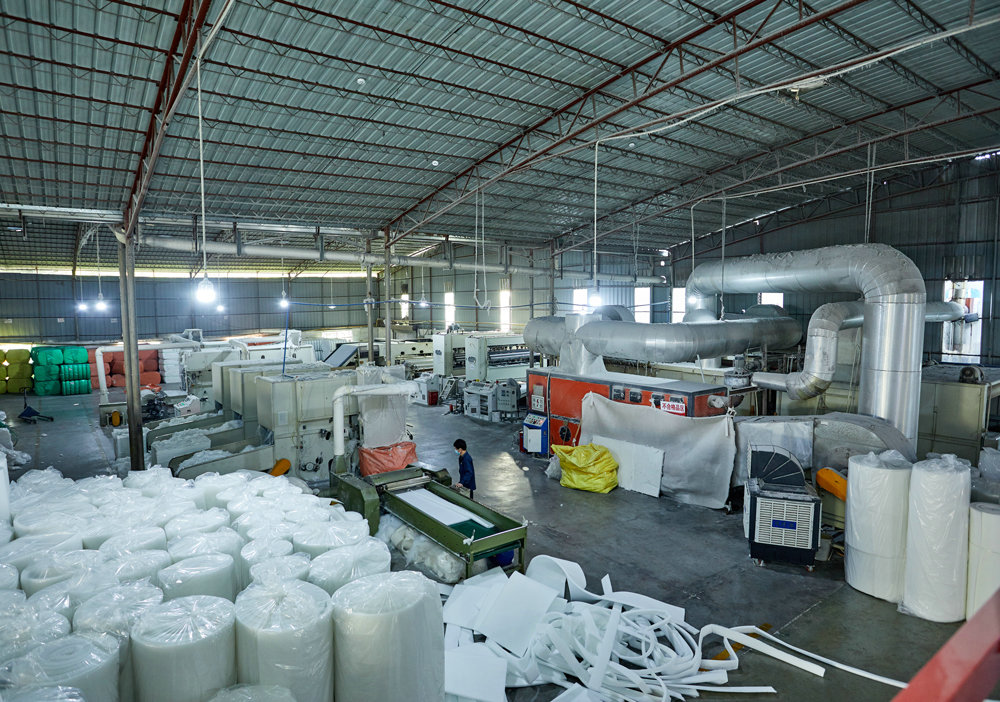
Spray Booth Air Filter inspection routine procedures
Start every inspection routine with a fast, non-intrusive check that requires no disassembly or booth downtime.

Spray Booth Air Filter airflow restriction troubleshooting
Before opening any access panel or replacing any component, start by verifying the real operational state of the spray booth to avoid unnecessary disassembly work.
Spray Booth Air Filter for reducing paint surface defects
Even small airborne contaminants that are invisible to the naked eye can create visible, costly flaws on finished painted surfaces.