Leave Your Message
In the realms of pharmaceutical manufacturing and high-stakes laboratory research, air is more than just a breathable resource—it is a potential carrier of contaminants that can jeopardize years of research or compromise the safety of life-saving drugs. Industrial HEPA (High-Efficiency Particulate Air) filters stand as the primary line of defense in clean air systems, designed to trap 99.97% of particles as small as 0.3 microns.
For sterile drug preparation, the environment must meet stringent ISO 5 standards. Industrial HEPA filters ensure that the unidirectional laminar flow remains free of microbial flora and inert particles, preventing cross-contamination during the filling and capping processes.
The global pharmaceutical industry is shifting toward "Quality by Design" (QbD), where air filtration is no longer an afterthought but a core component of the facility's architectural integrity. As we move toward 2025, the demand for H14 and U15 grade filters is surging, driven by the rise of biologics and cell-based therapies that require ultra-clean environments.
In laboratories handling hazardous pathogens or volatile chemicals, HEPA filters do more than protect the product; they protect the personnel. Exhaust HEPA filters must be meticulously tested for leaks to ensure that no biological agents escape into the laboratory environment or the outside atmosphere.
In pharmaceutical plants, the APA requires a constant supply of HEPA-filtered air to maintain positive pressure. This prevents unfiltered air from entering the clean zone. Industrial HEPA filters with gel seals are often preferred in these scenarios to provide an airtight fit that traditional gaskets might not guarantee over long-term operation.
Energy consumption in cleanrooms is a major operational cost. The latest trend in Industrial HEPA Filter design is the use of low-pressure-drop media. By reducing the resistance to airflow, facilities can significantly lower the energy usage of their HVAC fans while maintaining the same level of filtration efficiency.
Laboratories dedicated to animal research require specialized filtration to manage dander, odors, and potential allergens. HEPA systems here are often paired with molecular (carbon) filters to ensure a healthy environment for both the research subjects and the technicians.
Our premium air filter products are crafted to enhance indoor air quality, lower maintenance expenses, and optimize the efficiency of HVAC systems. We are committed to delivering top-notch products that effectively tackle our clients' filtration needs.
One of our primary strengths is our competitive pricing. We recognize the significance of delivering high-quality air filters at reasonable prices, enabling our customers to lower their maintenance expenses without compromising quality.
With over 10 years of experience, we provide custom filters to meet specific needs. No matter how complex your system, our team is committed to providing a tailored solution to ensure optimal performance.
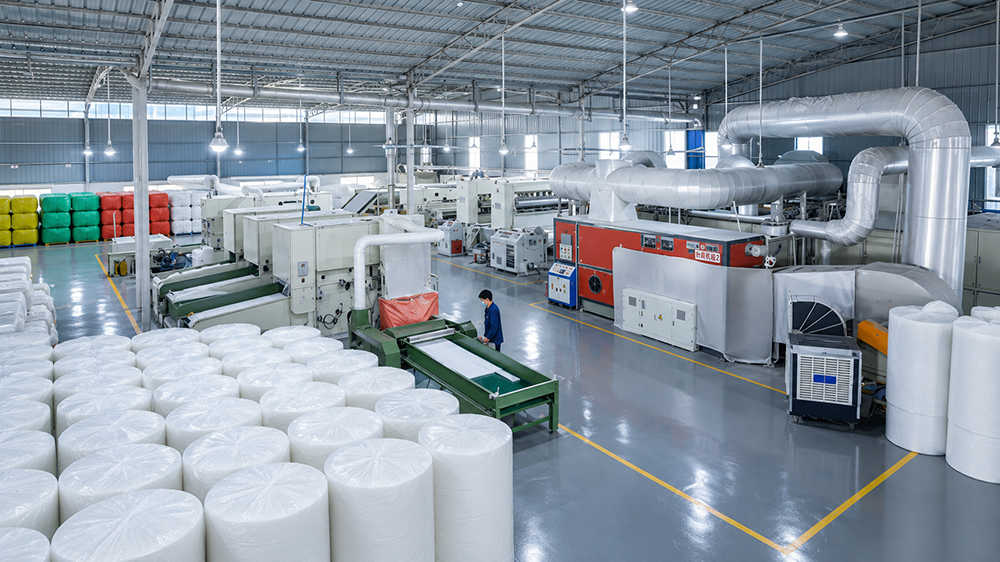
Traditionally, Industrial HEPA filters utilized micro-glass fiber media. While effective, glass fiber can be fragile. The industry is seeing a significant shift toward ePTFE (expanded Polytetrafluoroethylene) membranes. These membranes offer superior durability, lower pressure drop, and higher resistance to harsh cleaning chemicals used in pharmaceutical decontamination (like vaporized hydrogen peroxide).
Every Industrial HEPA Filter destined for a laboratory or pharmaceutical cleanroom must comply with international standards such as EN 1822 or ISO 29463. These standards classify filters based on their MPPS (Most Penetrating Particle Size) efficiency. For pharmaceutical Grade A/B zones, H14 class filters are the minimum requirement, ensuring 99.995% efficiency.
Installing a high-quality filter is only the first step. In pharmaceutical environments, periodic "integrity testing" (often using PAO or DOP aerosol) is mandatory. This ensures that the filter media, the frame, and the seal are all performing as expected. Any leak, no matter how small, can lead to a "failed batch," costing companies millions of dollars.
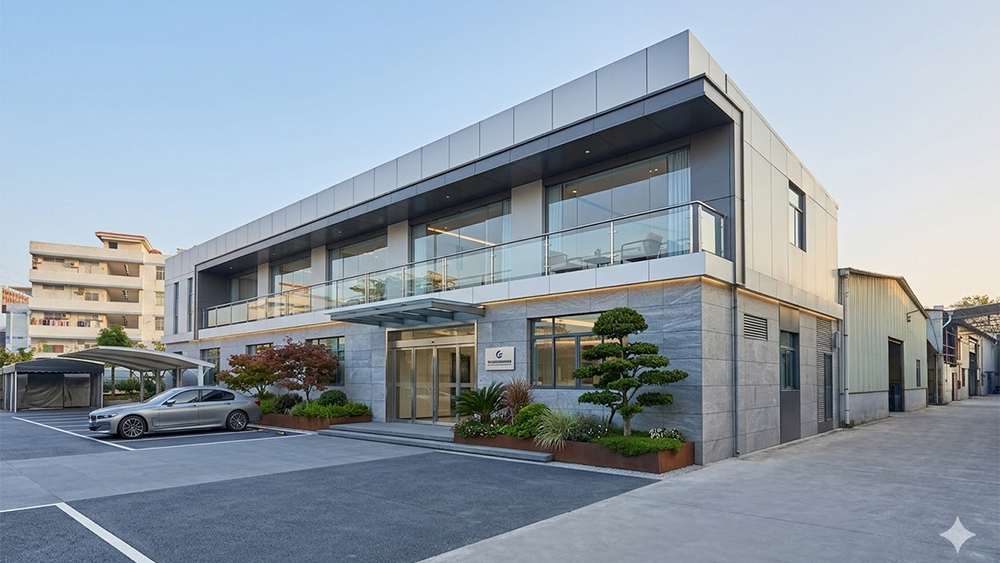
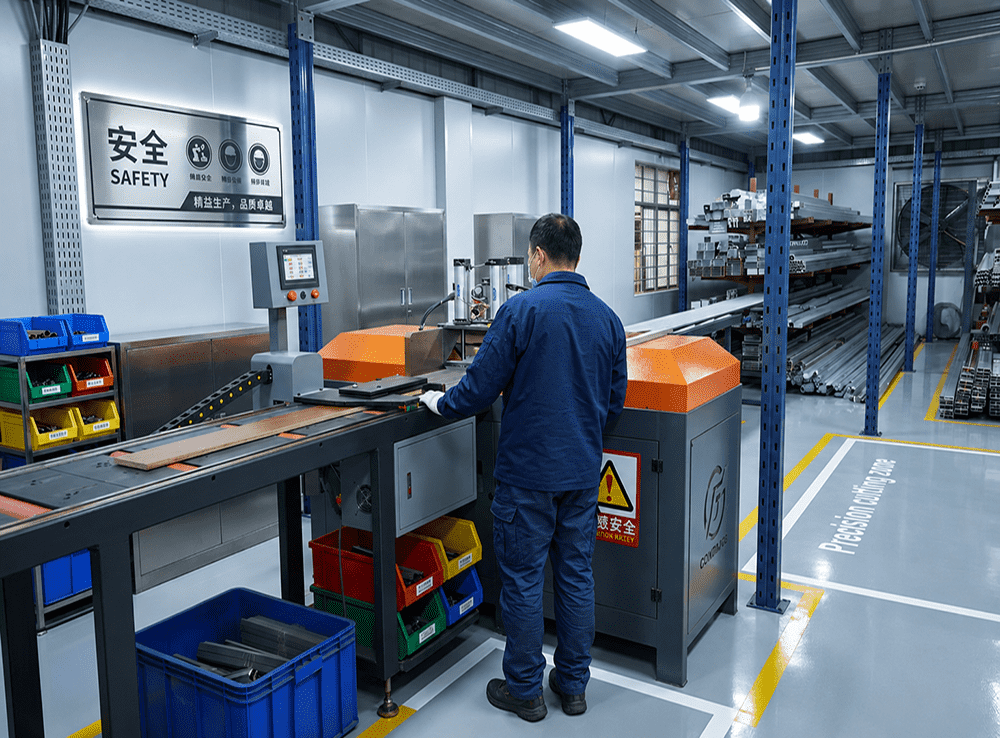
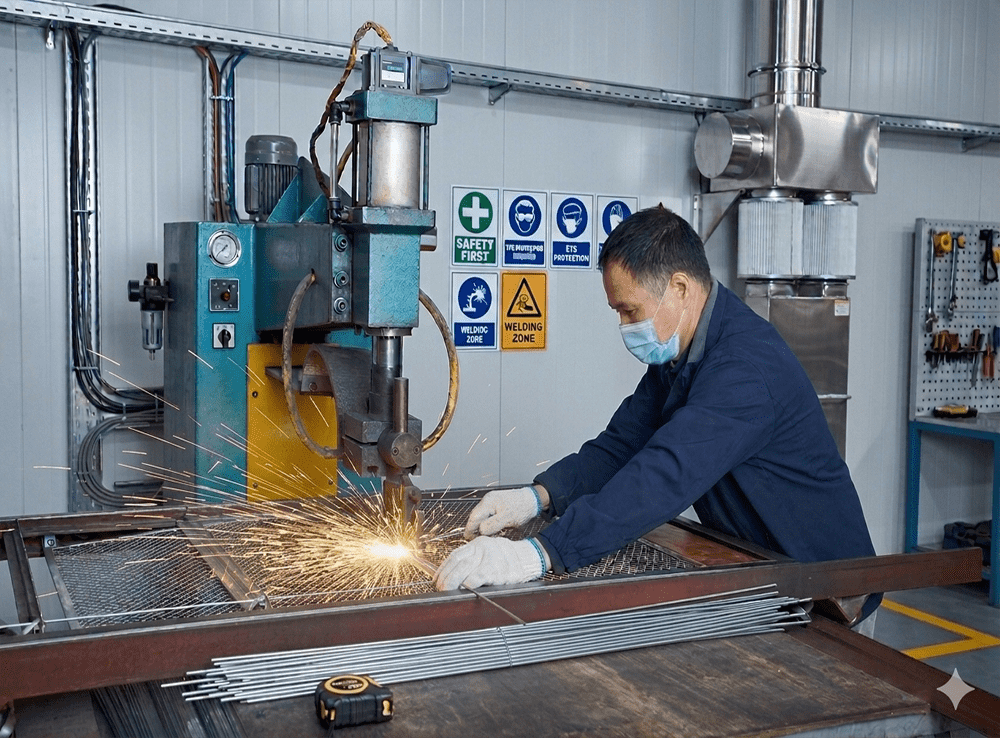
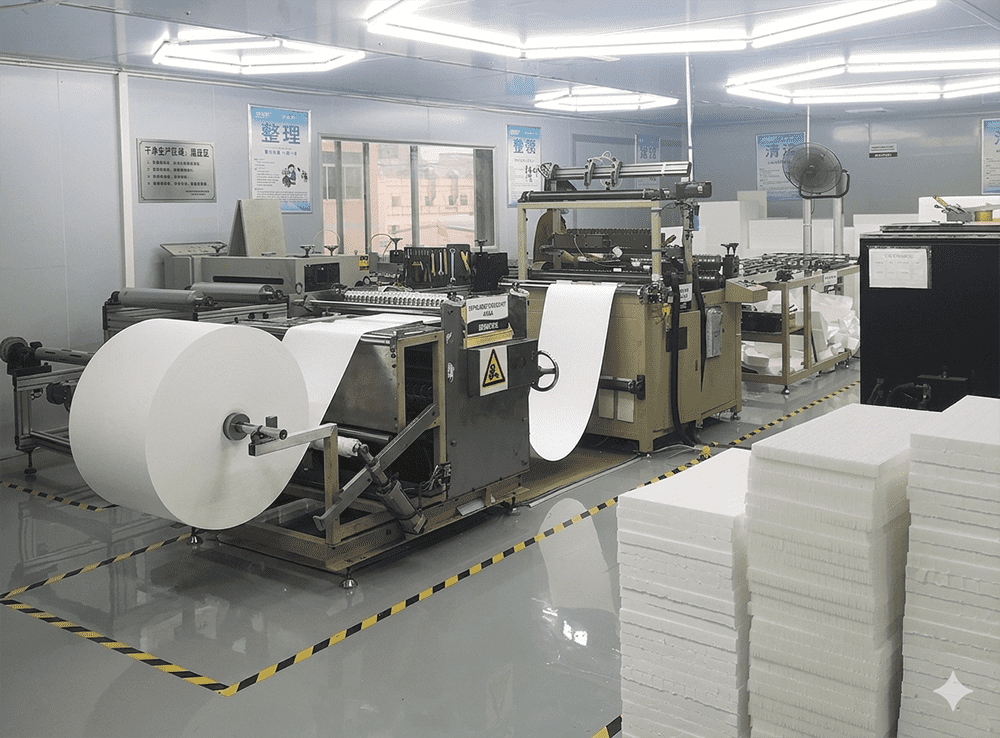
At Guangzhou LJF, we recognize that each customer has unique needs. We provide customized solutions to meet specific needs, whether it is a specific size, material or filtration efficiency.
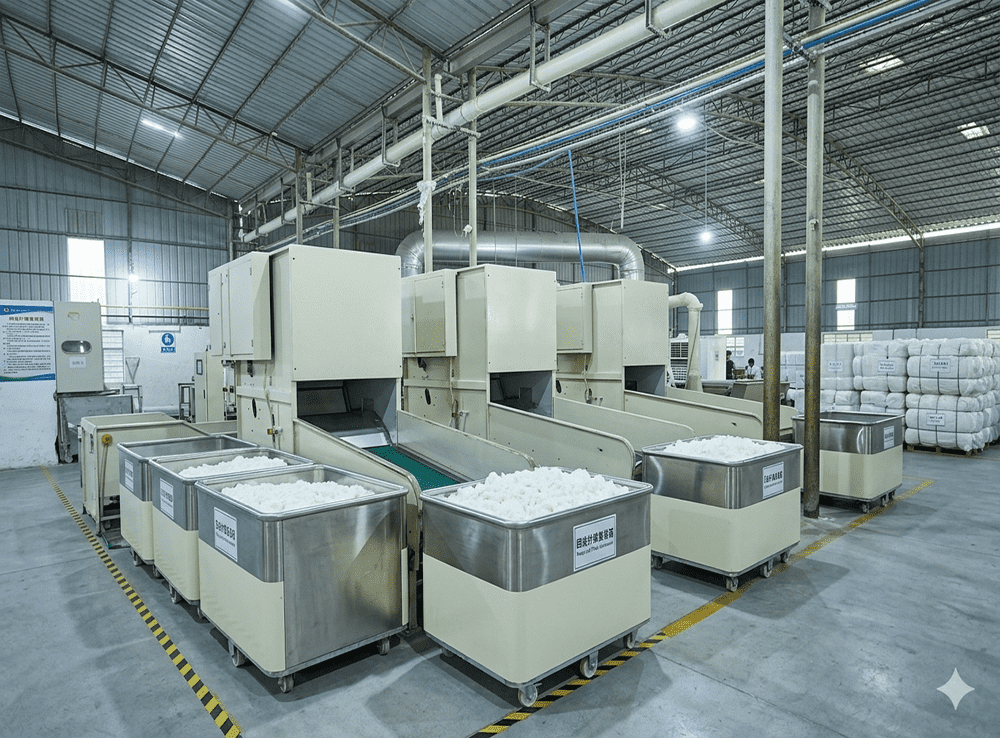
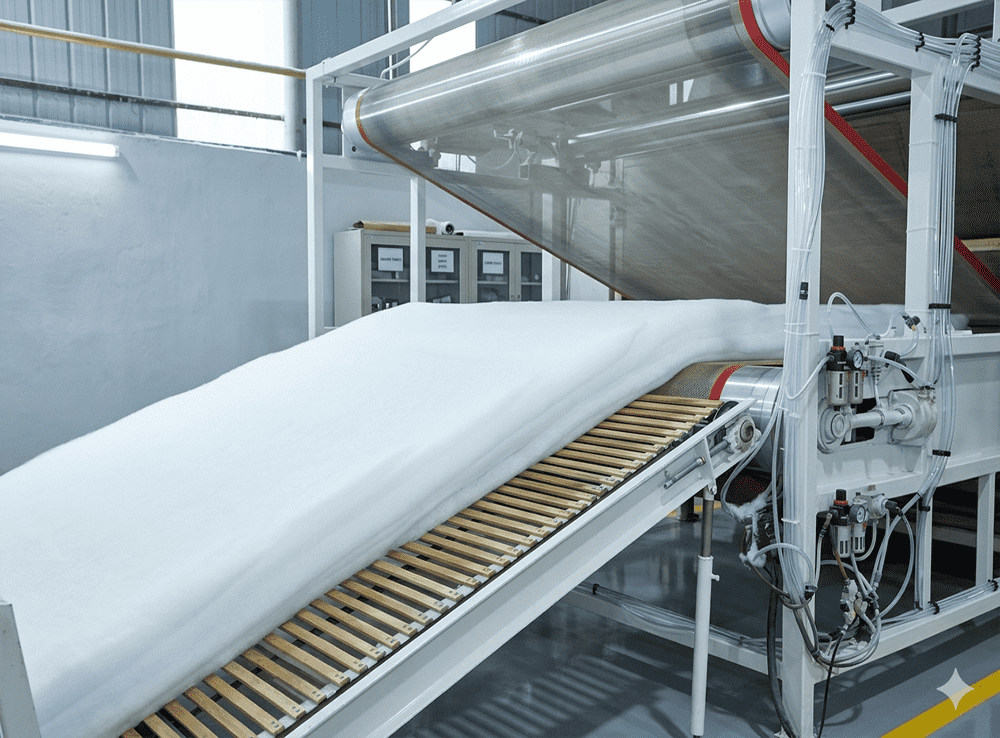
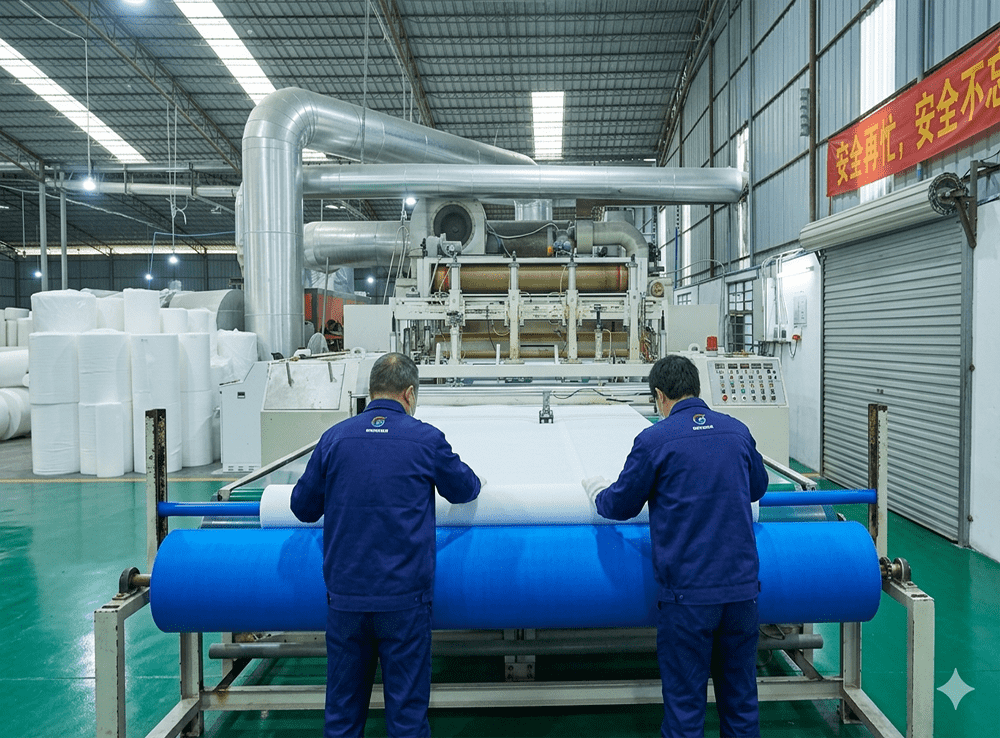
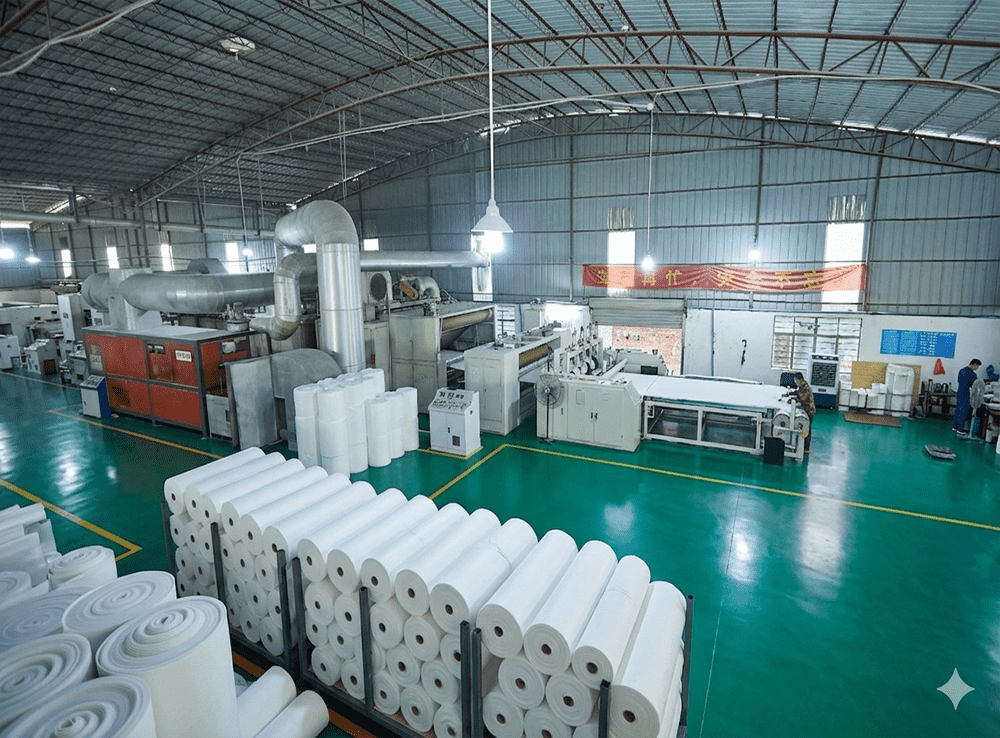
As we look toward the future of Industrial HEPA Filter For Pharmaceutical And Laboratory Clean Air Systems, technology is becoming more integrated. "Smart Filters" equipped with RFID tags and pressure sensors are now entering the market. These systems can communicate directly with the building's BMS (Building Management System), notifying maintenance teams exactly when a filter needs replacement based on real-time performance data rather than a fixed schedule.
This predictive maintenance approach reduces downtime in labs and ensures that pharmaceutical production never occurs under sub-optimal air quality conditions. Furthermore, AI-driven simulations are being used to design better airflow patterns in cleanrooms, allowing for the strategic placement of HEPA filters to eliminate "dead zones" where contaminants might settle.
In conclusion, the Industrial HEPA filter is much more than a component; it is the heartbeat of the cleanroom. For pharmaceutical companies and laboratories, choosing the right filtration partner means choosing safety, compliance, and efficiency. Guangzhou LJF continues to innovate in this space, providing the high-quality, cost-effective solutions required by the world's most demanding industries.