Keeping the air quality in paint booths at a high level is really important if you want that perfect, high-quality finish. One common question that pops up is, 'How often should I be changing those filters?' The truth is, good filtration is key for blocking out harmful dust and pollutants. When you understand how often to swap out filters, it helps your team work more efficiently and keeps everyone safer.
Now, those paint booth exhaust filters play a huge part here. They catch overspray and nasty particles, making sure the air stays clean inside the booth. If you ignore replacing them when needed, performance can really take a hit. You might end up with paint that doesn’t stick well, surface imperfections, or even put your workers’ health at risk. Plus, it can slow down production since you’ll be spending more time cleaning and fixing issues.
From what I’ve seen, a lot of companies kind of ignore the importance of changing filters on time. They only realize it’s a problem when filters look super dirty, but that’s kinda late. It’s really better to check on them regularly and replace before things get messy to stay within safety rules and keep everything running smoothly. Being proactive not only makes for a safer work environment but also helps you get better quality results in the end.
Factors Influencing Paint Booth Filter Replacement Frequency
The frequency of replacing Paint Booth Filters is influenced by several critical factors. One primary aspect is the volume of paint sprayed. High activity levels lead to quicker saturation of filters, reducing airflow and efficiency. A shop that regularly uses its paint spray booth will find that filters clog faster, impacting overall air quality.
Another factor is the type of paint used. Certain paints produce more overspray and particulates, necessitating frequent filter changes. Solvent-based paints, for example, tend to create more debris than water-based options. Environmental conditions also play a role. Dusty surroundings can contribute to filter wear, requiring a quicker replacement schedule.
Regular inspections are vital. They can reveal when filters are nearing their limit. Visual checks may show signs of discoloration or buildup. Relying solely on a fixed replacement schedule might not be effective. Every workshop has its unique conditions, affecting filter life. Listening to the feedback from the booth environment is essential. Balancing these factors will lead to optimum results in maintaining air quality and spray efficiency.
Recommended Replacement Interval for Different Filter Types
When it comes to maintaining paint booths, filter replacement is vital. The type of filter you use affects how often it should be changed. For example, standard polyester filters should generally be replaced every month. Meanwhile, high-efficiency filters may last longer, up to three months. Dust and paint particles accumulate quickly, compromising air quality. Regular checks are necessary for optimal performance.
Tips: Always monitor the pressure drop across the filters. A significant increase may indicate they are clogged. This not only hampers airflow but can also lead to uneven finishes in your paint jobs. Consider keeping a log of the filter replacement dates.
For those using Carbon Filters, a different interval applies. These should often be replaced everythree to six months, depending on usage. Factors like humidity and temperature can impact their efficiency. It’s crucial to customize the replacement schedule based on specific operating conditions. Keeping track of filter condition ensures minimal downtime and better results.
Impact of Filter Quality on Paint Booth Efficiency
In a paint booth, filter quality directly impacts efficiency and air quality. High-quality filters capture pollutants and ensure a smooth painting process. According to industry research, using subpar filters can lead to a 20% drop in efficiency. This inefficiency can result in paint imperfections and increased rework costs. Regular replacement of Industrial Paint Booth Filters is crucial to maintain optimal performance.
Tips: Monitor filter pressure regularly. A sudden increase indicates a blockage that can affect airflow. Change filters based on usage, not just time. Frequent use may demand more timely replacements.
The lifespan of filters can vary significantly. Many professionals recommend a replacement schedule every 2-4 weeks. However, this can depend on booth usage and the type of materials used. It's essential to observe booth performance. If paint quality diminishes, it might reflect filter condition. Ignoring these signs may lead to costly delays in production.
Signs Indicating Filters Need Immediate Replacement
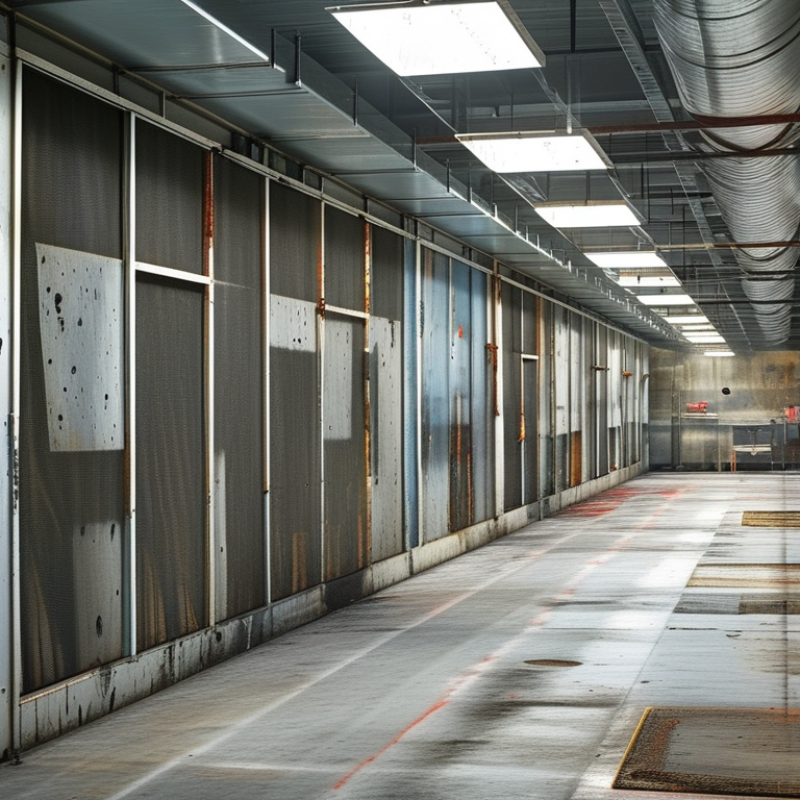
In a paint booth, maintaining optimal air quality is crucial for achieving high-quality finishes. Filters play a key role in this process. However, over time, these filters become clogged and less effective. One major sign that your filters need immediate replacement is a visible discoloration or dust buildup. If you notice a significant change in color, it means the filters are saturated and compromised.
Another indicator is a drop in airflow. According to industry reports, a reduction in airflow by more than 20% can lead to uneven paint application. This affects not only the paint's appearance but also its durability. Frequent airflow checks should be part of your routine maintenance.
Moreover, if you encounter excessive overspray or the smell of paint fumes becoming more pronounced, it's time for a change. Filters that are saturated cannot capture airborne particles as effectively. This can lead to contamination of your products. Monitoring these signs ensures your paint booth operates efficiently and produces quality results. Staying vigilant about filter conditions can save both time and resources in the long run.
How Often Should Paint Booth Filters Be Replaced for Best Results? - Signs Indicating Filters Need Immediate Replacement
| Filter Type | Recommended Replacement Interval | Signs of Clog | Impact of Delayed Replacement |
| Pre-Filters | Every 2-4 weeks | Visible discoloration, reduced airflow | Increased paint defects, higher overspray |
| Main Filters | Every 6 months | Loss of suction, strange odors | Reduced air quality, potential health risks |
| HEPA Filters | Every 1-2 years | Extreme pressure drop, discoloration | Ineffective filtration, increased allergens |
| Activated Carbon Filters | Every 3-6 months | Foul odors persist, dark sediment | Reduced odor control, potential for VOCs |
Industry Standards for Paint Booth Air Quality and Filtration
Maintaining optimal air quality in paint booths is crucial for achieving high-quality finishes. Industry standards dictate specific filtration requirements that ensure the environment remains clean and safe. Regular filter replacement is essential in meeting these standards, as accumulated contaminants can compromise not only air quality but also overall project outcomes.
It's recommended to check filters weekly. Depending on use, some filters may need replacement every month. Monitoring pressure drops across filters can indicate when they should be changed. Investing in high-efficiency filters can significantly enhance air quality, but they may require more frequent changes. Evaluating the specific conditions of your workspace will guide you in establishing a replacement schedule that aligns with best practices.
Here are some quick tips:
- Ensure your filters are easily accessible for regular checks.
- Document replacement schedules to avoid oversight.
- Consider seasonal fluctuations in air quality, which may impact filter life.
- Always maintain a supply of spare filters to prevent downtime during replacements.
Enforcing these measures can lead to improved air quality and better painting results.
Cost-Benefit Analysis of Regular Filter Replacement
Regularly replacing paint booth filters is crucial for maintaining optimal performance and safety. Downdraft Paint Booth Filters play a key role in capturing airborne particles and ensuring a clean environment. Over time, these filters can become saturated with paint overspray, resulting in decreased efficiency. Waiting too long for replacements can lead to poor air quality, which affects both the final product and the health of workers.
Conducting a cost-benefit analysis reveals that timely filter changes save money in the long run. Struggling with clogged filters can increase equipment wear and energy consumption. Higher energy costs arise when ventilation systems work harder to push air through dirty filters. The initial cost of new filters is often minimal compared to potential losses from reduced productivity and increased maintenance.
While some may question the frequency of filter replacements, the value of clean air cannot be overstated. Not changing filters regularly can lead to serious operational issues. It's essential to establish a replacement schedule based on usage frequency and environmental conditions. Rethinking filter maintenance can significantly enhance overall business efficiency while ensuring compliance with health standards.
How Often Should Paint Booth Filters Be Replaced for Best Results?
This chart illustrates the cost of filter replacements at different intervals, as well as the corresponding performance efficiency of the paint booth. Regular maintenance can lead to higher efficiency and lower costs over time.
Best Practices for Maintaining Paint Booth Filters
Maintaining paint booth filters is crucial for optimal performance. Regular inspection is key. Check filters weekly for any noticeable dust accumulation or discoloration. A clean filter allows better airflow and improved paint quality. Clogged filters can lead to poor spraying performance and increased overspray.
Consider developing a replacement schedule tailored to your usage. Some facilities may need to change their filters monthly. Others might find a quarterly schedule works best. Regular monitoring will help you make informed decisions on when to replace. Remember, keeping an eye on your filters is a best practice for maintaining paint booth efficiency.
Implement a training program for staff. Educate crew members about the importance of clean Booth Filters For Paint. Awareness can help reduce neglect. Ensure everyone understands the visual signs indicating when a filter must be replaced. This shared responsibility fosters a culture of maintenance. Regular training sessions can lead to improved adherence to maintenance schedules.
Optimizing Your Spray Booth Efficiency with High-Quality Paint Filter Media Rolls from Trusted Chinese Suppliers
In the quest to enhance your spray booth's efficiency, investing in high-quality paint filter media rolls is paramount. The optimal performance of your spray booth is heavily reliant on the filtration system employed, and choosing durable materials is essential. Our premium paint spray booth filter media roll stands out in the market, crafted specifically to meet the demanding needs of paint spray operations. Constructed from robust glass fiber, this filter media effectively captures paint mist and sticky dust, ensuring that your workspace remains clean and safe.
The innovative structure of our filter media rolls makes them perfectly suited for use in challenging environments. Whether operating in a large factory setting or a smaller workshop, maintaining air quality and minimizing contamination is vital. These filter media rolls excel by not only providing superior filtration but also extending the lifespan of your spray booth equipment. By integrating these quality solutions into your spray booth filtration system, you can enhance operational efficiency and create a more productive working atmosphere. Make the smart choice today and elevate your paint spray processes with top-tier filtration solutions that deliver reliable performance.
FAQS
: Higher paint volume leads to quicker filter saturation, reducing airflow and efficiency.
Solvent-based paints create more debris, necessitating more frequent filter changes compared to water-based options.
Inspections reveal when filters are close to their limit, helping maintain air quality and spray efficiency.
Standard polyester filters should generally be replaced every month for optimal performance.
A significant pressure drop across filters can indicate clogs, affecting airflow and paint finishes.
Carbon filters should be replaced every three to six months, based on usage and environmental conditions.
High-quality filters capture more pollutants and maintain efficiency; poor quality can reduce efficiency by 20%.
Change filters based on usage, not just on a predetermined schedule, to avoid inefficiencies.
Ignoring signs of filter wear could lead to poor paint quality, causing costly delays in production.
Regularly monitor filter pressure to identify blockages and ensure consistent airflow and paint quality.
Conclusion
Understanding "How Often Should Paint Booth Filters Be Replaced?" is crucial for maintaining optimal efficiency and air quality in paint booths. Various factors influence the replacement frequency, including paint type, booth usage, and environmental conditions. Different filter types have recommended intervals for replacement, which can vary significantly; therefore, it's essential to consult guidelines specific to each filter type.
The quality of filters has a direct impact on booth efficiency, making regular maintenance vital. Symptoms indicating that filters require immediate replacement can include noticeable declines in air quality or increased paint application issues. Adhering to industry standards for air quality is also important. A cost-benefit analysis often highlights that regular replacement not only enhances performance but also reduces long-term costs associated with equipment damage and rework. Following best practices for filter maintenance ensures the longevity and efficiency of paint booth operations.