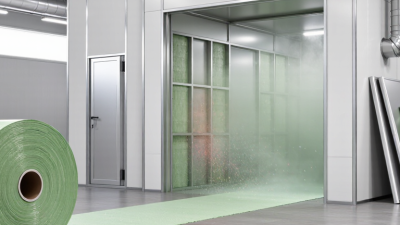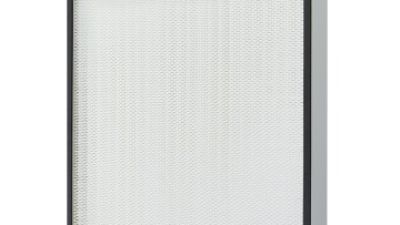
So, what exactly is DPA paint mist Pocket Filter Media? Basically, it’s a specialized air-filtration material made to catch overspray, paint droplets, and sticky aerosol particles inside spray-booth exhaust systems. The pocket design gives you more dust-holding area while still keeping airflow under control. In real-world terms, it often looks like a row of fabric sleeves tucked behind a paint booth’s intake or exhaust grille.
Here’s the thing: “DPA” isn’t perfectly standardized from one manufacturer to the next. So you really do need to check the specs carefully. Media depth, fiber density, pressure drop, flame behavior, and paint-loading capacity can all vary a lot. A filter that looks efficient on paper may clog quickly in a busy automotive workshop. That’s an uncomfortable detail, but it matters.
The U.S. EPA’s AP-42 emissions guidance identifies spray application as a major source of paint-related particulate emissions. ASHRAE Standard 52.2 also gives us a recognized framework for evaluating particle filtration performance. And industry analyses from Grand View Research and MarketsandMarkets keep linking filtration demand with stricter emission controls, cleaner production, and expanding manufacturing activity.
Dr. Richard Corsi, a respected indoor-air-quality researcher, has emphasized, “There is no silver bullet” for air-quality control. His point applies here. Pocket Filter Media can support cleaner exhaust, protect fans, reduce booth contamination, and extend downstream filter life. It may also help stabilize maintenance schedules and improve visible workplace cleanliness. Yet it can’t replace correct booth design, airflow testing, or timely replacement.
This guide looks at five practical uses, including paint capture, overspray control, equipment protection, maintenance planning, and cleaner exhaust handling. Performance depends on the coating, airflow, humidity, and operator habits. Those details are easy to underestimate.
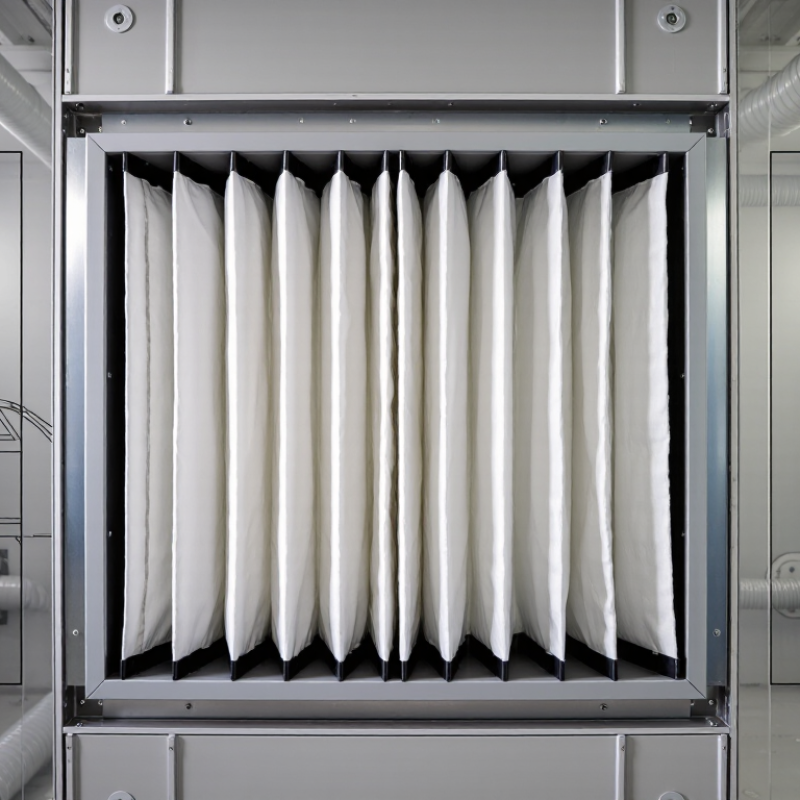
DPA paint mist pocket filter media is a three-dimensional filter material made for capturing airborne paint droplets. Its stitched pockets create a broad filtration surface inside a compact frame. As air passes through, larger particles collect near the front, while finer mist is held deeper in the media. This design can support steady airflow and reduce overspray reaching exhaust equipment. However, performance depends on the coating type, spray volume, and filter replacement schedule.
In practical use, this media serves five common applications: automotive refinishing booths, furniture coating lines, metal spray operations, industrial equipment painting, and small workshop finishing areas. In an automotive booth, it can help keep wet mist away from ductwork. Furniture manufacturers may use it to reduce lacquer or primer buildup near exhaust paths. Metal coating facilities often value its pocket depth during long production runs. It can also support cleaner exhaust air in controlled workshop spaces. The fifth use is as a flexible option for equipment painting, where coating loads may change quickly.
A reliable installation needs more than a suitable filter size. Check the airflow direction, frame seal, pocket condition, and pressure drop during operation. A rising pressure reading usually signals loading. Replacing media too late can strain fans and lower capture efficiency. Replacing it too early wastes material. That balance is easy to misjudge. Paint chemistry also matters, so operators should confirm compatibility and follow local disposal requirements.
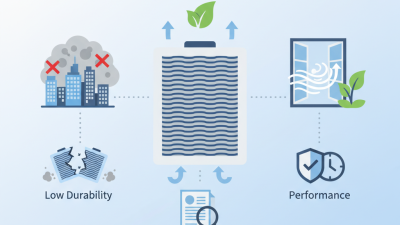
Paint mist pocket filter media is used in ventilation systems to capture airborne coating overspray before it reaches downstream filters, fans, ducts, or the exhaust outlet. The chart shows typical paint-mist droplet-size bands associated with five common applications; actual values vary according to coating type, spray equipment, and operating conditions.
Paint Booth Pocket Filters use layered, air-permeable media to capture airborne paint mist. As contaminated air enters each pocket, the fibers slow its movement. Larger droplets strike the fibers and remain trapped. Smaller droplets follow the airflow, then collide with deeper layers. They cling to the media.
The media may also absorb part of the liquid coating. Its gradual loading helps maintain stable airflow during spraying. However, capture is not perfect. Overloaded pockets can release pressure, reduce ventilation, and allow fine mist to pass downstream. Proper installation and timely replacement remain essential.
In practical operation, technicians inspect the filter face during each shift. A sticky gray or colored film often shows normal collection. Uneven loading may indicate poor airflow distribution or incorrect pocket placement. Replacing the media too late can increase energy use and leave residue inside the booth.
Pressure gauges provide useful evidence, but readings alone can mislead. Humidity, coating viscosity, spray distance, and gun settings affect performance. Field experience shows that small setup changes matter.
One detail is easy to miss: pockets must stay fully open. If they touch, effective surface area drops sharply. I would also record pressure readings and replacement dates. Those notes support more reliable maintenance decisions.
DPA paint mist media is built for demanding air-capture conditions. Its key materials usually include progressive-density synthetic fibers, glass fiber, or blended media. Coarser fibers trap larger paint droplets first. Finer layers capture smaller aerosol particles later. This structure protects the rear filter and helps maintain airflow. A rigid support grid prevents pocket collapse under pressure. Heat resistance and moisture stability also matter in busy spray areas.
The Pocket Filter design creates more filtration surface than a flat panel. It suits automotive spray booths, furniture finishing lines, metal coating rooms, industrial touch-up stations, and enclosed paint preparation areas. ASHRAE Standard 52.2 reports MERV 13 filters at 85% or higher average efficiency for 1–3 micrometer particles. That figure is useful, but paint mist behaves differently from dry dust. The U.S. EPA AP-42 compilation identifies coating overspray as a significant particulate source. Real-world capture still depends on air velocity, loading, and pocket spacing. Laboratory efficiency can disappoint onsite.
Tips: Check pressure drop before installation. Choose media with sealed edges and stable stitching. Replace it when airflow weakens, not only when the surface looks dirty. ISO 16890 results can guide particle selection, but they should not replace booth testing. One assumption needs review: finer media is not always better. Excess resistance may disturb spray patterns and increase operating energy.
| Use | Typical Application | Key Filter Media | Important Design Features | Primary Function | Practical Selection Notes |
|---|---|---|---|---|---|
| 1. Automotive Spray Booths | Capturing paint overspray generated during vehicle body and component finishing. | Progressive-density fiberglass or synthetic polyester media, often with a coarser air-entry side and a denser downstream side. | Multi-layer construction, stitched or thermally bonded pocket seams, and a rigid support frame to maintain airflow. | Protects exhaust ducts, fans, and the surrounding environment from airborne paint particles. | Select media according to coating type, spray volume, airflow rate, and the booth manufacturer’s pressure-drop limits. |
| 2. Industrial Metal Coating | Filtering overspray from powder-coating preparation, liquid coating, and fabricated metal finishing areas. | Durable synthetic fibers such as polyester or polypropylene blends, selected for mechanical strength and particle capture. | Deep pocket geometry increases dust-holding capacity; reinforced edges help reduce tearing during installation and removal. | Reduces the transfer of coating particles into exhaust systems and helps maintain cleaner production areas. | For solvent-based coatings, confirm chemical compatibility and use the filter only within the specified temperature range. |
| 3. Furniture and Wood Finishing | Removing lacquer, varnish, stain, and water-based finishing mist from furniture and woodworking spray rooms. | Fine synthetic or Fiberglass Media with graded fiber density for retaining small airborne droplets and particulate matter. | Large effective media area, aerodynamic pocket openings, and stable seams help maintain consistent airflow. | Helps prevent finish buildup on ventilation equipment and limits visible particulate discharge from the exhaust stream. | Regular inspection is important because sticky finishing materials can increase resistance faster than dry dust. |
| 4. Plastic and Composite Manufacturing | Capturing coating mist, release-agent aerosols, and fine process particles in plastic or composite finishing operations. | Low-shedding synthetic media or fiberglass media chosen for fine-particle retention and dimensional stability. | High-strength backing, evenly distributed pockets, and a sealed perimeter reduce bypass around the media pack. | Supports cleaner exhaust handling and helps reduce the accumulation of residue in downstream ventilation components. | The filter should be replaced when pressure drop rises significantly or when visible loading affects airflow quality. |
| 5. General Industrial Paint Rooms | Controlling airborne paint mist in equipment, machinery, appliance, and general industrial coating rooms. | Layered polyester, polypropylene, fiberglass, or blended media selected according to particle size and coating chemistry. | Pocket-style construction provides more media surface than a flat panel of the same face size; color-coded layers may indicate loading progression. | Captures paint mist before it reaches exhaust fans, ductwork, and external discharge points. | Use the correct face dimensions, airflow direction, gasket arrangement, and rated final resistance for the housing. |
Paint mist pocket filter media helps protect spray booth exhaust systems from sticky overspray. In field inspections, the filter face often turns gray first, while the rear surface remains visibly cleaner. That contrast shows why staged filtration matters. A properly selected Pocket Air Filter captures suspended paint particles before they reach exhaust fans, ducts, and outdoor discharge points.
U.S. EPA AP-42, Chapter 4.2, reports that coating transfer efficiency varies widely by application method. Therefore, overspray loading can change sharply between shifts. A booth applying solvent-based coatings may need media with strong dust-holding capacity and reliable airflow retention. ASHRAE Standard 52.2 testing also reminds engineers that efficiency and pressure drop must be evaluated together. High initial efficiency is not enough. If resistance rises too quickly, booth airflow can weaken.
The filter should fit tightly, with no curled edges or visible bypass gaps. Check the exhaust manometer each shift. Replace media when pressure reaches the manufacturer’s limit, not only when it looks dirty. OSHA ventilation guidance commonly references approximately 100 feet per minute for many spray booth faces, although the required value depends on booth design and operation. No filter is magic. In practice, uneven loading often reveals poor installation or turbulent airflow. I would inspect the frame, seals, and nearby ductwork before blaming the media. A small leak can carry fine mist farther than expected.
A Filter Pocket helps capture paint overspray before it reaches the exhaust system. In a working spray booth, this means cleaner duct surfaces, fewer blocked fans, and more stable airflow. Small details matter. When filter media loads unevenly, one corner may turn gray while another remains clean. That pattern often signals poor sealing, incorrect airflow, or careless installation.
The U.S. Environmental Protection Agency’s AP-42 guidance identifies overspray and solvent vapors as important emissions from surface-coating operations. A properly selected pocket filter cannot remove every vapor, but it can reduce airborne paint particles effectively. For finer particles, deeper pockets usually provide more holding capacity than shallow panels. The U.S. National Institute for Occupational Safety and Health also warns that spray painting may expose workers to hazardous aerosols and isocyanates. Filtration should therefore support, not replace, ventilation and personal protection controls.
The World Health Organization’s 2022 air-quality database reported that 99% of the global population lived with air exceeding its PM2.5 guideline. That figure concerns outdoor air, yet it shows why indoor process control deserves attention. In practice, replace the Filter Pocket when pressure rises, airflow drops, or overspray appears downstream. Waiting for visible failure is a common mistake. Filter selection still needs review, because paint type, booth speed, humidity, and maintenance habits can change performance.
DPA paint mist pocket filter media can reduce maintenance costs by holding overspray before it reaches downstream equipment. Its deep pocket structure spreads paint particles across a larger surface area. This helps the filter load more evenly. Uneven loading often causes early replacement.
A maintenance technician can monitor pressure drop with a simple gauge. A gradual rise usually shows normal loading, while a sudden increase may indicate blocked pockets or excessive overspray. In one practical setup, stable airflow kept spray-booth performance consistent for longer periods. Less emergency work followed. Fewer rushed replacements also reduced labor hours and disposal handling.
Filter life still depends on coating type, booth airflow, humidity, and spray technique. It is not a perfect fix. Incorrect sizing can cancel the expected savings. Filters may appear clean while airflow has already fallen below the required level. Checking pressure readings weekly gives technicians better evidence than judging by appearance alone.
Replacing the media only when performance requires it can lower material consumption. However, extending service too far may strain fans and affect paint quality. A written inspection log helps compare pressure readings, replacement dates, and production volume. That record supports more reliable purchasing decisions. Small details matter.
H13 Mini Pleated HEPA Filters have gained attention as indoor air quality becomes a growing priority highlighted by the 2024 EPA and WHO air quality reports. These reports reinforce the importance of controlling fine particles and airborne contaminants in occupied spaces, especially where ventilation systems must maintain consistently clean air. With a compact mini-pleat structure, H13 filters provide a large filtration area within a limited installation space, supporting efficient particle capture while helping ventilation equipment operate reliably.
Produced by leading suppliers in China, these Mini Pleat HEPA filters are engineered for terminal filtration in ventilation equipment, dust removal systems, and air supply systems that require superior cleanliness. Their carefully designed media and rigid construction help remove airborne particles from incoming or recirculated air, making them suitable for healthcare facilities, laboratories, cleanrooms, electronics production areas, and other sensitive environments. A qualified factory can provide customized dimensions, dependable sealing options, and stable production quality to meet demanding filtration specifications and support stronger indoor air quality management.
It captures airborne paint droplets before they reach exhaust fans, ducts, and discharge paths. Stitched pockets provide deeper filtration inside a compact frame. It is not magic.
Larger droplets strike the front fibers and remain trapped. Smaller droplets travel deeper before clinging to the media. This process is called inertial impaction. Fiber depth matters.
Common uses include automotive booths, furniture coating lines, metal spraying, equipment painting, and small workshops. A gray filter face may appear during normal spraying. Different coatings create different loading patterns.
Confirm the airflow arrow and keep every pocket fully open. Seal the frame tightly without curled edges or bypass gaps. Touching pockets reduce the usable filtration area. That detail is easy to miss.
Check the pressure reading during each shift and compare it with the recommended limit. A sticky gray or colored film may show normal collection. Replace media before airflow weakens significantly. Appearance alone can mislead.
Pressure drop can rise, fan energy can increase, and ventilation can weaken. Fine mist may pass downstream through saturated pockets. Residue can also build inside the booth and ductwork. Replace it earlier when conditions change sharply.
Uneven loading may indicate poor airflow distribution, incorrect pocket placement, or turbulence. Inspect the frame, seals, and nearby ductwork before blaming the media. Small leaks can carry fine mist farther than expected.
Coating chemistry, spray volume, viscosity, humidity, spray distance, and gun settings all matter. Pressure readings are useful, but they do not explain everything. I would record readings and replacement dates. That habit supports better decisions.
Match the media to the coating, expected spray volume, airflow, and available frame size. Consider both capture efficiency and pressure resistance. High initial efficiency is not enough. The best choice may still need adjustment after field use.
What Is Dpa Paint Mist Pocket Filter Media? It is a specialized filtration material designed to capture airborne paint mist, overspray, and fine coating particles generated during spray applications. Its layered structure and pocket-style design provide a large filtration area while maintaining efficient airflow. By trapping particles before they move through the ventilation system, the media helps support cleaner working conditions and more consistent exhaust performance.
DPA paint mist pocket filter media is commonly used to protect spray booth exhaust systems from buildup, helping reduce blockages and extend the service life of fans and ductwork. It also improves air quality in painting areas by removing suspended overspray from the airstream. In addition, its efficient particle-holding capacity can reduce cleaning frequency, maintenance labor, and filter replacement costs. Selecting the right material, pocket depth, and airflow rating allows users to achieve reliable filtration performance for different paint processes and operating environments.