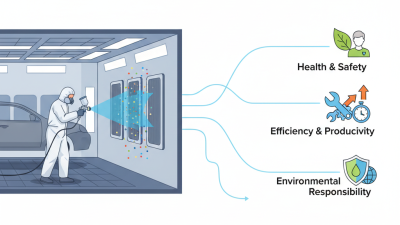
Keeping your paint booth clean and running smoothly is really key if you want those perfect finishes and to stay safe on the job. Ever wondered, 'How do I clean and maintain my Paint Booth Intake Filters?'? That’s a common question among folks in the industry. According to the National Paint and Coatings Association, if you don’t take proper care of those filters, you risk kicking up more airborne particles and ending up with a poorer paint finish. In fact, it’s estimated that about 70% of paint booth failures are linked to not cleaning filters properly — pretty eye-opening, right?
If you stay on top of cleaning your intake filters, you’ll see better airflow, and it helps keep contaminants out of your paint process. Some studies even say that when filters are well-maintained, booth performance can improve by as much as 35%. Companies like Global Finishing Solutions really stress the importance of a steady cleaning routine — it not only boosts productivity but also helps your equipment last longer. That said, a lot of shops tend to overlook how often or how thoroughly they should clean these filters, which can end up costing them more in the long run, both in money and time.
Things like a Laminar Flow Clean Bench really come into play here, helping create a controlled environment for the task at hand. But honestly, many operators still find it tricky to get their cleaning just right or figure out how often they should do it. There’s definitely a need for better training and some clear resources to fill that gap. Basically, if you learn the best ways to clean and maintain your intake filters, you can avoid a lot of headaches and keep your operation running smoothly and efficiently.
Understanding the Importance of Paint Booth Intake Filters
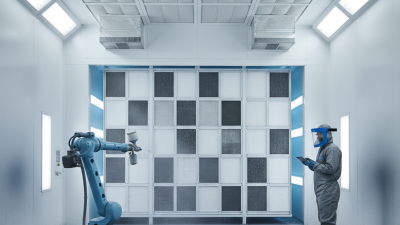
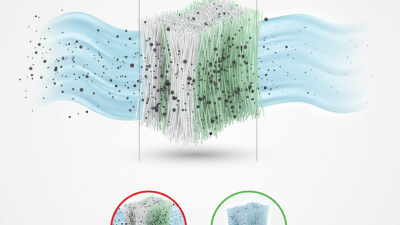
Paint booth intake filters play a crucial role in ensuring optimal air quality during the painting process. These filters trap dust, debris, and overspray, protecting both the environment and the finished product. According to industry reports, maintaining these filters can enhance air quality by up to 30%, reducing the risk of contamination. Regular monitoring and replacement are essential for optimal performance.
One effective tip for maintaining intake filters is to establish a cleaning schedule. Frequent checks can catch issues before they become significant problems. A dirty filter can lead to reduced airflow and increased paint defects. Consider using a Clean Room Hood during the cleaning process to protect the workspace from unwanted particles.
Another important aspect is knowing when to replace filters. Many professionals recommend replacing filters every month, but this can vary based on usage. A visual inspection should inform decisions; if the filter looks clogged or discolored, it’s time for a change. Remember, neglecting this process could lead to costly errors in production. Keep your paint booth running smoothly by prioritizing filter maintenance.
Identifying Different Types of Intake Filters and Their Applications
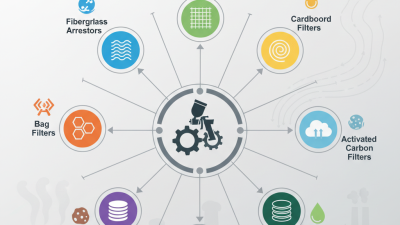
Paint booth intake filters are crucial for maintaining air quality. There are several types of filters, each serving a specific purpose. Pre-filters capture larger particles, while Hepa Filters remove smaller contaminants. Knowing which filter to use can significantly enhance performance.
Installing the right filter is essential. For example, pre-filters are often used in heavy-duty environments. They can extend the lifespan of more delicate filters. On the other hand, HEPA filters are ideal for environments requiring high air purity. They capture 99.97% of airborne particles. Consider the needs of your workspace when choosing a filter.
Regular inspection and maintenance are necessary. Filters should be checked frequently for signs of dirt or damage. A clogged filter can lead to airflow problems and decreased efficiency. Replacing filters when needed ensures a clean workspace. This step is often overlooked but is critical in maintaining optimal conditions.
Step-by-Step Guide to Cleaning Paint Booth Intake Filters
Cleaning paint booth intake filters is essential for maintaining a safe and efficient workspace. Following a structured method can ensure effectiveness. Start by gathering necessary tools: a vacuum, soft brush, and a cleaning solution. Look at the filters for visible dirt and damage. Remove the filters with care. Make a note of how they fit; reinstallation should be easy.
Use the vacuum to remove major dust and debris. A soft brush can help with stubborn buildup. If the filters are heavily soiled, consider using a mild cleaning solution. Rinse them gently with water. Be cautious not to use too much pressure. Allow the filters to dry completely before reinstalling them. Regular checks could prevent contamination and improve air quality.
Reflect on your cleaning routine. Are you doing it often enough? Filters can wear out over time. Pay attention to the performance of Paint Booth Tacky Intake Filters. Keeping a log could help track when they were last cleaned or replaced. This simple habit can make a big difference in maintaining the efficiency of your paint booth.
Best Practices for Maintaining Paint Booth Intake Filters
Maintaining Paint Booth Intake Filters is crucial for ensuring optimal operation and air quality. Regular cleaning can prevent dust and debris accumulation. A simple visual inspection should be part of the routine. Look for discoloration or excessive dirt. If you notice significant blockages, it indicates a need for cleaning. Regular replacement also plays a key role. Many users overlook this and experience reduced airflow.
A preferred practice involves vacuuming the filters to remove obvious contaminants. Follow this with a gentle wash using mild soap and water. Don't use aggressive cleaning methods; they can damage the filter material. Remember, the filters are integral to maintaining air quality, impacting both the workspace and the final product. Inadequate maintenance can lead to costly downtimes.
It's essential to track the cleaning schedule. Each booth may have unique requirements, so understanding your specific setup can help. Consider labeling maintenance dates visibly inside the booth for easy reference. This practice encourages accountability. Often, users fail to adhere to schedules, leading to neglected filters. Consistent attention will foster a more productive environment. Properly maintained paint booth intake filters ensure a safe and efficient workspace.
Frequency of Filter Cleaning and Maintenance Checks
Maintaining intake filters in a paint booth is crucial for optimal performance. Regular cleaning and maintenance checks can significantly enhance air quality and reduce operational costs. According to the EPA, proper filter management can improve booth efficiency by up to 20%. This translates to fewer disruptions in production and reduced strain on equipment.
The frequency of cleaning depends on usage and environment. In high-traffic booths, inspections should occur weekly, while less frequent use may allow for bi-weekly checks. A study by the Industrial Ventilation Organization suggests that filters can develop hazardous buildups in just 100 hours of operation. Skipping maintenance can result in compromised air quality, which potentially leads to health issues for workers.
Implementing a rigorous maintenance schedule can seem daunting yet necessary. Cleaning filters is a hands-on task; it requires time and effort. Reflecting on past maintenance efforts may reveal lapses in practice, reminding facility managers of the importance of sticking to planned intervals. Scheduling regular check-ins for filter conditions promotes a proactive stance on facility management, ultimately fostering a safer working environment.
Common Issues and Solutions for Intake Filter Problems
Maintaining paint booth intake filters is essential for optimal performance. Common issues arise, such as clogged filters, which can restrict airflow and reduce paint quality. Regular inspections help identify this problem early. Often, filters appear dirty but can be cleaned with compressed air. However, some may need complete replacement.
Another frequent issue is improper installation. Filters that don’t fit correctly can allow contaminants to enter the booth. Ensure that filters are installed tightly to prevent gaps. Using the wrong type of filter material can also lead to troubles. Consult your maintenance guidelines to choose the right kind.
Over time, filters can become saturated with paint overspray, affecting the system's efficiency. Cleaning filters regularly can mitigate this, but it’s a balancing act. Too frequent cleaning may damage filters; too infrequent can cause serious issues. Monitoring and adjusting to your specific usage patterns is key. This reflection ensures a more effective maintenance routine for your paint booth filters.
Tips for Selecting High-Quality Intake Filters for Longevity
When selecting high-quality intake filters for your paint booth, consider the material. Filters made from synthetic fibers offer superior durability. They can capture a high percentage of airborne particles, essential for maintaining a clean workspace. Additionally, check the filter's MERV rating. A higher rating indicates better filtration efficiency, making it vital for your needs.
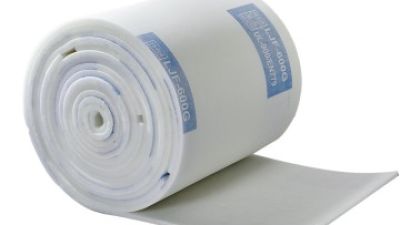
Size is another crucial factor. Ensure that filters fit your booth perfectly. A poor fit can lead to leaks, allowing dust and contaminants to enter. Regular maintenance should include a visual inspection of the filters. If the Paint Booth Intake Filters Roll shows signs of damage or excessive dirt, it’s time for a replacement. Some users may overlook this step, leading to reduced air quality, which can affect paint jobs.
Consider the long-term cost of filters as well. Investing in quality filters might seem expensive initially. However, they often last longer and perform better. Frequent replacements can add up. Think about the environmental impact too. High-quality filters may reduce waste over time. Make informed choices that benefit your operation and the environment.
How To Clean And Maintain Paint Booth Intake Filters Effectively?
| Filter Type | Material | MERV Rating | Recommended Cleaning Method | Estimated Lifespan (Months) |
| Pleated Filters | Synthetic Fiber | 11-13 | Vacuum and Wash | 6-12 |
| Electrostatic Filters | Polyester | 10-12 | Rinse and Dry | 3-6 |
| Fiberglass Filters | Fiberglass | 8-10 | Replace Only | 1-3 |
| Activated Carbon Filters | Carbon-infused | 5-8 | Replace Only | 6-12 |
Enhancing Air Quality: A Comprehensive Look at High-Performance 600G Spray Booth Ceiling Filters from Chinese Manufacturers
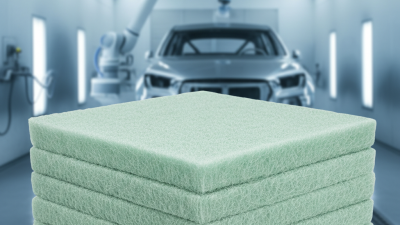
High-performance air filtration is crucial in various industries, especially within painting systems and spray booths where air quality directly impacts both health and product quality. The innovative 600G spray booth ceiling filters developed by Chinese manufacturers are at the forefront of this technology. These filters utilize advanced break-resistant organic synthetic fibers, created through a sophisticated fusion process, to provide exceptional dust capture and enhance overall air quality management.
The use of these ceiling filters not only improves filtration efficiency but also ensures durability and reliability in demanding environments. By effectively trapping airborne particles, these filters help maintain a cleaner atmosphere for workers and minimize the risk of contamination in painted surfaces. Manufacturers in China are committed to producing ceiling filters that cater to the rigorous requirements of various sectors, ensuring a healthier environment for all. Through ongoing research and development, they continue to refine their products, meeting the evolving challenges of air quality control in industrial applications.
FAQS
: They trap dust and debris, ensuring better air quality during painting.
Monthly replacements are recommended, but visual inspections are crucial.
A dirty filter can reduce airflow and increase paint defects.
Look for clogs or discoloration that indicate it's time for a replacement.
Synthetic fibers offer better durability and can capture more airborne particles.
A poor fit can cause leaks, allowing contaminants into the booth.
A higher MERV rating indicates better filtration efficiency for air quality.
Yes, they last longer and reduce the frequency of replacements.
Establish a regular cleaning schedule to catch issues early.
Quality filters can reduce waste by lasting longer and performing better.
Conclusion
In the article "How To Clean And Maintain Paint Booth Intake Filters Effectively?", the significance of maintaining paint booth intake filters is emphasized to ensure optimal air quality and performance in painting operations. It outlines the various types of intake filters available and their specific applications, which can greatly influence the efficiency of the paint booth.
The guide provides a detailed step-by-step process for cleaning these filters, along with best practices for ongoing maintenance. It addresses the recommended frequency for cleaning and conducting maintenance checks, helping users prevent common issues associated with intake filters. Additionally, practical solutions for common problems are discussed, along with tips for selecting high-quality filters that will ensure durability and effectiveness. By following these guidelines, paint booth operators can enhance the longevity and efficacy of their systems.