Leave Your Message
Looking to buy fiberglass Paint Arrestor Floor Filters from China? That's a pretty common question among spray booth operators, equipment distributors, and industrial purchasing teams. The truth is, choosing the right supplier can really make a difference—not just in airflow and overspray control, but also in how long the filters last, how much maintenance they need, and overall operating costs.
Now, sure, a cheaper filter might seem tempting at first glance. But watch out — it could load up quickly, shed fibers, or just not fit well inside the floor frame, which can cause its own headaches.
Daniel Harper, an industrial filtration expert with over 15 years of experience in booth maintenance, put it nicely when he said, “A Paint Arrestor Floor Filter needs to be judged based on airflow stability, fiber structure, and how reliably it can be replaced — not just the price.” That’s a solid reminder that, in this game, product claims should be backed up by real-world testing.
For buyers who want to play it safe, it’s smart to check out things like fiberglass density, thickness, roll size, backing structure, and how much paint the filter can handle. Don’t hesitate to ask for detailed tech data sheets, samples, and even photos of the production process. And, honestly, the best way to know if a sample is good? Test it in a real booth setup. Keep an eye on the pressure gauge and see if the filter sags after a few shifts—little details like that can make a big difference.
Chinese manufacturers often offer custom widths, private labeling, and a solid manufacturing capacity. But, still, it's crucial to do your homework. Confirm their experience, quality control practices, packaging, and export documentation. If you’re making a big order, it’s not overkill to get an independent inspection - better safe than sorry.
This guide is here to help you understand where to buy fiberglass Paint Arrestor Floor Filters from China—covering how to evaluate suppliers, compare product specs, test samples, and communicate effectively. One thing to keep in mind: some buyers get fixated on unit price and forget about ongoing costs like disposal frequency and labor. That’s a classic mistake that can turn a bargain filter into a pretty pricey one in the long run. A trustworthy supplier will give you clear answers, consistent product batches, and proof for every key claim, so you know you’re getting what you pay for.
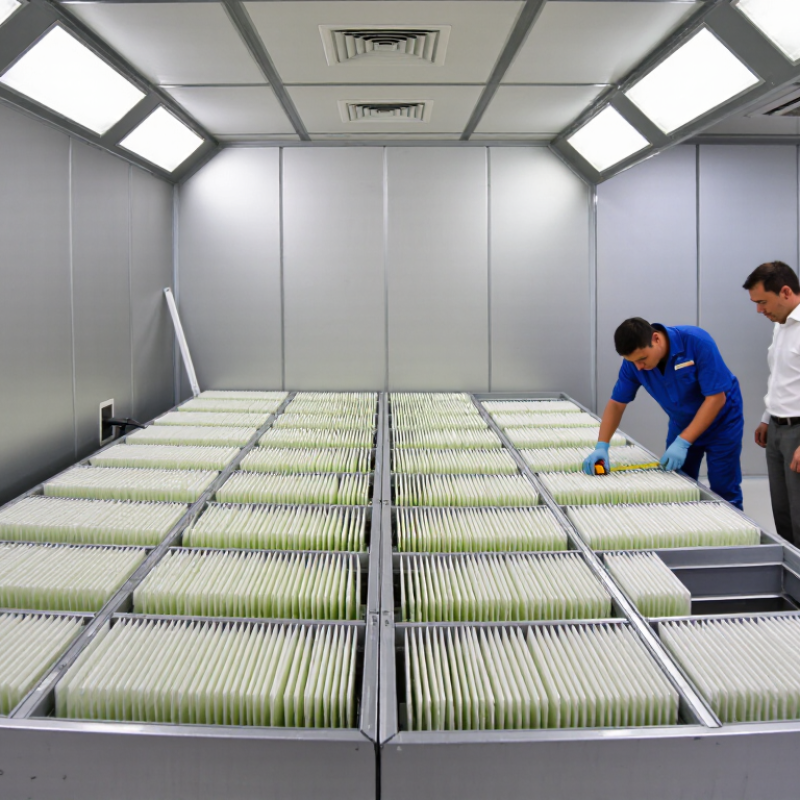
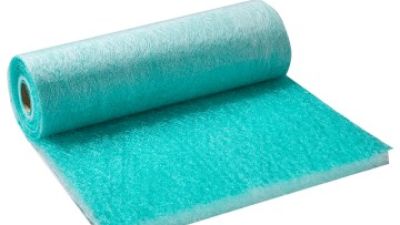
Fiberglass paint arrestor floor filters are porous glass-fiber mats placed beneath spray-painting work areas. Their main job is simple: capture wet overspray before it reaches exhaust ducts, fans, or surrounding surfaces. The fibers form a deep, irregular path. Paint droplets collide with the fibers and remain inside the media. This differs from a Hepa Filter, which targets much smaller airborne particles. Fiberglass floor media is not designed to remove solvent vapors.
Performance depends on thickness, density, airflow, paint viscosity, and loading. OSHA’s spray-finishing requirements commonly reference about 100 feet per minute of airflow across open booth faces. That airflow can improve capture, but it also increases pressure drop as the filter becomes saturated. U.S. EPA AP-42 surface-coating guidance shows that transfer efficiency varies widely by spray method, often from roughly 30% to above 70%. The remaining material becomes overspray. A filter cannot correct poor spray technique.
When buying from China, request pressure-drop curves, basis weight, thickness, flame-resistance information, and batch inspection records. Ask whether efficiency data applies to wet paint, not only dry dust. Confirm roll width and cutting tolerance before ordering; small gaps can allow paint to bypass the media. ISO 16890 results should not be presented as paint-capture proof, because that standard concerns general air-filter performance. A perfect efficiency claim deserves doubt. I would request a sample and inspect loading after one production shift. Real paint behavior can be messier than laboratory data.
| Data Dimension | Typical Specification or Fact | What It Means | China Purchasing Checklist |
|---|---|---|---|
| Product Definition | Disposable or replaceable fiberglass Filter Media used to capture overspray from paint, coating, and finishing operations. | The filter helps prevent wet or partially dried paint particles from entering the exhaust duct, fan, or surrounding work area. | Confirm that the media is intended for floor-level or exhaust-air applications rather than for general HVAC air filtration. |
| Filter Material | Continuous or layered glass fibers bonded into a porous mat; some products include a supporting scrim or backing layer. | Fiberglass is nonwoven, lightweight, and resistant to many coating overspray conditions when correctly selected. | Request the fiber construction, binder information, backing type, and safety data before placing a bulk order. |
| Common Thickness Range | Approximately 25–100 mm, depending on the application and required paint-loading capacity. | Thicker media generally provides more depth for holding overspray, but it can also increase airflow resistance. | Match thickness with the filter rack, floor grid, retaining screen, and available installation space. |
| Common Roll Widths | Frequently supplied in widths of about 0.5–2.0 m, with custom widths available for many production orders. | Roll width affects cutting waste, installation time, and the number of joints across the filter area. | Provide the exact usable opening size and ask for the finished width tolerance and roll-core dimensions. |
| Common Roll Lengths | Typical industrial rolls may range from approximately 5–30 m, subject to thickness, density, and packing method. | Longer rolls reduce replacement frequency but require adequate storage and handling space. | Confirm net length, roll diameter, packaging method, and whether the quoted quantity is based on rolls or square metres. |
| Airflow Direction | Usually installed so contaminated air passes through the open fiber structure toward the exhaust side. | Correct orientation allows the media to load progressively and helps maintain stable airflow. | Ask whether the product has a designated airflow direction, paint-facing side, or reinforced exhaust side. |
| Paint-Holding Capacity | Depends on fiber diameter, loft, thickness, density, coating type, spray volume, and airflow conditions. | Higher holding capacity can extend service life and reduce replacement labor, but it is not determined by thickness alone. | Request test data or field recommendations for the specific paint system, such as solvent-based, water-based, primer, or powder-coating overspray. |
| Pressure Drop | Pressure drop increases as the filter loads with paint; the actual value depends on air velocity and media structure. | Excessive resistance can reduce booth capture performance and increase fan energy consumption. | Ask for initial and final pressure-drop data at a stated face velocity. Do not compare pressure figures without the same test conditions. |
| Air Velocity Consideration | Selection should be based on the booth or exhaust system’s design face velocity rather than on a universal value. | Very high velocity may cause rapid loading or overspray penetration, while very low velocity may reduce capture effectiveness. | Provide the operating airflow or face velocity when requesting quotations and technical recommendations. |
| Temperature Consideration | Temperature resistance varies with the fiberglass binder, backing material, coating process, and exposure duration. | A fiberglass mat may tolerate elevated temperatures, but the complete filter assembly may have a lower practical limit. | Specify normal and peak operating temperatures and request the supplier’s continuous-use and maximum-use ratings. |
| Moisture and Chemical Compatibility | Compatibility varies with water-based coatings, solvents, cleaning chemicals, humidity, and curing conditions. | Fiber material, binder, and backing can react differently to chemicals or prolonged moisture exposure. | Submit the coating and cleaning-agent information for compatibility review before purchasing large quantities. |
| Fire-Safety Information | Fire behavior depends on the glass fibers, organic binder, backing, accumulated paint, and installation conditions. | A fiberglass filter should not automatically be treated as non-combustible because binders and collected overspray may burn. | Request the applicable flammability or fire-test documentation and follow local booth, ventilation, and waste-handling requirements. |
| Recommended Installation | Install over a rigid support grid or retaining system that prevents sagging, bypass gaps, and media displacement. | Air bypass around the filter can reduce capture performance even when the filter media itself is suitable. | Confirm the required retention screen, fastening method, overlap allowance, and replacement procedure. |
| Replacement Indicator | Common indicators include visibly loaded media, reduced airflow, increased pressure drop, paint breakthrough, or coating defects. | Replacing only on a calendar schedule may cause premature disposal or poor booth performance. | Use a differential-pressure gauge or a documented inspection schedule when the booth operates continuously. |
| Cutting and Handling | Media can generally be cut with suitable industrial knives or shears; gloves and eye protection are recommended. | Careful handling reduces fiber shedding, edge damage, and installation gaps. | Ask for the recommended cutting method, edge stability, protective packaging, and handling instructions. |
| Typical Buying Format | Sold as rolls, pre-cut panels, pads, or custom-shaped pieces according to the booth layout. | Pre-cut pieces simplify installation, while rolls may reduce unit cost and provide more flexibility. | Compare total usable area, cutting waste, packing volume, replacement labor, and delivery cost—not only the price per roll. |
| China Purchasing Channel | Potential sources include industrial filtration manufacturers, paint-booth equipment suppliers, converting factories, and export distributors. | Different channels may offer different levels of customization, technical support, minimum order quantity, and documentation. | Verify factory capability, production lead time, export packing, inspection process, sample availability, and after-sales communication. |
| Minimum Order Quantity | Varies according to standard stock size, custom dimensions, packaging, and private-label requirements. | Custom thickness, width, color, backing, or packaging may require a larger production quantity. | Request separate quotations for sample orders, trial quantities, and full-container or recurring orders. |
| Quality Documents | Useful documents may include a technical data sheet, certificate of analysis, material declaration, packing list, and inspection report. | Documentation helps verify that delivered media matches the agreed thickness, dimensions, structure, and application. | Include measurable acceptance criteria in the purchase order, such as width, length, thickness, roll count, and allowable tolerance. |
| Packaging and Storage | Store rolls or panels in a clean, dry area away from water, compression, direct sunlight, and contamination. | Improper storage can deform the media, increase moisture exposure, or damage protective packaging. | Specify moisture-resistant wrapping, pallet requirements, roll protection, stacking limits, and shipping-mark information. |
| Waste Disposal | Used filters may contain paint, solvent residue, or other regulated contaminants. | Disposal classification depends on the coating materials and local environmental rules, not only on the fiberglass substrate. | Ask for disposal guidance and check the requirements of the destination country and the operating site. |
| Best Selection Criteria | Application compatibility, dimensions, airflow resistance, paint-holding capacity, fire information, service life, and total cost. | The lowest purchase price may not provide the lowest operating cost if the filter loads quickly or causes high fan resistance. | Compare samples under actual booth conditions and evaluate cost per usable operating hour or cost per square metre of coated product. |
| Important Purchasing Note | Specifications are typical industry ranges and must be confirmed with the selected supplier’s current technical data sheet. | Performance depends on the complete booth design, coating process, airflow, maintenance program, and installation quality. | Before final purchase, confirm the exact grade, dimensions, test method, compliance documents, delivery terms, and replacement compatibility. |
Paint arrestor filters are essential components for industrial spray booths, helping capture paint overspray before it reaches exhaust ducts, fans, and surrounding work areas. Manufactured in China, these filters are made from non-woven fiberglass with a progressive density structure. The layered design captures larger droplets at the surface while retaining finer particles deeper in the media, providing efficient filtration with relatively low air resistance. This helps maintain stable airflow, reduce booth contamination, and support a cleaner working environment.
China factory solutions can offer customized dimensions, roll formats, thicknesses, and packaging for different spray booth configurations. Careful material selection and consistent production control help ensure reliable performance during continuous operation. When evaluating a supplier, buyers should consider filtration efficiency, pressure drop, dust-holding capacity, replacement intervals, and compatibility with the booth’s ventilation system. These factors reflect common environmental-control priorities highlighted in EPA guidance and broader market research, including insights reported by Grand View Research. Proper installation and timely replacement can also help protect downstream equipment, improve maintenance efficiency, and support responsible overspray management in automotive, furniture, metal finishing, and general industrial applications.
They are porous glass-fiber mats placed beneath spray-painting areas.
Paint droplets travel through an irregular fiber path.
No. They serve different purposes.
Measure the floor tray and openings carefully.
Request thickness, density, basis weight, and air permeability.
Airflow helps pull overspray toward the filter.
Replace it when airflow weakens or pressure rises steadily.
Keep the media flat, dry, and sealed around its edges.
Fiberglass paint arrestor floor filters are designed to capture paint overspray in spray booths, helping protect ventilation systems, work areas, and finished surfaces. Their layered fiberglass structure traps airborne coating particles while allowing air to pass through. Choosing the correct filter depends on booth dimensions, airflow, paint type, overspray volume, filter thickness, density, and replacement frequency. A suitable specification can improve capture efficiency, reduce pressure buildup, and support more consistent booth operation.
For those researching Where To Buy Fiberglass Paint Arrestor Floor Filters From China, potential sources include specialized filtration manufacturers, industrial suppliers, and made-to-order production facilities. Before ordering, evaluate material quality, manufacturing consistency, technical documentation, customization options, packaging, lead time, and communication reliability. Request samples or test data when appropriate, confirm dimensions and installation requirements, and inspect the filters for uniform construction and secure packaging. Proper storage and correct installation are also important for maintaining performance and preventing premature replacement.