When it comes to the rapidly changing world of air filtration, one big question pops up: Who’s actually making the best polyester pre-Filter Media in China? With environmental worries on the rise, more folks are looking for reliable solutions to keep the air clean. I mean, Dr. Li Wei from Filtration Tech puts it nicely—he says, "High-quality polyester pre-filters are pretty much essential for good air quality." His words really highlight how important it is to use trustworthy media if you care about breathing clean air.
Now, China has quite a few companies leading the charge in this space. Each one’s got their own kind of polyester pre-filters, all claiming they’re the best out there. But honestly, what counts as the "best" can be super subjective. Some products score high on filtration efficiency or seem tough as nails, but then fail when used in real-world situations. It’s a bit of a mixed bag.
Paying attention to the nitty-gritty really matters here. Companies need to focus on the quality of their materials and their manufacturing processes. Sadly, with the market growing so fast, some might cut corners, rushing their production and risking the filter’s performance. Because of that, it’s super important to do your homework—look into specific brands and check out user reviews. Honestly, the answer to "Who makes the best polyester pre-filter media in China?" isn’t black and white. Digging a little deeper gives you a much clearer idea of what’s worth your time and money.
Current Market Overview of Polyester Pre Filter Media in China
The polyester Pre Filtermedia market in China is evolving. Many manufacturers are focusing on quality and efficiency. This focus contributes to cleaner air and better filtration solutions. Various industries, from HVAC to automotive, increasingly rely on these filters. Durable and lightweight, polyester Pre Filters offer effective performance.
While numerous companies claim expertise, not all maintain consistent quality. Some manufacturers may cut corners, impacting reliability. Customers should carefully evaluate specifications and user reviews. The quest for high-quality polyester pre filter media requires diligent research. Misleading information can lead to poor purchasing decisions.
Current demand for eco-friendly materials is on the rise. This shift encourages innovation in the design and production of polyester pre filters. However, not every new product meets environmental standards. Efficiency and sustainability must co-exist for a better market future. Continuous improvement in material technology is crucial for success. Balancing cost and quality remains a challenge for producers.
Who Makes The Best Polyester Pre Filter Media In China Today? - Current Market Overview of Polyester Pre Filter Media in China
| Manufacturer | Market Share (%) | Production Capacity (tons/year) | Average Price (USD/m²) | Main Applications |
| Manufacturer A | 25 | 5000 | 1.50 | HVAC, Industrial Filtration |
| Manufacturer B | 20 | 4000 | 1.75 | Automotive, Aerospace |
| Manufacturer C | 15 | 3000 | 1.60 | Residential, Commercial Filtration |
| Manufacturer D | 10 | 2500 | 1.80 | Medical, Electronics |
| Manufacturer E | 30 | 6000 | 1.55 | Oil & Gas, Water Treatment |
Leading Manufacturers of Polyester Pre Filter Media in China
Polyester pre filter media plays a crucial role in the filtration industry. As air quality concerns rise globally, manufacturers in China are stepping up. They focus on producing high-quality Pre Filter Materials tailored for various applications. According to recent market reports, the polyester pre filter media market is expected to reach over 1 billion USD by 2025, highlighting its significance.
Leading manufacturers are investing in advanced technologies to enhance product efficiency. Many emphasize the importance of durability and performance in their pre Filter Materials. Some specialize in providing customized solutions based on client requirements. Data shows that a well-designed polyester pre filter can extend the lifespan of main filters by up to 30%. However, challenges remain, such as ensuring the balance between cost and quality.
A thorough understanding of materials and manufacturing processes is essential. The market is highly competitive, with numerous players vying for leadership. Companies should evaluate their production methods to identify areas for improvement. This reflection can lead to better resource utilization and product innovation. In today’s eco-conscious market, sustainability also plays a pivotal role in shaping the future of pre filter media production.
Key Features and Benefits of High-Quality Polyester Media
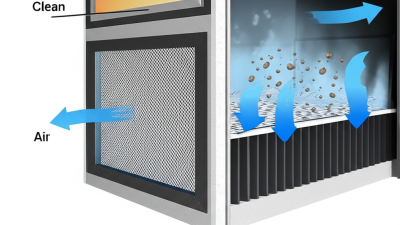
High-quality polyester pre filter media offers several key features that enhance air filtration efficiency. These media are known for their excellent dust-holding capacity. They can trap fine particles effectively, ensuring cleaner air is circulated. Additionally, polyester is resistant to moisture, preventing mold growth and maintaining performance over time.
The benefits of using polyester media extend beyond basic filtration. They provide long-lasting durability, reducing the need for frequent replacements. This not only saves money but also minimizes waste. Moreover, polyester Pre Filter Air systems can operate efficiently in diverse environments. However, it’s essential to select the right thickness and density. Choosing incorrectly can lead to airflow resistance or inadequate filtration.
Despite their advantages, there are areas for improvement in polyester media technology. Some products may wear out faster than expected. Users should regularly inspect and replace filters to maintain optimal air quality. Overall, the right polyester pre filter media can significantly impact air purity. But conscious selection is crucial for maximizing efficiency and effectiveness.
Comparative Analysis of Polyester Pre Filter Media Suppliers
The market for polyester pre filter media in China is rapidly evolving. Numerous suppliers are vying for dominance, but how does one effectively evaluate their offerings? A comparative analysis reveals several key indicators of quality and performance. According to a recent industry report, up to 75% of filter performance depends on the filtration media used. This statistic highlights the importance of selecting the right supplier.
When examining polyester pre filter media suppliers, it becomes essential to assess their raw materials. The quality of polyester fibers significantly impacts filtration efficiency. Suppliers using high-grade, durable fibers often report lower pressures and higher dirt-holding capacities, improving filter lifespan. Furthermore, technical certifications, such as ISO 16890, can indicate a supplier's commitment to industry standards. However, many suppliers still struggle to meet these benchmarks consistently.
Another critical aspect is the suppliers’ ability to adapt to changing market demands. Flexibility in production can determine responsiveness to specific client needs. Yet, not all suppliers demonstrate this agility. Some may fall short in customization options or fail to innovate. Industry stakeholders must scrutinize suppliers for their track record in handling diverse client requirements. Making informed choices is vital in a landscape where quality can vary significantly.
Customer Reviews and Ratings of Polyester Pre Filters
When it comes to choosing the best polyester pre-filter media in China, customer reviews play a critical role. Many users appreciate the durability of these filters. They often highlight how their efficiency improves air quality. A common comment is that polyester pre-filters effectively capture larger particles. This is essential for those seeking to enhance their existing Pre Filter Hepa setups.
However, not all reviews are positive. Some customers express concerns about the initial smell of new filters. Others mention that the filters can be challenging to install. It's also noted that while some products excel in particle removal, they may need frequent replacement. It's important for users to weigh these factors carefully. Understanding customer feedback helps in making informed decisions when selecting a product. Even the top-rated options have their drawbacks. Always consider the balance between performance and ease of use.
Innovative Technologies in Polyester Filter Media Production
In recent years, the production of polyester pre-filter media in China has advanced significantly. Innovative technologies have emerged, improving both efficiency and performance. The integration of advanced manufacturing processes has led to the creation of more effective filtration solutions. For example, developments in melt-blown and spunbond technologies enhance the filtration efficiency of polyester materials.
New techniques are also making the production process more sustainable. Eco-friendly materials are being used, addressing environmental concerns associated with conventional methods. This shift is crucial, as the demand for sustainable filtration solutions grows. However, there is still room for improvement. Some manufacturers struggle with quality consistency, leading to potential weaknesses in product reliability. Ensuring uniformity in production remains a challenge for many leaders in the industry.
Moreover, research and development are essential for continued innovation. As the market evolves, staying ahead requires investment in new technologies. Collaboration between manufacturers and academic institutions can spark new ideas, yet this is often overlooked. Companies need to cultivate a mindset geared towards embracing change and adaptability. By sharing insights and findings, the industry can drive collective growth and improve overall standards in polyester filter media production.
Future Trends in Polyester Pre Filter Media Manufacturing in China
The market for polyester pre-filter media in China is evolving rapidly. As the demand for air and water filtration increases, manufacturers are adopting new technologies. This shift is driven by a need for higher efficiency and better environmental performance. Industry reports suggest that the polyester pre-filter media market could see a growth rate of over 5% annually in the next several years.
In the future, incorporating nanotechnology into polyester materials could enhance their filtration capabilities. Studies indicate that nanoparticles can improve the capture of fine particulate matter. However, the integration of such technologies presents challenges. Manufacturers must balance performance with production costs. This may lead to increased prices for end-users.
Tips: Consider selecting filters with recommended certifications. They often ensure better performance and reliability. Regular testing of filter efficiency is also crucial to maximize lifespan and maintain clean air quality. Another key takeaway is to stay informed about advancements in filter materials. Emerging technologies can significantly impact filtration performance.
Understanding Efficiency and Standards: Insights from Recent Reports on G3 G4 Laminated Air Filter Media for Optimal Air Quality
Recent reports have highlighted the critical importance of using G3 and G4 laminated air filter media to achieve optimal air quality, particularly in environments where air pollution levels are a concern. These specialized filter media are designed to provide superior filtration performance, effectively capturing particulate matter and contaminants from the air. With rising pollution rates and increased awareness of air quality's impact on health, the adoption of high-efficiency air filters is becoming essential in both residential and commercial settings.
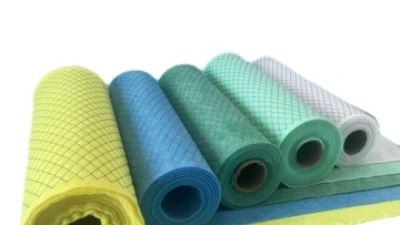
Engineered using robust synthetic fibers combined with a mesh layer, these laminated air filter media rolls ensure enhanced rigidity and structural integrity. Their design is tailored for use in HVAC systems, offering reliable air purification in various applications. According to industry data, the use of advanced filtration solutions can significantly reduce airborne pollutants by up to 90%, thereby promoting healthier indoor environments. This is particularly crucial as studies indicate that poor air quality can lead to a range of health issues, making the choice of efficient air filter media a priority for many facilities.
Manufactured with meticulous standards in state-of-the-art factories, this air filter media not only meets but also exceeds current efficiency benchmarks. By choosing high-quality air filter solutions, users ensure a dependable barrier against harmful contaminants, paving the way for a cleaner and safer atmosphere. As ongoing research reveals the long-term benefits of maintaining high air quality standards, the investment in G3 and G4 laminated filter media becomes a crucial step toward safeguarding public health and well-being.
FAQS
: High-quality polyester media effectively trap fine particles, ensuring cleaner air. They have excellent dust-holding capacity.
Polyester media resist moisture, preventing mold growth. This resistance prolongs their lifespan and maintains effectiveness.
These media are durable, reducing replacement frequency. This saves money and minimizes waste, promoting sustainability.
Correct thickness and density are crucial. Improper choices can lead to airflow issues or less effective filtration.
Regular inspection and timely replacement of polyester filters are essential. This practice ensures continued efficiency.
Assess suppliers based on raw materials. Quality fibers enhance filtration performance and affect filter lifespan.
Look for certifications like ISO 16890. These indicate a supplier's adherence to industry standards and quality assurance.
Suppliers should be flexible to meet changing market demands. Some may lack innovation and fail to customize appropriately.
Yes, some polyester products may wear out faster than expected. Users should remain vigilant about their filter conditions.
About 75% of filter performance relates to the filtration media used. This reveals the importance of quality selection.
Conclusion
The article "Who Makes The Best Polyester Pre Filter Media In China Today?" provides a comprehensive overview of the polyester pre filter media market in China, highlighting the current trends, leading manufacturers, and key features that distinguish high-quality products. It examines the top suppliers in the industry, offering a comparative analysis to assist potential buyers in making informed decisions.
Additionally, the article explores customer reviews and ratings, which give insight into user satisfaction and product performance. Emphasis is placed on innovative technologies shaping the production processes and anticipated future trends that may influence the market. Through this exploration, the article seeks to answer the pressing question of who truly makes the best polyester pre filter media in China, guiding readers towards optimal choices in a competitive landscape.