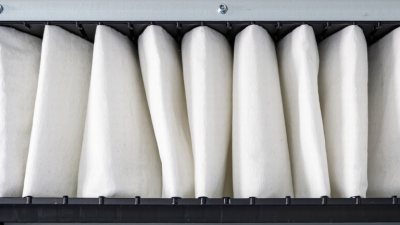
You’ve probably seen a Pocket Filter before—or maybe you’ve heard it called a bag filter. Basically, it’s an HVAC air filter with a bunch of flexible pockets, and when air passes through, they puff right out. Those cloth-like pockets give you way more surface area than a flat panel, which is the whole point. If you look inside a commercial air-handling unit, you’ll usually find them sitting in a metal frame, each one hanging there like a little sleeve. So these things trap airborne particles, but air still flows through the system just fine. How well they actually work, though? That really depends on the filter’s design, what efficiency level you go with, and how the whole system is set up and run.
Okay, so what exactly is a pocket filter—or bag filter, as some people call it—and how does it actually work? There’s an HVAC filtration researcher named William P. Bahnfleth, and his work kind of points to one practical takeaway: when you’re choosing a filter, think about particle capture and airflow together. That’s my paraphrase, not a direct quote, by the way. And it matters because a filter that’s great at trapping particles might also make it harder for air to flow through. So honestly, don’t just pick one because it looks good—check the manufacturer’s test data and see what your air handler actually needs.
You know, it’s often the little things that trip you up. A pocket filter with a torn pocket, one that isn’t seated quite right, or one that’s caked with dust—any of these can throw off performance, even if it looks okay at first glance. That’s why regular check-ins matter. But here’s the thing: there’s no universal timeline for swapping filters. It depends on your building—dust load, how long the system runs, all that. So to make things easier, we put together this guide looking at five pocket filters, based on what they’re meant for, the performance data available, and what you should actually consider when choosing. But honestly, it kind of makes you wonder—are we actually picking the filter that fits the system, or are we just going with the one with the flashiest rating?
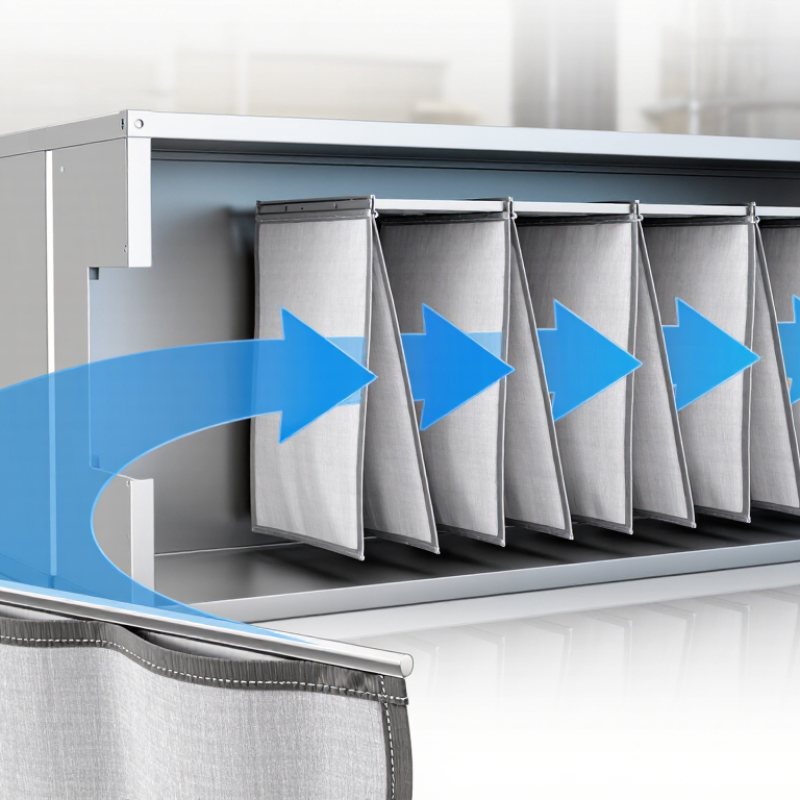
Pocket filters are air filters made from several sewn or formed media pockets held in a rigid frame. As air passes through the pockets, particles collect in the filter material. The pockets create a large filtering surface without requiring a flat filter to occupy the same depth. They are commonly used in ventilation systems where steady airflow and dust control matter.
You’ll find them in office buildings, schools, hotels, hospitals, and some industrial spaces. In a hospital, they may help protect downstream equipment and support a layered air-cleaning system; they are not, by themselves, a guarantee of sterile air. In factories, the right filter depends on the dust type, airflow, and process. A pocket filter may also serve as a final filter after a coarser stage.
They are not magic. Filter performance depends on the media, pocket design, seal, and correct fit in the housing. A poorly seated frame can let air bypass the material, even when the filter looks clean. Maintenance teams usually track pressure drop and replace filters according to system requirements, not appearance alone. Still, sizing can be fiddly. Too little clearance may cause pockets to press together, reducing usable surface area and changing airflow.
Pocket filters are air filters made with several fabric pockets. Their pleated, pocket-shaped media provides a large surface area for capturing airborne particles. They are commonly installed in commercial HVAC systems and air-handling units. The chart shows particle-size cutoffs—not pocket-filter efficiency; actual performance depends on the filter’s rating and operating conditions.
PM10, PM2.5, and PM1 refer to particulate matter with aerodynamic diameters up to 10, 2.5, and 1 micrometre, respectively.
A pocket filter is built from several parts that work together to capture airborne particles. Its outer frame holds the filter pack in place and provides a firm edge for installation. Frames may be made from metal, plastic, or treated board, depending on the unit and operating conditions. A bent frame can leave gaps, even when the filter media itself is intact.
The media is the working surface. It is folded into deep pockets, increasing the area available for airflow and particle capture. Synthetic fibers or glass fibers are common choices, but the material and efficiency rating vary by application. Seams and pocket stitching keep the folds open and help prevent them from collapsing under airflow. Some designs use internal spacers for added support. Small details matter.
At the filter’s perimeter, a gasket or sealing edge helps limit air bypass. The header connects the pocket pack to the frame and supports a close fit in the housing. During inspection, look for torn media, loose seams, damp spots, and uneven pocket shapes. A pressure gauge can also show when resistance has increased, though its reading should be compared with the system’s normal range. I have seen filters replaced too early because appearance alone seemed convincing. A clean-looking face does not always mean low resistance, and a dusty one is not automatically spent.
A pocket filter captures airborne particles as air passes through layers of fibrous material. Its deep, sewn pockets provide more filtering surface than a flat panel of similar size. This extra area can help move a useful volume of air while keeping resistance manageable. Not magic. Fibers trap particles through interception, impaction, and diffusion; the dominant mechanism depends on particle size and airflow. Dust does not stop neatly at the first layer. Some particles travel deeper before sticking to a fiber.
A Pocket Air Filter works best when air passes through the media rather than around it. A poorly fitted frame can let dusty air bypass the pockets, even when the filter looks clean. As particles accumulate, airflow resistance usually rises, so a pressure reading or scheduled inspection is more useful than appearance alone. Look for sagging pockets, damaged seams, or uneven dust buildup. These clues matter. Filter performance also depends on the system’s airflow and the particles present, so one filter type will not suit every installation. I would be cautious about judging performance from pocket depth alone; the media and fit matter too.
When comparing pocket filters, start with the air system they must serve. Check the required particle efficiency and the filter’s pressure drop at the system’s actual airflow. A high-efficiency option may capture finer particles, but it can also restrict airflow if the system is not designed for it. Fit matters. Confirm the frame dimensions, pocket depth, and seal against the housing. Small gaps can let unfiltered air bypass the media.
Next, compare dust-holding capacity and expected service life. A filter that holds more dust may need fewer changes, but performance depends on the type and concentration of particles in the air. Review the media material and any stated limits for humidity or temperature. In damp conditions, unsuitable media may lose strength or collect moisture. A Filter Bag may describe a different filter component, so check the product specifications rather than relying on the name alone.
Replacement access is easy to overlook. Measure the clearance needed to remove a loaded filter, especially in a crowded ceiling or mechanical room. Compare disposal needs, too. Those practical details can matter more than a small difference in purchase price. Ratings are useful, but real ductwork is rarely perfect; installation and maintenance can change results.
Pocket filters suit air-handling systems that need substantial media area in a compact frame. A Filter Pocket contains multiple fabric-like bags, which expand under airflow and collect particles across their surfaces. ANSI/ASHRAE Standard 52.2 rates filter efficiency by particle size. Under its MERV 13 criteria, filters must achieve at least 50% efficiency for 0.3–1.0 micrometre particles, 85% for 1.0–3.0 micrometre particles, and 90% for 3.0–10 micrometre particles. These are test thresholds, not a promise of identical results in every building.
Five options cover different needs. MERV 8 pocket filters suit basic dust control in lower-demand systems. MERV 11 offers stronger fine-particle capture where airflow allows. MERV 13 targets finer particles, but check fan capacity and pressure drop. Deep-pocket designs provide more media area for sites with heavier dust loads. Synthetic-media pockets can be considered where moisture exposure is a concern; confirm the maker’s test data before specifying one.
Fit matters. A small gap around the frame lets air bypass the media, weakening filtration even when the rating looks good on paper. Check dimensions, initial pressure drop, and replacement intervals against the equipment manual. The trade-off is easy to miss: denser media may capture more, yet can restrict airflow if the system was not designed for it. I’d verify performance after installation, rather than assume the label tells the whole story.
Choosing a pocket filter starts with the system, not the catalogue.
Check the frame dimensions, airflow, target particle size, and the equipment’s permitted pressure drop. A filter that fits loosely can let dusty air bypass its pockets. That defeats the point. Match the filter’s efficiency to the actual need, since tighter filtration may increase resistance and energy use. If an Air Filter Bag is being considered, confirm that its design suits the housing; the terms are not always interchangeable.
Maintenance is mostly careful observation.
Check the pressure gauge or monitoring system and compare readings with the filter’s normal operating range. A rising pressure drop can signal loading, but a sudden change may also point to damage or poor installation. Inspect the frame and seals during service. Look for torn media, collapsed pockets, and dust tracks around the edges. Small details matter.
Replace filters according to measured condition and the manufacturer’s instructions, not just a calendar date.
Don’t shake or vacuum a disposable filter; that can release collected dust or damage the media. Keep a record of installation dates and readings. It sounds basic, perhaps too basic, but those notes can reveal recurring problems. Even good procedures need review when airflow or dust levels change.
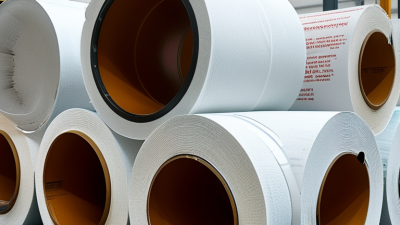
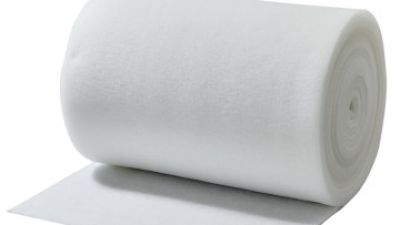
G3 and G4 HVAC air filter media provide an important first stage of protection in heating, ventilation, and air conditioning systems. Their main role is to capture larger airborne particles, such as dust, pollen, and pet dander, before these contaminants travel further through the system. Choosing suitable media can help maintain cleaner indoor air while supporting the reliable operation of HVAC equipment.
As a practical choice for pre-filtration, G3 and G4 media help reduce the particle load reaching finer, more delicate filters downstream. This can help protect those components from premature clogging and support more consistent airflow. When selecting filter media, consider the system’s airflow requirements, operating conditions, and maintenance schedule. A dependable supply of well-made media also matters: quality and performance should be consistent so filters can do their job effectively in homes, workplaces, and other indoor environments.
It uses fabric-like pockets that expand with airflow and collect particles across a large media area.
MERV 8 suits basic dust control. MERV 11 captures more fine particles, while MERV 13 targets finer particles when airflow allows.
Test thresholds include at least 50% efficiency for particles sized 0.3–1.0 micrometres. Building results can differ.
Check the frame dimensions, airflow, target particle size, and equipment’s permitted pressure drop before selecting one.
Gaps around the frame can let dusty air bypass the media. Fit matters.
Yes. It may capture more particles but also increase resistance and energy use if the system cannot handle it.
Check pressure readings and filter condition, then follow the equipment and filter instructions. Calendar dates alone may miss changing conditions.
Look for torn media, collapsed pockets, damaged seals, or dust tracks. Don’t shake or vacuum a disposable filter.
Note installation dates and pressure readings. Keep notes; they can reveal recurring loading or fit problems.
This guide explains What Is A Pocket Filter (Bag Filter) And How Does It Work? It introduces pocket filters as air-cleaning devices commonly used in ventilation and HVAC systems, then describes their main components, including the frame, filter media, and attached pockets. As air passes through the media, airborne particles are trapped by a combination of mechanisms, while cleaner air continues through the system. The article also outlines how pocket design and filtration performance affect the filter’s capacity and airflow.
Readers will learn how to compare pocket filters by considering efficiency, pressure drop, dust-holding capacity, dimensions, and operating conditions. Five general types are presented for consideration, with guidance on matching a filter to the needs of a space or system. The final section covers practical selection and maintenance: check compatibility, inspect filters regularly, replace them when performance declines, and follow the system’s care recommendations to support reliable airflow and effective particle removal.